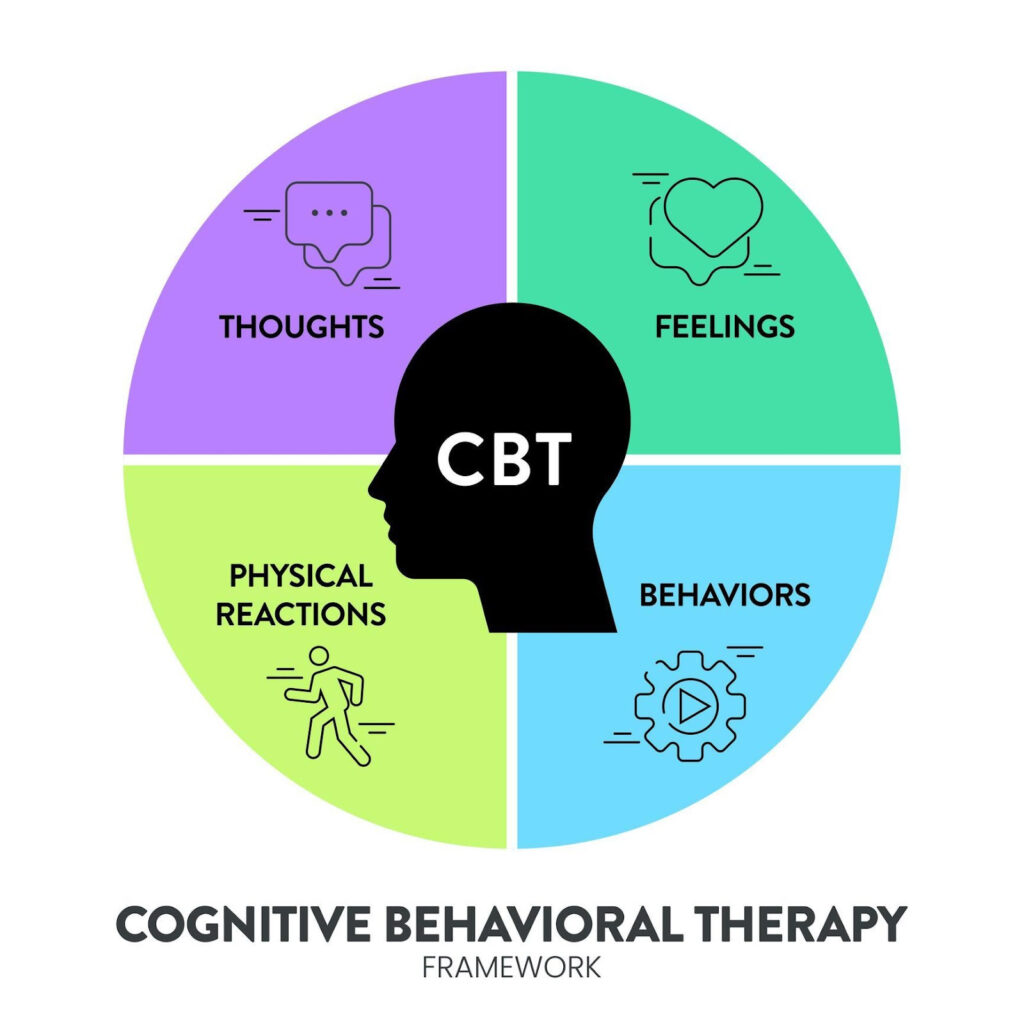
Feeling overwhelmed by anxiety or stress can really affect your daily life and overall well-being. You might find yourself stuck in a cycle of constant worry, physical tension, and even panic attacks. These feelings can lead to unhelpful thought patterns that make it hard to handle tough situations. The good news is that effective, research-backed treatments are available to help you regain control. One of the most powerful methods is cognitive behavioural therapy (CBT), often offered through services like Calgary anxiety therapy. It gives you the tools to manage stress and anxiety. CBT provides practical coping strategies and problem-solving techniques, enabling you to approach challenging situations with greater confidence and resilience
A Quick Dive into the History of Cognitive Behavioural Therapy
Cognitive Behavioural Therapy, or CBT, has an interesting backstory that combines ideas from cognitive psychology and behaviourism. It was developed by pioneers such as Aaron Beck and Albert Ellis, who sought to create a practical, evidence-based approach to treating various issues. CBT is a structured, evidence-supported psychological treatment that helps people understand how their thoughts, feelings, and actions are connected. It’s especially effective for addressing mental health challenges, such as anxiety disorders, obsessive-compulsive disorder, and chronic pain.
The Fundamental Idea Behind CBT Therapy
At its core, CBT works on the idea that our thoughts influence our emotions and behaviours. By changing negative thought patterns, individuals can change their feelings and responses, leading to healthier habits. CBT highlights the link between thoughts, emotions, and actions, with the goal of evolving unhelpful thinking that can cause distress. When clients work with a trained mental health professional through CBT therapy in Calgary, they learn to identify negative thoughts and develop more positive viewpoints. This approach not only helps manage immediate symptoms but also promotes long-term emotional well-being.
Why Cognitive Behavioural Therapy is an Effective Treatment for Anxiety and Stress
Cognitive Behavioural Therapy (CBT) is a strong, research-supported method that helps people take control of their emotional well-being, especially regarding anxiety and stress. This approach provides individuals with practical tools to manage stress, reduce physical tension, and address symptoms related to various mental health issues, including anxiety disorders, panic disorders, and social anxiety. By learning to identify and challenge negative thoughts, individuals can develop healthier thinking patterns and more effective responses to stressful situations. This type of therapy offers many benefits for anyone dealing with anxiety and stress.
- Evidence-Based Approach: CBT is based on extensive research and randomized controlled trials, which makes it a reliable option for addressing anxiety and stress.
- Skills for Life: The coping strategies and techniques learned during therapy can be applied long after the sessions end, providing lasting benefits and a valuable toolkit for managing life’s challenges.
- Customized Treatment: CBT is tailored to each person, with mental health professionals working with clients to address their unique needs and emotional challenges.
- Focus on Practical Solutions: This type of talk therapy provides clear problem-solving techniques and actionable strategies, empowering individuals to make real changes in their lives.
By using cognitive restructuring and behavioural techniques, such as exposure therapy, individuals can break the cycle of unhelpful thoughts and actions.
Core Concepts of Cognitive Behavioural Therapy

At the core of cognitive behavioural therapy (CBT) is the idea that how we interpret events significantly influences our emotional experiences. This type of psychological therapy revolves around several essential principles that therapists practicing CBT in Calgary utilize:
- Identifying Negative Thoughts: This involves recognizing those automatic, often subconscious negative thoughts that can lead to unpleasant emotions.
- Challenging and Restructuring Thoughts: Here, individuals learn to assess the evidence for and against their thoughts, ultimately replacing them with more realistic and constructive thinking patterns—a process known as cognitive restructuring.
- Behavioural Change: This principle focuses on identifying and changing unhelpful behaviours that can worsen negative feelings. It might include exposure therapy for phobias or behavioural activation for depression, often customized to fit the unique situations people face in Calgary.
- Developing Coping Skills: This involves learning and practicing new coping strategies and relaxation techniques to manage emotional challenges and physical symptoms better. Some therapists even incorporate local resources or activities into their treatment plans.
These fundamental concepts are vital to the cognitive behavioural therapy available in Calgary, offering individuals a solid framework to take charge of their emotional well-being right within their community.
How Cognitive Behavioural Therapy in Calgary Tackles Mental Health Issues
CBT therapy in Calgary is an effective way to address many mental health issues that people in our community experience. By focusing on the link between thoughts, feelings, and actions, CBT offers practical strategies to help manage specific challenges. Here are some mental health conditions where cognitive behavioural therapy has proven to be especially effective for those in Calgary:
- Anxiety Disorders: This includes generalized anxiety, panic attacks, phobias (such as the fear of driving in winter), and social anxiety disorder. Techniques like exposure therapy and cognitive restructuring help tackle fear-driven negative thoughts.
- Depression and Mood Disorders: CBT challenges negative self-talk, promotes behavioural activation (getting involved in local activities), and encourages a more balanced way of thinking.
- Obsessive-Compulsive Disorder (OCD): It uses exposure therapy with response prevention to help disrupt the cycle of obsessions and compulsions.
- Post-Traumatic Stress Disorder (PTSD): Trauma-focused CBT techniques help process traumatic memories and reduce the anxiety and distress often linked to them, especially regarding events that are common in Alberta.
- Eating Disorders: CBT addresses distorted views about body image and food. It also promotes healthier eating habits, considering the local food culture.
- Chronic Pain and Chronic Fatigue Syndrome: This therapy supports individuals in managing pain and fatigue by changing negative thought patterns and developing effective stress management and pacing strategies, utilizing local resources in Calgary.
The flexibility of cognitive behavioural therapy makes it an important tool for mental health professionals in Calgary as they assist individuals facing a range of mental health challenges in our community.
Effective CBT Techniques for Managing Stress and Anxiety
CBT therapy in Calgary offers practical strategies to help people manage stress and anxiety related to life in our vibrant city. These techniques are often practiced during therapy sessions and assigned as “homework” to reinforce learning and encourage lasting change:
- Thought Records: This involves keeping a log of specific situations, such as the stress of commuting in Calgary traffic, your automatic thoughts, the feelings that arise, and more balanced responses. It’s a great way to identify unhelpful thinking patterns.
- Behavioural Experiments: Here, you test negative thoughts by deliberately putting yourself in situations you fear, such as going to a social event, and then observing what actually happens.
- Activity Scheduling: This focuses on planning and engaging in activities that bring you joy or a sense of achievement, such as visiting a local park, to combat avoidance and improve your mood.
- Relaxation Techniques: You will learn and practice methods such as deep breathing, progressive muscle relaxation, and mindfulness-based stress reduction to relieve physical tension that often arises from the hustle and bustle of Calgary life.
- Exposure Therapy: This technique involves gradually facing feared situations or objects in a safe and controlled way to reduce avoidance and anxiety. This can include scenarios relevant to living in Alberta.
- Problem-Solving Therapy: This approach helps you break down problems step-by-step, brainstorm solutions, weigh options, and implement effective strategies for the challenges you encounter in Calgary.
These CBT techniques provide individuals with practical tools to manage stress, lessen anxiety symptoms, and promote better emotional health in their everyday lives.
Benefits of Engaging in CBT Therapy
Cognitive behavioural therapy (CBT) is an effective method for dealing with anxiety and stress. It offers structured, evidence-based ways to manage these issues and improve emotional well-being. Through techniques such as cognitive restructuring and exposure therapy, clients can learn to confront negative thoughts and develop effective coping strategies. They also gain insight into the important connection between their thoughts, feelings, and behaviours.
Evidence-Based Approach: Supported by numerous clinical trials, CBT is a reliable method for treating anxiety disorders, including obsessive-compulsive disorder, panic disorder, and social anxiety disorder.
Short-Term Treatment: Unlike other therapies, CBT usually includes only 5 to 20 sessions. This makes it a good choice for those seeking quick relief.
Skills for Life: The coping strategies you learn in CBT extend beyond therapy. They help you manage stress more effectively in your everyday life.
Customized Treatment: Each CBT program is tailored to meet the unique needs of the client, focusing on their specific emotional challenges and situations.
CBT therapy in Calgary provides clients with the essential tools to enhance their emotional well-being and navigate life’s challenges more effectively.
Find a Mental Health Professional in Calgary Today
Cognitive behavioural therapy (CBT) is a great way to deal with anxiety and stress. It provides clear, evidence-based methods to help you manage stress and enhance your emotional well-being. Techniques such as cognitive restructuring and exposure therapy allow clients to challenge negative thoughts and develop effective coping skills. By understanding the link between thoughts, feelings, and behaviours, you can gain better control over your mental well-being. If you want to build practical skills for managing stress, consider reaching out to a mental health professional in Calgary for support and guidance on your healing journey.