Over the past decade, the concept of wellness has evolved far beyond fitness routines and nutrition plans. Increasingly, people are beginning to view health as something that requires continuous awareness and proactive care rather than reactive treatment. Preventive health practices, from regular exercise to mental health monitoring, have become central to how individuals approach their overall well-being.
Skin health is now becoming part of that broader preventive conversation.
As the body’s largest organ, the skin provides essential protective, immune, and sensory functions. Yet despite its importance, many people still treat skin care primarily as a cosmetic concern rather than a health priority. Dermatologists have long emphasized that early monitoring of skin changes plays a critical role in detecting potential issues before they become more serious. Today, new technologies are helping make that monitoring easier and more accessible than ever before.
Artificial intelligence, in particular, is beginning to reshape how individuals engage with their skin health.
Why Early Skin Awareness Matters
Skin conditions can develop gradually, often appearing as subtle changes in color, texture, or shape that may go unnoticed in daily life. Small irregularities may seem insignificant at first, which is why early observation is so important.
Many dermatological concerns, including acne-related inflammation, pigmentation disorders, and certain types of skin cancer, benefit from early evaluation. Detecting changes early allows individuals to seek professional medical advice sooner and potentially reduce the severity of future complications.
Research from the American Academy of Dermatology (AAD) highlights the importance of regular skin monitoring and self-checks as part of preventive health habits. According to dermatology experts, becoming familiar with one’s skin patterns makes it easier to notice when something changes.
However, traditional skin monitoring relies heavily on memory, occasional mirror checks, or sporadic dermatology visits. In reality, many people simply do not examine their skin regularly enough to detect subtle developments.
Technology is beginning to change that dynamic.
The Intersection of AI and Personal Health
Artificial intelligence has already begun transforming many aspects of healthcare, from radiology diagnostics to predictive analytics in hospital systems. In recent years, similar innovations have begun reaching consumer health applications.
AI-powered health tools analyze visual patterns, large datasets, and historical trends to identify potential abnormalities or risk indicators. In dermatology, this capability is particularly valuable because many skin conditions present visual patterns that can be analyzed through image recognition systems.
Modern machine learning models can evaluate factors such as:
- Pigmentation variation
- Border irregularities
- Texture patterns
- Symmetry and shape
- Color distribution
By comparing these visual indicators with large dermatological datasets, AI systems can help identify patterns that may warrant further medical attention.
Importantly, these technologies are not designed to replace medical professionals. Instead, they function as early awareness tools that help users decide when it may be appropriate to consult a dermatologist.
Making Skin Monitoring More Accessible
One of the biggest challenges in preventive dermatology has always been accessibility. Dermatology appointments may be limited in availability, and many individuals delay scheduling visits until a concern becomes obvious.
Digital health tools are helping bridge that gap by allowing individuals to conduct preliminary screenings from home. With smartphone cameras now capable of capturing high-resolution images, users can document and track changes in their skin over time.
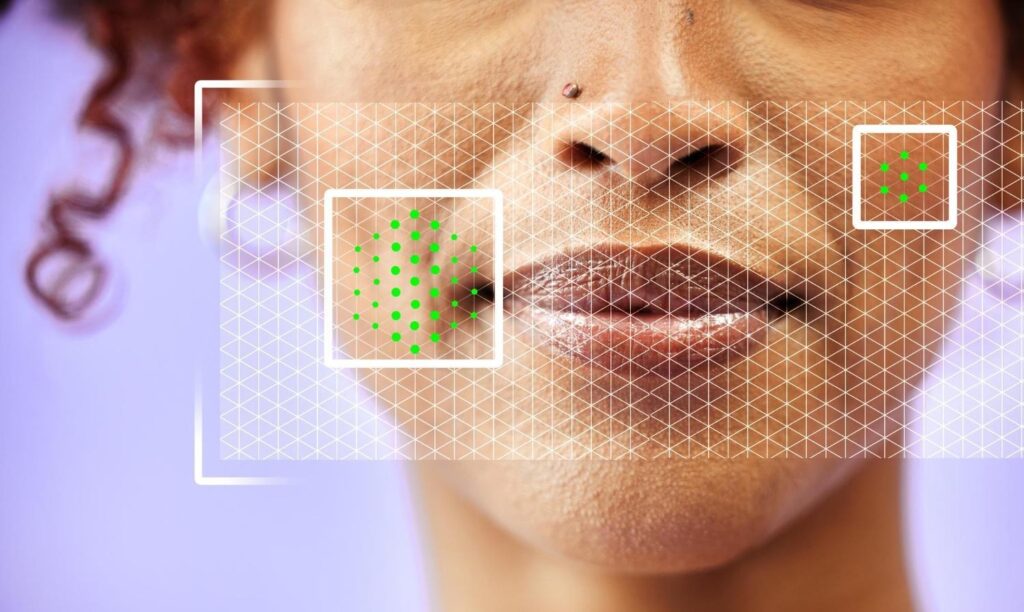
Some modern platforms combine smartphone imaging capabilities with artificial intelligence to provide structured assessments of visible skin features. Instead of relying only on occasional self-checks, individuals can now upload images and receive preliminary evaluations powered by machine learning. Platforms like ScanSkinAI analyze skin photos using AI models trained on dermatological image datasets and can flag patterns associated with dozens of common skin conditions, with the option of follow-up review by dermatology professionals. Used responsibly, tools like these can help people monitor changes in their skin more consistently and seek medical advice when something unusual appears.
Encouraging a Preventive Mindset
Perhaps the most valuable aspect of AI-powered screening tools is their ability to promote a preventive health mindset.
Historically, people have often waited until symptoms become severe before seeking medical advice. Preventive healthcare shifts that mindset toward earlier awareness and proactive monitoring. This approach has already proven effective in areas such as cardiovascular health, diabetes management, and cancer screening.
Skin health is increasingly following the same trajectory.
When individuals regularly observe and document changes in their skin, they are more likely to notice developments earlier. Early awareness can lead to earlier conversations with healthcare providers, which ultimately supports better outcomes.
Technology can play a supportive role in reinforcing this habit.
Responsible Use of Digital Skin Tools
Despite their promise, digital skin health tools should always be viewed as complementary resources rather than definitive diagnostic systems. AI models can identify patterns and risk indicators, but medical professionals remain essential for clinical evaluation and treatment decisions.
Dermatologists emphasize that individuals should consult a qualified healthcare provider whenever they notice concerning skin changes such as:
- Rapid growth of a mole or lesion
- Irregular borders or uneven coloring
- Persistent itching, bleeding, or irritation
- Spots that change noticeably over time
AI tools can help flag potential concerns, but professional medical assessment is necessary for accurate diagnosis.
Responsible use involves combining digital awareness tools with regular medical guidance.
The Broader Future of AI in Wellness
The integration of artificial intelligence into personal wellness technology is still in its early stages. However, the potential applications are expanding rapidly.
In the coming years, AI-driven health platforms may incorporate additional capabilities such as:
- Long-term skin change tracking
- Personalized risk assessments
- Integration with wearable health devices
- Data-driven skincare recommendations
As these technologies evolve, they could become part of a larger ecosystem of digital wellness tools designed to help individuals monitor different aspects of their health.
This shift reflects a broader transformation in healthcare, from episodic treatment to continuous awareness.
A New Era of Skin Health Awareness
Preventive health is no longer limited to annual checkups or occasional medical screenings. With the rise of digital tools, individuals are gaining new ways to stay informed about their health on a daily basis.
Skin health is an important part of that journey.
By combining regular self-observation, professional dermatological care, and emerging technologies, people can take a more active role in monitoring their skin and recognizing changes early.
Artificial intelligence will not replace the expertise of dermatologists, but it can serve as a valuable assistant in promoting awareness and encouraging timely medical consultation.
As digital health tools continue to evolve, they may help shift skin care from a reactive practice to a proactive component of everyday wellness, empowering individuals to pay closer attention to the signals their skin provides and respond with informed care.