
Aesthetic medicine has changed a lot. Not only in the treatments people ask for, but in how those treatments are approached in the first place. Patients are no longer walking in and asking for one quick fix without much thought behind it. Most of them want something more balanced, more considered, more personal. They want to look refreshed, not altered. They want results that make sense for their face, their age, their skin, their timeline, and honestly, their comfort level too.
That shift matters.
Because better aesthetic outcomes rarely come from impulse decisions. They usually come from planning. Careful planning. The kind that starts before the syringe, before the product choice, before the procedure room is even set up. When practitioners take time to assess, map, question, and sequence treatment properly, the whole experience tends to improve. Results look more natural. Patients feel more informed. Clinics work with more clarity. There is less guessing and far less unnecessary correction later.
This is where treatment planning starts to shape everything that follows.
Why planning matters more than ever
Modern aesthetics is not a one-size-fits-all space. That much is obvious. Two patients can come in asking for the exact same thing and still need completely different approaches. One may need volume support. Another may need skin-focused care first. Someone else may need to do nothing at all that day, which is sometimes the smartest plan.
That is the real value of structured decision-making.
Instead of reacting to a single concern in isolation, providers can step back and look at the full picture. Facial proportions. Skin quality. Movement. Symmetry. That same assessment applies to someone considering Botox in Walnut Creek, particularly when facial movement is part of the concern. Age-related changes. Patient expectations. Recovery time. Budget. Long-term maintenance. All of that plays a role. Good treatment planning takes those moving parts and turns them into something usable.
For clinics that want consistency in their work, access to reliable products from Kinami can support that process by making it easier to match treatment goals with the right tools and product options.
And that connection matters more than it may seem at first. Because planning is never only theoretical. It has to work in practice.
A patient consultation is not just a formality
This part gets underestimated. A lot.
The consultation is where the treatment plan either gets built well, or starts to fall apart before anything has even happened. It is not just about asking what the patient wants and moving straight into recommendations. It is about listening for what they mean, which is often slightly different.
A patient may say they want fuller cheeks, but what they actually want is to look less tired. They may ask for lip enhancement, but the deeper issue could be perioral balance or loss of definition around the mouth. They may request one specific treatment because they saw it online, while the real need sits somewhere else entirely.
So the consultation becomes a decoding process.
A good provider reads the face, reads the concern, and reads the expectation. That takes time. It also takes restraint. Because sometimes the strongest clinical judgment shows up in what is not recommended right away.
Better outcomes usually come from sequencing, not rushing
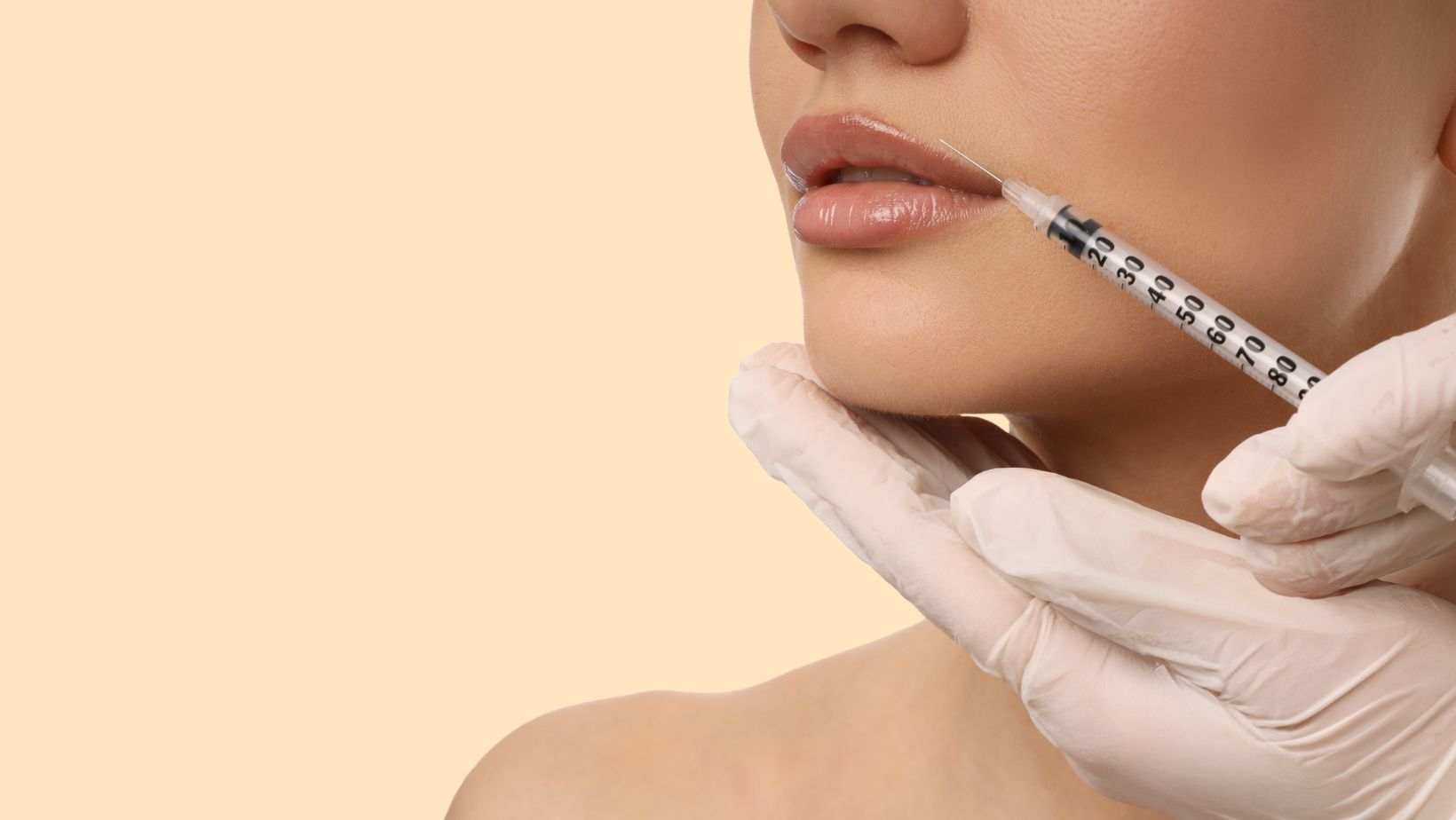
This is one of the biggest differences between surface-level treatment and thoughtful treatment planning.
Not every concern should be addressed in one sitting. Not every area should be treated first. Not every patient benefits from immediate correction in the place they point to. In many cases, the smartest path is a staged one.
A provider may decide to address structural support before refining smaller details. Skin quality may need attention before volume work makes sense. Some patients need a slow build over time rather than a dramatic session all at once. That slower route can protect facial harmony and reduce the risk of overcorrection.
And this is the paragraph that deserves the most attention: when treatment is planned in stages, the provider has room to observe how the face responds, how the tissue settles, and how the patient feels after each step. That breathing room can make the final result look more coherent and less forced. It also helps avoid the common mistake of treating isolated features instead of treating the face as a connected structure.
That is where modern aesthetics starts to feel more clinical in the best way. More measured. More deliberate. Less reaction, more reasoning.
Product choice is part of the strategy
Treatment planning is not complete until the practical side is aligned with the clinical side. A plan can sound excellent on paper and still break down if the products available do not fit the case well.
That is why product selection matters so much inside aesthetic planning. Texture, integration, treatment area, intended effect, longevity, and handling characteristics all influence what makes sense for a specific patient. Providers need options. Not endless options for the sake of it, but the right kind of range so they can work with purpose.
When clinics have dependable access to products suited for different treatment goals, planning becomes more realistic. The provider is not forced into awkward substitutions or decisions based on limited stock. They can stay closer to the original intent of the treatment plan.
That kind of consistency can affect:
- patient satisfaction
- treatment flow inside the clinic
- follow-up needs
- provider confidence during procedures
- long-term patient retention
None of those things exist in isolation. They all feed into the overall outcome.
Modern patients notice when a plan feels thoughtful
Patients may not always know the technical language behind treatment planning, but they can usually tell when a provider has a clear strategy.
They notice when the explanation makes sense. They notice when recommendations feel proportionate rather than sales-driven. They notice when the provider explains why one treatment should happen now and another later. That creates trust. Real trust, not just polished marketing language.
And trust changes behavior.
Patients who understand the plan are more likely to follow aftercare properly. More likely to return for review appointments. More likely to commit to phased treatment. More likely to stay realistic about what one session can or cannot do. That shifts the whole relationship from transaction to ongoing care.
In aesthetics, that shift is powerful.
Because outcomes are not judged only by technical placement. They are judged by how the result settles into the patient’s everyday life. Whether they feel comfortable. Whether the change fits them. Whether the treatment journey felt controlled instead of chaotic.
Planning also protects against overtreatment
This part needs more attention in the industry.
The pressure to do more can be subtle. More volume. More correction. More areas in one appointment. More dramatic visible change. But thoughtful treatment planning often works in the opposite direction. It narrows the focus. It filters what actually needs to be done. It puts limits in place when limits are the safest choice.
That does not make the treatment less valuable. Usually, it makes it better.
A well-structured plan can reduce unnecessary intervention by asking better questions first. Is this concern structural or surface-level? Is the issue volume loss or tissue descent? Is the patient asking for improvement or transformation? Are expectations grounded in reality?
Those questions slow things down in a good way. They make space for professional judgment instead of pressure-based decision-making.
Clinics benefit when planning becomes part of the culture
Treatment planning is often talked about as an individual skill, but it also works as an operational habit inside a clinic. When a team values structure, documentation, and treatment logic, the whole environment becomes easier to manage.
That includes how consultations are recorded, how product decisions are tracked, how follow-ups are scheduled, and how future treatments are built from previous results. Over time, that kind of workflow supports more reliable care and fewer avoidable errors.
It also helps newer practitioners learn faster. Not because they are copying a script, but because they are learning to think in a more complete way. They start seeing aesthetic work as a process rather than a single event.
That mindset tends to show in the quality of outcomes.
The future of aesthetics looks more planned, not less
Aesthetic medicine is moving toward more personalization, but personalization without structure can turn messy very quickly. Real customization needs a framework. It needs good assessment, product awareness, timing, sequencing, and honest communication. That is what treatment planning gives to the process.
It turns preference into strategy.
It turns a request into a responsible path forward.
And in a field where subtle differences can completely change how a result feels, that kind of planning is not extra. It is central.
Modern aesthetics works best when treatments are chosen with intention, timed with care, and built around the individual rather than the trend of the moment. The providers who understand that are usually the ones creating results that look balanced, believable, and worth repeating.