Clean air is essential for good health, yet many people overlook the quality of the air inside their own homes. Indoor air can often be more polluted than outdoor air due to dust, chemicals, and poor ventilation. The good news is that improving your home’s air quality doesn’t require expensive equipment or complicated routines, as a few mindful changes can make a big difference.
Why Indoor Air Quality is Important
Breathing clean air supports lung function, improves sleep, and reduces the risk of respiratory issues. On the other hand, poor indoor air quality can trigger allergies, headaches, and fatigue. Long-term exposure to pollutants such as mold, pet dander, and chemical fumes may even contribute to more serious health concerns.
Understanding the sources of indoor pollution is the first step toward creating a healthier living environment. Common culprits include household cleaning products, smoke, synthetic materials, and inadequate airflow.
Simple Ways to Improve Air Quality
Increasing ventilation in your home is one of the simplest ways to boost indoor air quality. Regularly opening windows allows fresh air to circulate and helps remove trapped pollutants. Even a few minutes a day can significantly reduce indoor toxin levels.
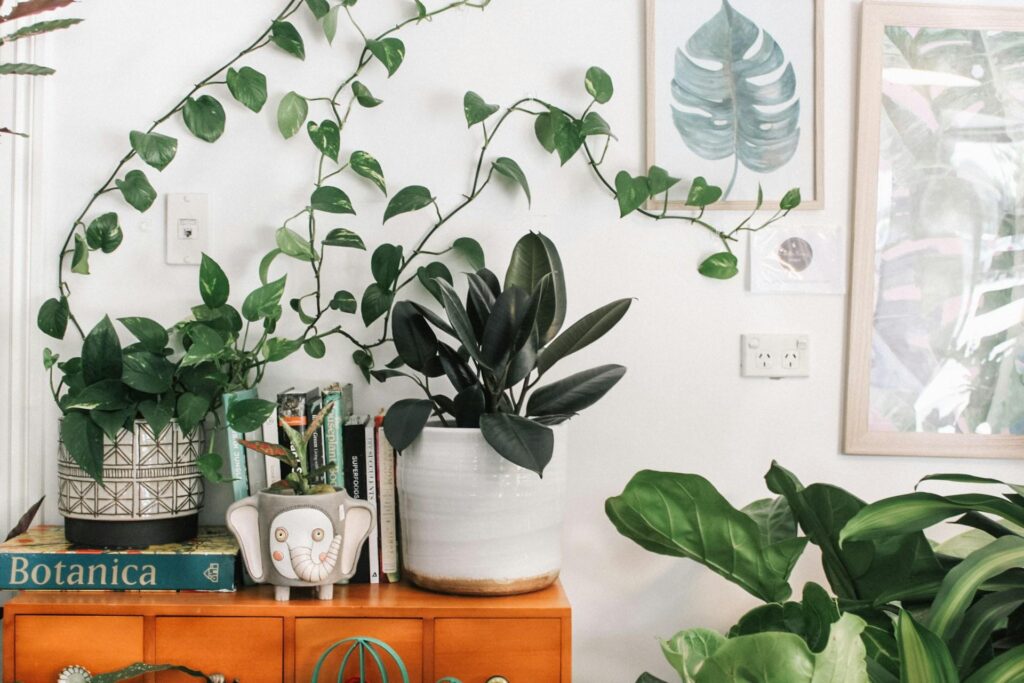
Adding houseplants is another natural and effective solution. Plants like peace lilies, spider plants, and snake plants can help filter airborne toxins while adding a calming touch to your space.
Regular cleaning is equally important. Make sure to dust and vacuum frequently to capture fine particles. Don’t forget to clean areas that are often overlooked, such as curtains, carpets, and air vents.
Reducing Hidden Air Pollutants
Some pollutants are not immediately visible but can still affect your health. For example, mold thrives in damp areas like basements and bathrooms. Using a humidifier and fixing leaks promptly can help prevent its growth.
Another hidden danger is asbestos, which may be present in older homes. Asbestos fibers, once airborne, can lead to serious long-term health risks. Raising awareness about these hazards is crucial, and organizations like Mesothelioma Hope provide valuable information and support for individuals concerned about asbestos exposure and related health conditions.
Taking steps to identify and address these hidden threats ensures a safer indoor environment for you and your family.
Creating Long-Term Healthy Habits
Improving air quality isn’t a one-time task; it requires consistent habits. Avoid smoking indoors or stop smoking altogether, limit the use of synthetic fragrances, and ensure proper maintenance of your HVAC system. Replacing air filters regularly can also greatly improve airflow and reduce contaminants.
Consider investing in an air purifier, especially if you live in an urban area or have allergies. While not always necessary, a good purifier can provide an added layer of protection against airborne particles.
Endnote
Cleaner air starts with simple, intentional choices. By improving ventilation, reducing chemical exposure, and staying aware of hidden hazards, you can create a healthier home environment without overwhelming effort. Small changes, when practiced consistently, can lead to noticeable improvements in how you feel every day. Ultimately, prioritizing indoor air quality is an investment in your long-term well-being.