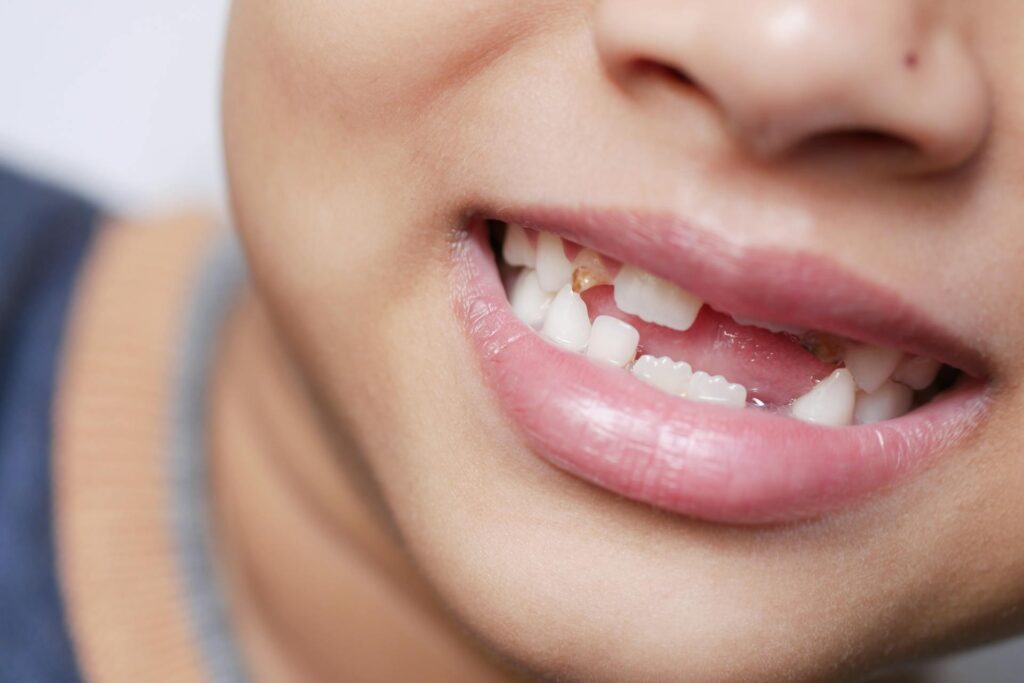
Missing teeth are often treated like a small dental issue, and many people think the main problem is how a smile looks. However, tooth loss can affect how a person eats, speaks, feels, and functions each day. These changes may seem minor at first, but they can grow over time. In this article, we’ll explore ways missing teeth can affect overall wellness.
1. Eating becomes harder, and nutrition can suffer
One of the first changes people notice after losing teeth is difficulty chewing certain foods. Crunchy vegetables, nuts, fruit, and proteins may become uncomfortable to eat. As a result, some people start choosing softer and often less balanced meals. This shift can reduce diet quality over time.
For people looking into long-term options, Estherian dental implants may come up as part of the conversation around restoring function and making everyday eating easier again. The main issue is simple: food choices often shrink when chewing feels like work.
2. Speech can start to feel less natural
Teeth help shape the way words come out. When one is missing, certain sounds may become harder to pronounce clearly. A person may start speaking more carefully or feel self-conscious in conversation.
Some begin to avoid talking too much because they do not like how their speech sounds. This can create stress in work settings, social moments, and daily interactions. A consultation with a practice like Suncoast Dental can help identify replacement options that restore natural speech. Clear speech supports confidence, and when it changes, the effect can reach beyond the mouth.
3. One gap can change the rest of the mouth
A missing tooth does not always stay a single problem. Over time, nearby teeth can begin to shift. Extra pressure may fall on the remaining teeth, and the bite can change.
The jaw in that area can also lose bone support after tooth loss. This is one reason dentists often encourage replacement, not only for appearance, but to protect how the mouth works as a whole. Delaying care can make a simple issue harder to manage later.
4. Confidence often changes before people admit it
Tooth loss can affect self-image quickly. Some people stop smiling in photos. Others cover their mouth when they laugh or speak. These habits may seem minor, but they often point to a deeper drop in confidence.
When someone feels uncomfortable about their appearance, they may pull back from social situations or become less expressive. This can affect mood, relationships, and quality of life. Wellness is not only physical. It is also tied to comfort in their own skin.
5. Daily comfort and routine can take a hit
The effect of missing teeth often shows up in small daily moments. Meals may feel less enjoyable, conversations may feel more awkward, and smiling may feel forced instead of natural. These changes can slowly wear on a person.
What seems manageable in the beginning can become frustrating over time. When comfort and confidence are affected every day, wellness can suffer too. This is why missing teeth should not be treated as only a cosmetic concern.
Endnote
Missing teeth can affect much more than appearance. They can influence nutrition, speech, confidence, bite function, and everyday comfort. These are all part of wellness. The impact may start small, but it often grows with time. Paying attention early can make a real difference.