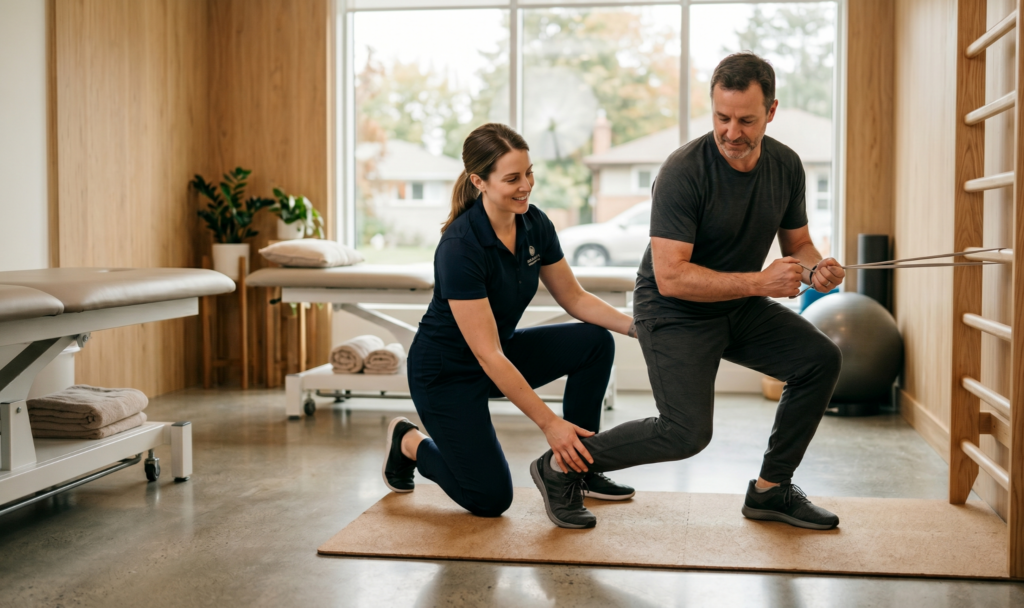
Injuries can significantly disrupt daily life, whether they result from sports activities, workplace incidents, car accidents, or simple overuse. The path to full recovery often requires more than just time. Many Canadians are now exploring holistic approaches that combine conventional medical care with natural methods to support the body’s innate healing abilities. This integrated perspective is gaining traction as people seek comprehensive solutions that address not only physical symptoms but also emotional wellbeing, mental clarity, and overall quality of life.
Recovery is a multifaceted process. It involves reducing inflammation, supporting tissue repair, restoring mobility, managing pain, rebuilding strength, and regaining confidence in the body. Canadian health statistics indicate that millions of people experience musculoskeletal injuries each year, with many seeking ways to accelerate healing while minimizing long term complications and reliance on medication alone. A balanced, evidence informed approach that includes professional guidance, targeted movement, proper nutrition, quality rest, stress management, and natural therapies frequently leads to better outcomes and greater satisfaction during the rehabilitation journey.
Many individuals recovering from injuries in the Greater Toronto Area benefit from working with a Toronto Physiotherapy Clinic that understands both traditional rehabilitation techniques and complementary natural strategies.
The Body’s Natural Healing Mechanisms
The human body possesses remarkable self healing capabilities. When injured, it immediately activates complex biological processes including inflammation, tissue repair, and neural adaptation. Supporting these natural mechanisms can enhance recovery speed and quality. Canadian research consistently shows that lifestyle factors such as nutrition, sleep, movement, and stress levels play crucial roles in how quickly and effectively the body heals.
Inflammation is the body’s first response to injury. While acute inflammation is necessary for healing, prolonged or excessive inflammation can delay recovery. Many people in Ontario are turning to natural anti-inflammatory strategies including specific foods, herbs, and lifestyle practices to help modulate this response. Omega 3 fatty acids from sources like salmon and flaxseeds, along with colourful fruits and vegetables rich in antioxidants, are commonly incorporated into recovery protocols. Turmeric, ginger, and tart cherries are also popular natural options for managing inflammation without heavy reliance on medication.
Protein intake becomes particularly important during recovery as it supplies the amino acids needed for muscle and connective tissue repair. Many Canadians focus on high quality protein sources along with nutrient dense vegetables, healthy fats, and proper hydration. Staying well hydrated supports circulation and helps transport nutrients to injured tissues while removing waste products. Some individuals also work with nutrition professionals to address potential deficiencies that might slow recovery. A well planned diet not only supports physical healing but also helps maintain energy levels and mental clarity during the rehabilitation process.
 The Role of Professional Physiotherapy in Recovery
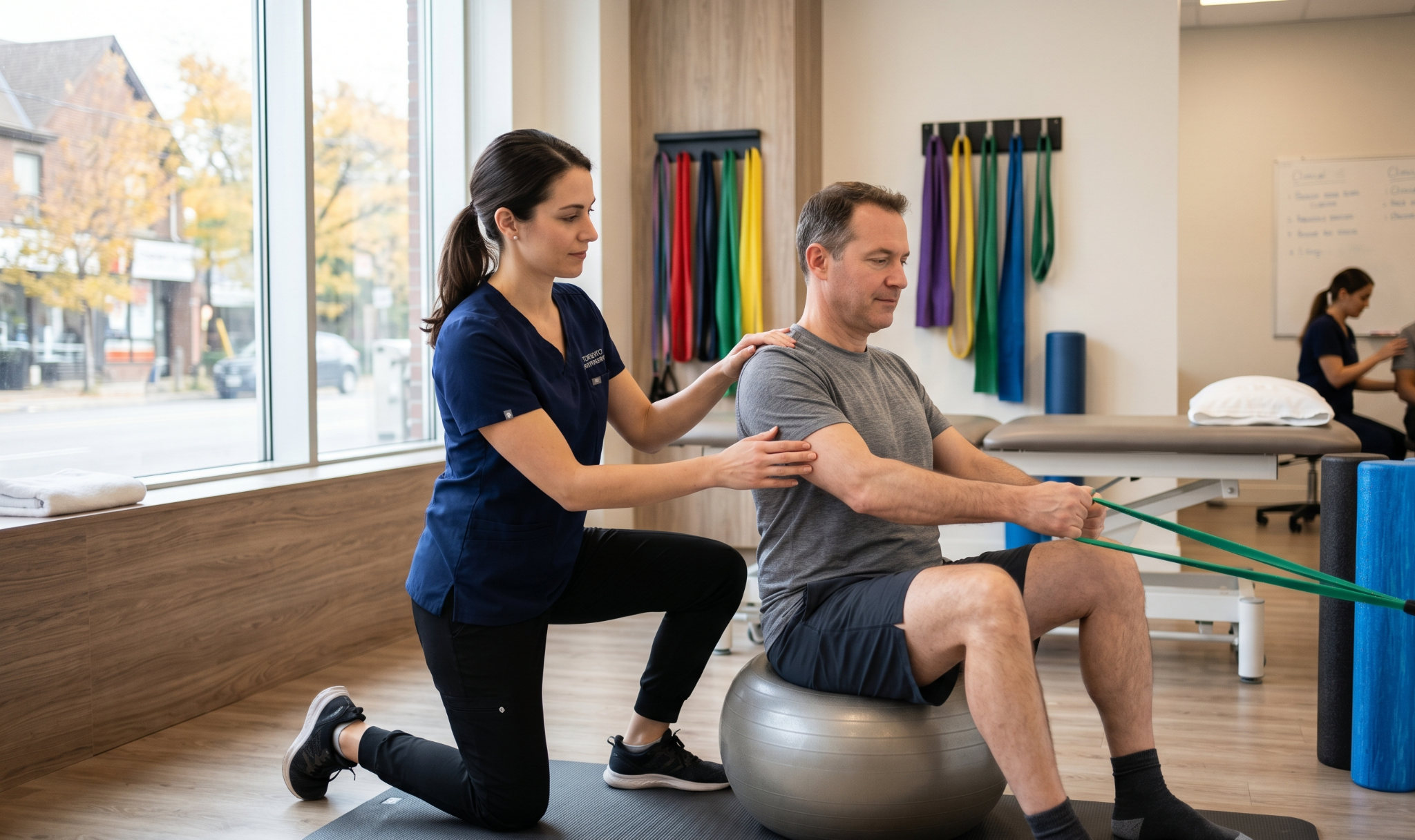
Professional physiotherapy remains a cornerstone of effective injury rehabilitation. Skilled practitioners perform thorough assessments to identify underlying issues, create personalized treatment plans, and guide patients through progressive exercises. In Toronto and the surrounding region, many clinics now offer integrative approaches that combine manual therapy, therapeutic exercise, and education on self management techniques.
Movement is medicine when applied correctly. Gentle mobility work helps maintain joint range of motion while progressive strengthening exercises rebuild stability and function. For example, someone recovering from a shoulder injury might begin with passive range of motion exercises before advancing to active strengthening and functional movements that mimic daily activities. This gradual progression helps prevent re injury while restoring confidence in the injured area.
Many patients report better results when they combine physiotherapy with consistent home care routines and natural anti-inflammatory practices. Regular sessions with a qualified physiotherapist provide accountability, proper form correction, and adjustments to the program as healing progresses. This professional guidance is particularly valuable for complex injuries or when returning to sports or demanding physical work.
Nutrition Strategies That Support Tissue Repair
Proper nutrition provides the essential building blocks for tissue repair and helps control inflammation. Protein intake is particularly important as it supplies amino acids needed for muscle and connective tissue healing. Many Canadians recovering from injuries focus on high quality protein sources along with nutrient dense vegetables, healthy fats, and hydration.
Certain foods and nutrients have shown promise in supporting recovery. Collagen rich foods, vitamin C, zinc, and magnesium are frequently highlighted for their roles in tissue repair. Turmeric with black pepper, ginger, and tart cherries are popular natural options for managing inflammation. Staying well hydrated supports circulation and helps transport nutrients to injured tissues while removing waste products.
Some individuals also explore supplements under professional guidance to address specific needs during recovery. However, whole foods should always form the foundation of any nutrition plan. A well planned diet not only supports physical healing but also helps maintain energy levels and mental clarity during the rehabilitation process. Many people notice improvements in sleep quality, mood, and overall energy when they pay attention to nutrition during recovery.
 The Critical Importance of Rest, Sleep, and Stress Management
Rest is not the opposite of activity but rather an essential component of the recovery process. Quality sleep is when much of the body’s repair and regeneration occurs. Many people underestimate how significantly poor sleep can slow healing and increase pain perception. Creating consistent sleep routines, optimizing the bedroom environment, and avoiding screens before bed can make a noticeable difference.
Stress management is equally important. Chronic stress elevates cortisol levels which can prolong inflammation and interfere with healing. Practices such as meditation, gentle yoga, deep breathing exercises, and spending time in nature are commonly recommended as part of holistic recovery programs. Canadian health professionals increasingly recognize the mind body connection in rehabilitation outcomes.
Many people in busy urban centres like Toronto find that incorporating short daily practices such as mindful walking in local parks or guided relaxation helps regulate the nervous system and improve recovery outcomes. Balancing activity with adequate rest prevents burnout and supports sustainable healing.
Integrating Multiple Modalities for Optimal Recovery
The most successful recovery stories often involve combining several complementary approaches. Someone might work with a physiotherapist for targeted exercises, follow an anti-inflammatory nutrition plan, practice stress reduction techniques, and use appropriate natural topical remedies for localized relief. This holistic perspective respects the body’s interconnected systems and treats the person as a whole rather than focusing solely on the injured area.
In major Canadian cities like Toronto, more healthcare providers are embracing integrative care models. Patients who take an active role in their recovery by combining professional guidance with healthy lifestyle choices often report faster progress, reduced complications, and greater overall satisfaction with their results.
Common Challenges During Injury Recovery
Recovery is rarely linear. Many people experience periods of frustration, setbacks, or emotional challenges along the way. Understanding that these fluctuations are normal can help maintain motivation. Setting realistic expectations, celebrating small victories, and maintaining open communication with healthcare providers are important strategies for navigating the ups and downs of rehabilitation.
Patience and consistency are key. Some days will feel better than others, and progress may sometimes seem slow. However, with the right combination of professional support, natural strategies, and personal commitment, most people can achieve meaningful recovery and return to the activities they enjoy.
Frequently Asked Questions
How long does it typically take to recover from a common injury?
Recovery timelines vary widely depending on the type and severity of the injury, age, overall health, and consistency with rehabilitation. Minor sprains may improve within a few weeks while more significant injuries can take several months of dedicated care.
Can natural approaches replace professional physiotherapy?
Natural approaches work best when used alongside professional guidance. Physiotherapy provides targeted assessment and exercise prescription while nutrition, rest, and stress management support the body’s natural healing processes.
What role does nutrition play in injury recovery?
Nutrition supplies the raw materials needed for tissue repair and helps control inflammation. A balanced diet rich in protein, healthy fats, vitamins, and minerals can significantly support the healing process.
Is it normal to feel frustrated during injury recovery?
Yes. It is completely normal to experience frustration, impatience, or anxiety during recovery. Incorporating stress management techniques and celebrating small progress milestones can help maintain a positive mindset throughout the journey.