
Athletes today want cleaner ways to heal their bodies after intense competition. High-performance sports demand constant physical output, which strains muscles and joints daily. Turning away from synthetic solutions has become a major trend across professional and amateur leagues alike.
Clean recovery methods focus entirely on supporting the natural healing mechanisms of the human frame. Modern sports practitioners prioritize holistic care models to keep players safe. This movement changes how teams view long-term athletic health and performance longevity.
Shifting Paradigms In Athlete Care
Traditional treatment paths relied heavily on pharmaceutical interventions to mask pain. Players frequently masked their symptoms to get back into the game faster without fixing the root cause. This short-sighted approach often caused deeper structural issues down the road.
Teams look for professionals who understand how to guide clean rehabilitation safely. Enrolling in NATA-BOC Approved Continuing Education for Athletic Trainers equips practitioners with evidence-based skills for natural recovery. This specialized knowledge protects players from unnecessary interventions and prolonged downtime.
Sports programs want to lower their reliance on invasive procedures during the competitive year. Practitioners who master these non-invasive techniques find themselves in high demand across all sports markets. Players benefit from careers that last years longer under this style of management.
Whole Food Nutrition As Medicine
What a player consumes directly impacts how fast damaged muscle tissue repairs itself. Junk foods cause systemic swelling that delays the natural rebuilding process after a tough workout. Clean eating provides the exact amino acids and minerals required for cellular mending.
Nutritional strategy forms the bedrock of modern injury prevention plans in elite athletics. An educational guide from a Texas state agency explains how dietary habits dictate total performance and recovery from injury. Micronutrients and clean proteins speed up tissue remodeling without causing harsh gastric side effects.
Hydration plans have shifted toward natural electrolytes like coconut water and sea salt blends. Avoiding artificial dyes and refined sugars keeps base inflammation levels low throughout the season. This strict dietary discipline protects sensitive joints during heavy training blocks.
Modern Protocols For Head Injuries
Concussion management requires careful oversight to protect long-term brain health and cognitive function. Neurological impact cannot be treated with a simple ice pack or basic rest alone. Soft tissue care and quiet environments help the nervous system reset safely.
Safety protocols demand strict adherence to medical timelines rather than rushing an athlete back onto the field. Official guidelines from the CDC note that an athlete must only return to sports practices with the approval and supervision of their healthcare provider. Skipping this step risks severe secondary complications from impact.
Gradual reintroduction to movement helps verify that the brain tolerates physical stress without symptoms recurring. Natural therapies assist by lowering the systemic stress that accompanies head trauma. Care teams now track cognitive milestones closely before granting final clearance.
Passive Recovery Technologies
Technology now mimics natural healing mechanisms to accelerate muscle repair between grueling events. Tools like pneumatic compression boots flush out metabolic waste after tough conditioning drills. These devices offer rapid non-chemical relief for sore limbs.
Many athletes and active individuals also incorporate a CBD muscle recovery rub into their post-workout routine to complement stretching, mobility work, and other recovery practices.
Advanced training facilities use bulleted protocols to maintain optimal player health:
- Pneumatic systems costing $500 to boost circulation.
- Cryotherapy setups reducing joint swelling.
- Light beds using 3 wavelengths.
These modalities support cellular repair without introducing foreign substances.
Using these systems allows players to bounce back between consecutive game days without fatigue building up. They provide a safe way to manage physical tolls without relying on oral medications. Clean wellness tracks rely heavily on these automated physical therapies.
Plant-Based Topicals And Healing
Topical applications provide direct relief to localized areas of acute muscle soreness. Plant derivatives like arnica montana have gained immense popularity in over 30 professional locker rooms across the globe. Trainers rub these salves into tight tissues to encourage local circulation.
Natural compounds offer an excellent alternative to standard over-the-counter pain creams. Many common ointments contain synthetic chemicals that absorb directly through the skin barrier into the bloodstream. Clean formulations utilize botanical extracts to soothe discomfort naturally.
Players report excellent results when using these items for minor bruises and strains. Avoiding harsh chemicals keeps the body free from unwanted toxic loads during heavy training cycles. This clean approach to pain management supports long-term career longevity.
Biomechanics And Movement Corrections
Preventing an injury is always superior to treating one after a tear or strain occurs. Automated movement screens analyze how an athlete distributes weight during explosive lateral jumps. Identifying these imbalances helps trainers correct faulty mechanics early.
Small adjustments in footwear or stride mechanics can alleviate chronic knee pressure during runs. Trainers design 2 or 3 customized corrective routines to balance out muscle recruitment patterns across the lower body. This proactive focus reduces wear on vulnerable ligaments.
Fixing these hidden issues allows players to move with maximum efficiency and power. Efficient movement patterns mean less micro-trauma to joints over long competitive seasons. Natural biomechanics serve as the ultimate shield against structural failure.
Mental Rest And Nervous System Regulation
Physical tissue cannot repair itself if the nervous system remains in a constant state of fight-or-flight. High stress raises cortisol levels, which actively hinders muscle tissue reconstruction. Deep sleep remains the greatest natural recovery asset available.
Teams now implement meditation sessions to lower heart rate variability scores before sleep. Calm minds translate to relaxed muscles, preventing tension-related strains during explosive practices. Training the brain to slow down speeds up physical restoration.
Sensory deprivation tanks offer another method to achieve deep neurological rest after games. Floating in saltwater removes all external stimuli to allow total decompression of the spine. Complete recovery balances a healthy body with a quiet mind.
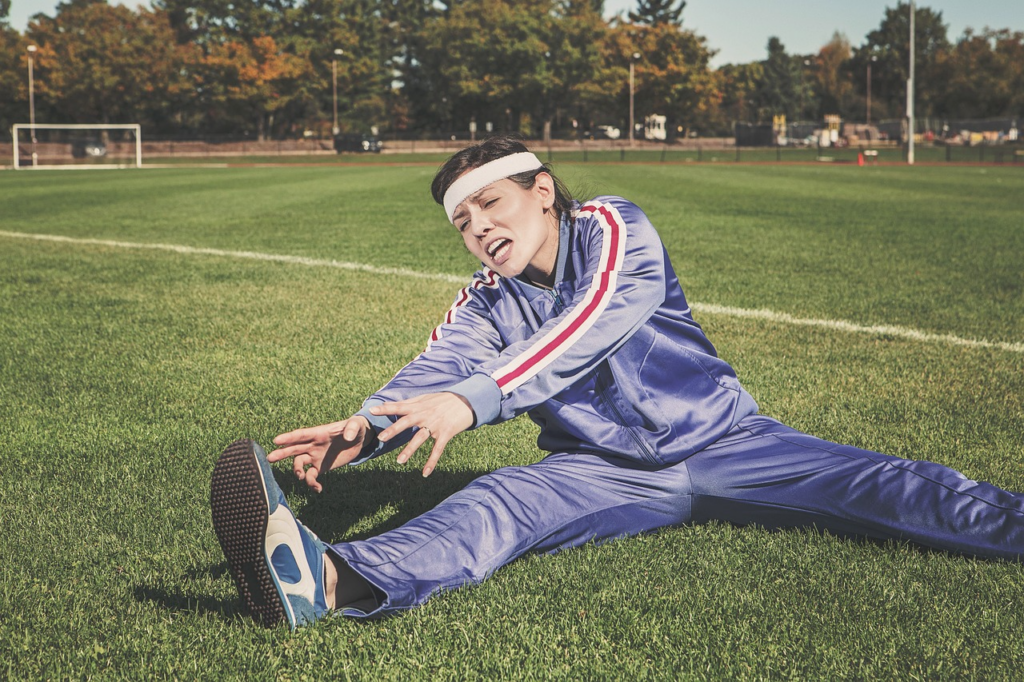
The shift toward natural recovery methods marks a positive evolution in competitive sports management. Athletes no longer want short-term fixes that jeopardize their long-term health and wellness. Clean care paths protect both physical structures and long-term career viability.
Embracing nutrition, passive technology, and proper biomechanics sets a new gold standard for teams everywhere. Longevity in sports now relies on working with the body rather than fighting against it. The future of athletic excellence shines brightest when built on natural foundations.