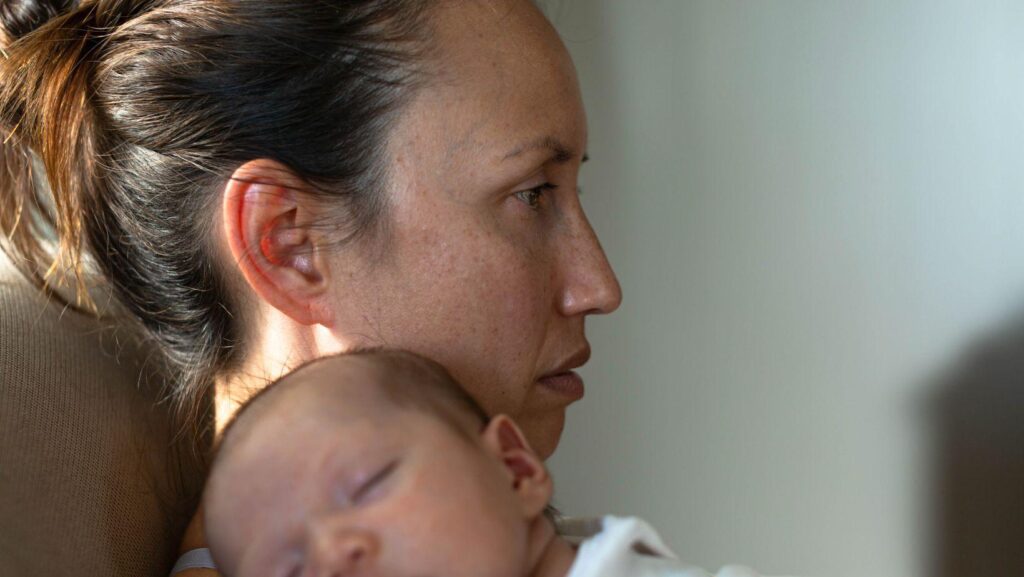
Everyone told you the first two weeks would be hard. It’s been four months, the baby sleeps better than you do, and you’re still waiting to feel the thing everybody promised would arrive.
Looking for postpartum depression help in California usually starts with a quiet suspicion that what you’re experiencing isn’t what anyone described to you. That suspicion is worth taking seriously, because postpartum depression looks different from the version in the pamphlets, and the gap between them keeps a lot of women from asking.
Why Baby Blues Is the Wrong Frame
Baby blues are real and extremely common. Tearfulness, mood swings, and feeling overwhelmed in the first days after birth affect the majority of new mothers, driven largely by the hormonal collapse that follows delivery.
The defining feature is that they resolve. Baby blues typically lift within two weeks without treatment. Postpartum depression doesn’t. It can begin any time in the first year, it persists, and it gets worse without intervention rather than better with time.
Using the same vocabulary for both is part of the problem. When a woman at month five hears her experience described as baby blues, the implication is that she should have been over it long ago, which produces silence rather than a phone call.
The Symptoms Nobody Warned You About
Postpartum depression is described as sadness. For a great many women, sadness is not the main event.
Rage Rather Than Sadness
Irritability and anger are extremely common presentations and almost never mentioned in prenatal classes. Snapping at your partner over nothing. Flashes of fury at the sound of crying. A short fuse that doesn’t resemble you at all.
Women experiencing this often conclude they’re becoming a bad mother rather than that they’re experiencing a treatable illness with a well-documented symptom profile.
Intrusive Thoughts
This one goes undisclosed more than anything else. Unwanted, horrifying thoughts or images about something happening to the baby, including thoughts of harm.
Here is what matters about them. These thoughts are a recognized feature of postpartum anxiety and postpartum OCD, they’re experienced as deeply distressing and alien, and they reflect fear rather than intent. Clinicians who work in perinatal mental health hear them regularly and are not alarmed by them.
Women stay silent because they believe disclosure will result in losing their child. That fear keeps a highly treatable condition running for months or years.
Anxiety That Won’t Switch Off
Constant checking. Inability to sleep even when the baby does. Catastrophic thinking about illness, accidents, or your own competence. Postpartum anxiety frequently occurs alongside depression and sometimes instead of it, and it responds well to treatment.
When It’s an Emergency
Postpartum psychosis is different from everything above, and it’s rare. It typically emerges within the first weeks after birth and involves symptoms like hallucinations, delusional beliefs, severe confusion, or paranoia.
It is a medical emergency requiring immediate care, not a wait-and-see situation. If you or someone you love is experiencing these symptoms, go to an emergency room.
Suicide is also among the leading causes of death for women in the first year after birth, which is the strongest argument available for treating this as serious rather than something to push through. If you’re having thoughts of harming yourself, call or text 988 to reach the Suicide and Crisis Lifeline.
Why Women Don’t Say Anything
The reasons are consistent and they’re worth naming so they lose some of their power.
There’s the fear of being judged as an ungrateful mother, especially after fertility treatment or a difficult path to this baby. There’s the fear of child protective involvement, which is dramatically overstated relative to what actually happens when someone discloses depression to a clinician. There’s the six-week checkup that covers physical healing and asks one screening question in passing. And there’s the belief that everybody finds this hard, so struggling means you’re simply worse at it.
What Treatment Involves
Postpartum depression responds to treatment, and the options are more flexible than most people assume.
|
Approach |
What it addresses |
|
Individual therapy |
CBT and interpersonal therapy for the thoughts, role changes, and relationship strain |
|
Medication |
Antidepressants, including options compatible with breastfeeding, managed by a prescriber |
|
Group therapy |
Contact with other mothers, which directly counters the isolation |
|
Intensive outpatient |
Structured support for symptoms that weekly therapy isn’t reaching |
|
Partial hospitalization |
Daily clinical care when functioning has significantly broken down |
|
Family involvement |
Partner education, since support at home shapes the course considerably |
Breastfeeding compatibility is worth raising directly with a prescriber rather than assuming medication is off the table. Options exist, and the decision should be an informed one rather than a default.
Reaching Out to Sierra Meadows Behavioral Health
If you’ve been measuring yourself against a version of motherhood that doesn’t match what you’re living, that gap is information rather than a verdict on you. Sierra Meadows Behavioral Health provides mental health treatment for adults across the Central Valley from Fresno and Visalia, with outpatient, intensive outpatient, and day treatment options that can flex around caring for an infant.
Say the hard parts out loud on that first call, including the thoughts you haven’t told anyone. That’s the information that gets you the right help.
Frequently Asked Questions
1. How long does postpartum depression last without treatment?
It can persist for months or years and tends to worsen rather than resolve on its own. Baby blues clear within about two weeks, while symptoms continuing beyond that warrant clinical assessment.
2. Can postpartum depression start months after birth?
Yes. Onset can occur any time within the first year, and later onset is common enough that it should never be ruled out because of timing.
3. Is it safe to take antidepressants while breastfeeding?
Several options are considered compatible with breastfeeding, though the decision depends on your circumstances. Discuss it with a prescriber rather than assuming medication is unavailable to you.
4. Will telling a doctor about intrusive thoughts get my baby taken away?
Disclosing distressing intrusive thoughts to a clinician is extremely common and rarely leads to child protective involvement. These thoughts are a recognized symptom, and treatment is the response rather than removal.
5. Can fathers and partners experience postpartum depression?
Yes. Paternal postpartum depression is documented and under-recognized, often presenting as irritability, withdrawal, or increased substance use. It warrants assessment and treatment in the same way.