There are so many individuals walking around with stress without knowing the amount of stress their bodies carry. Hard ribs, stiff necks and bound hips usually speak louder than words ever do. Through body awareness learning, the body is allowed room to observe those signals. It becomes slow to allow the mind time to catch up.
Body awareness is simple in theory. Pay attention to movement. Notice which muscles join the effort. Understand how the body shifts during each action. When this happens, tension has less room to hide. The body begins to move with more ease. Strength follows naturally.
What Body Awareness Really Means
Body awareness focuses on sensing movement instead of rushing through it. It helps people connect with posture, breathing depth, and simple shifts in weight. Many people are surprised by how much the body can reveal once attention slows down.
Sessions often use slow patterns. This pace gives space to feel each step or stretch. It helps the body recognize when certain muscles work harder than needed. Small adjustments then become easier. Over time, movement feels smoother and less forced.
This approach does not chase perfection. It creates curiosity about how the body responds. That curiosity supports control and relaxation.
How Body Awareness Helps Reduce Stress
Stress leaves clues in the body. Raised shoulders. Tight jaws. Locked knees. These habits grow quietly. Body awareness helps people notice these signals earlier. Once visible, they are easier to soften.
Slow movement encourages deeper breathing. Deep breaths calm the nervous system. When breath slows, stress loses intensity. This effect often appears even in short awareness sessions.
Awareness training also slows the mind. It moves people out of busy rhythms and into calmer ones. This shift turns a simple routine into a moment of relief instead of another task to complete before rushing off.
Guidance from the Mayo Clinic shows that slow, awareness-based practices help lower stress levels and ease physical tension.
Why This Style Builds Stronger Muscles
Many workouts rely on speed or momentum. This limits how deeply muscles engage. Awareness training removes momentum completely. Every muscle must activate through the full motion. This builds deeper strength and better control.
Slow patterns reach stabilizing muscles that often stay quiet. These muscles protect joints and guide smooth movement. Once they join the workforce, strength becomes more balanced.
At home routines often use guided tools, and some people pick reliable pilates reformers for sale online because these machines support smoother strength training. These tools offer resistance without harsh impact. They help the body stay aligned while learning new movement habits.
The Role Of Reformers In Awareness-Based Training
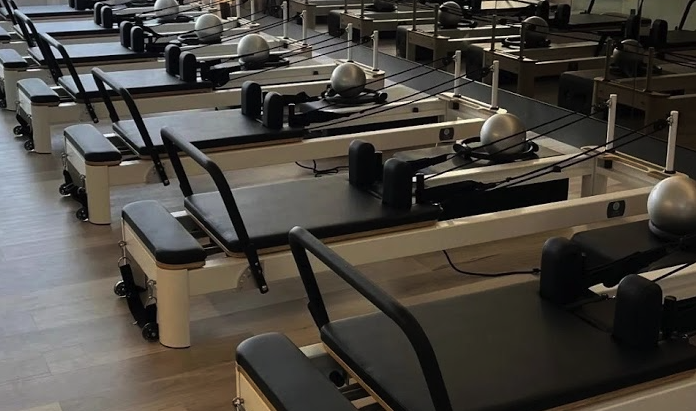
Reformer-style equipment supports slow training because it guides motion. The platform moves in one clear path. Springs offer resistance that feels steady instead of sharp. This helps the body sense its alignment more clearly.
Machines like the Sculptformer follow this idea. They create resistance that challenges the body without rushing it. Users feel how the hips, core, and shoulders support the motion. Small imbalances become easier to spot.
This type of training supports balanced strength on both sides of the body. Each repetition teaches steadiness. The body gains more control with time and practice.
Improving Posture Through Awareness
Posture affects comfort, stress, and breathing. Many people slump during the day without noticing. Awareness training helps the body recognize these dips in alignment. Once noticed, gentle shifts become easier.
Slow patterns highlight when the spine leans or when the shoulders curl. The body learns to adjust naturally. These changes happen without force. Better posture then becomes a habit instead of something to constantly correct.
Guidance from MedlinePlus notes that posture-friendly exercises and body awareness-based movement can improve comfort, balance, and overall mobility.
Balance And Coordination Improve With Consistent Practice
Balance improves when the body learns how to stay steady during slow movement. Awareness training naturally challenges stability. Each shift invites the body to find its center again. These small tasks strengthen small muscles that support balance.
Better balance supports simple activities like bending, stepping, and lifting. It also decreases the chances of sudden strains. Coordination improves because the body learns to move with clearer intention.
Reformer-based training supports this growth. The sliding platform encourages stability. Muscles work together to keep the body balanced. This creates long-term benefits for everyday motion.
A Mind Body Connection That Supports Daily Life
Awareness training builds a strong link between the body and the mind. This connection helps people stay present during daily routines. It also gives the mind clearer signals about stress, fatigue, and tension.
Slow training requires focus. That focus supports mental clarity. People often feel more grounded after sessions. The calm does not stay in the gym. It follows into the rest of the day.
This connection also helps manage stress more effectively. When the body feels steady, the mind tends to ease up as well.
A Simple Routine To Start With
Awareness training does not require long sessions. Even short, steady routines can create meaningful change. A simple starting layout looks like this:
- Breathing practice: Slow breaths that soften the ribs and relax the neck.
- Gentle core activation: Small movements that help the abdominal muscles wake up.
- Lower body patterns: Slow lunges or supported leg work with smooth transitions.
- Upper body control: Light movements that guide the shoulders into better alignment.
- Cool down: Easy stretches with relaxed breathing to release lingering tension.
Reformer sessions follow this same pattern. The equipment helps with smooth resistance, so each phase feels controlled.
Long-Term Benefits Of Awareness Training
Consistent practice brings steady results. Muscles feel stronger without sharp soreness. Movement feels more natural. The body becomes more balanced and responsive.
Stronger stabilizing muscles protect the joints. Better posture supports long-term comfort. Calm breathing lowers the impact of daily stress.
Awareness-based training supports healthy aging. It improves mobility. It encourages slower, more thoughtful movement. These habits support long-term strength in gentle and sustainable ways.
Final Thoughts
Body awareness training offers a calming and steady path toward strength. It helps people tune in to their bodies instead of fighting against tension. Each slow movement builds confidence and stability. The body grows stronger while staying comfortable.
People who practice awareness training often feel more grounded in daily life. They move with more clarity and ease. This approach supports mental calm and physical strength.