
Have you ever wondered what’s in a number? Well, if that number is an IP address, quite a lot. Think of it as the digital equivalent of a home address, helping data packets find their way through the sprawling neighborhood of the internet. Today, we’ll jump into the intriguing realm of IP addresses, what they are, their types, and why knowing about them can be a total game changer. So, buckle up, grab your favorite snack, and let’s explore together.
61.1.171.141
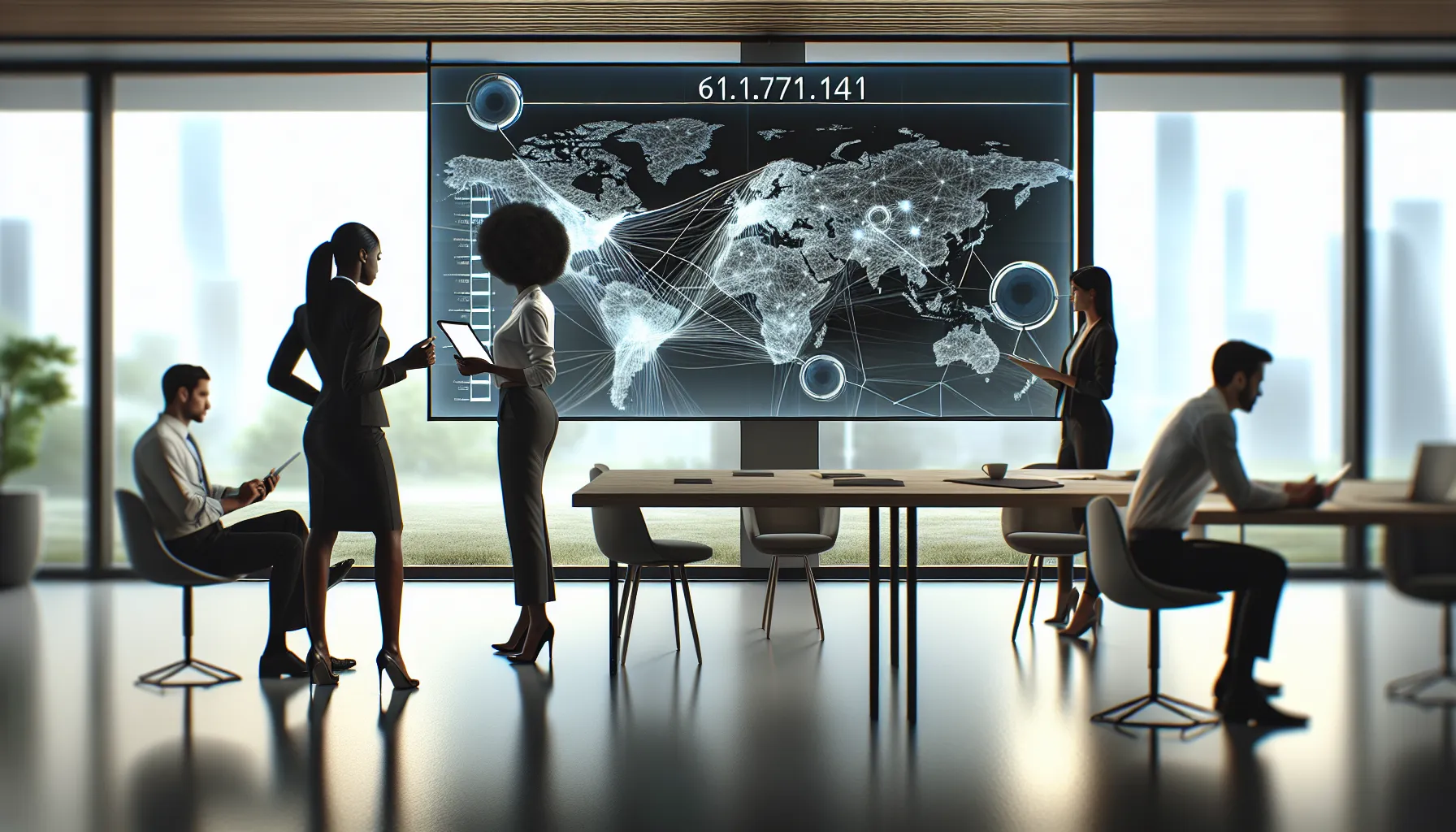
An IP address, or Internet Protocol address, serves as a unique identifier for devices on a network. Just like every house has its own address for mail delivery, every device needs its own IP address to communicate over the internet. In technical terms, this address enables devices to identify and locate each other, allowing for the seamless transfer of data. Without it, our online experience would be like a postman trying to deliver mail without knowing where it goes, confusing and chaotic.
There are two main versions of IP addresses: IPv4 and IPv6. IPv4, the most commonly used, consists of four numerical segments (for example, 192.168.0.1). With the explosive growth of internet-connected devices, we’ve started adopting IPv6, which is a much longer address designed to accommodate the ever-expanding digital population. So, the next time you’re on the web, just remember, it all starts with that unassuming series of numbers.
Types of IP Addresses
Now that we understand what an IP address is, let’s break it down a little further. There are primarily two types of IP addresses: static and dynamic.
Static IP Addresses
Static IPs are fixed addresses that don’t change. They’re like owning a home: once you move in, that’s your permanent residence. Businesses often use static IPs for hosting websites or important servers that always need to be accessible.
Dynamic IP Addresses
On the flip side, dynamic IP addresses are more like renting an apartment. They can change from time to time, assigned by a Dynamic Host Configuration Protocol (DHCP) server. Home users usually have dynamic IPs, which are simpler to manage and cost-effective.
Plus, IP addresses can also be classified by their visibility, public and private. Public IPs are accessible from the internet at large, akin to a store with a big sign. Private IPs, but, are used within local networks, think of them as cozy little secret clubs.
Exploring the IP Address 61.1.171.141
Now, let’s investigate into the specific IP address 61.1.171.141. Understanding this piece of digital real estate can unlock a treasure trove of information.
Geolocation and Usage of 61.1.171.141
This particular IP address is registered in Australia, often associated with various internet service providers. Geolocation services can trace where an IP address originates, giving us insights into its physical location on a map. This can be especially useful for businesses looking to understand their audience better, tailoring services based on regional demands.
Common Applications Associated with This IP
61.1.171.141 is frequently tied to regular web browsing, digital communications, and data transfers. You may find it within the realm of social media interactions, email correspondence, and video streaming activities. Knowing this can help us appreciate the complexities of our daily internet usage.
Security Considerations
While IP addresses are essential for connecting us, they can also pose risks. Cyber threats often exploit IP addresses to gain unauthorized access to networks. For instance, DDoS attacks use IP addresses to flood a target with excessive traffic, overwhelming the system. This is why maintaining awareness around our IP address security is paramount.
Always ensure you’re using a reliable VPN (Virtual Private Network) when browsing. This technique masks your true IP address, providing an extra layer of security. Besides, firewalls and anti-virus software can help protect our devices from malicious attempts to breach our privacy.
How to Trace an IP Address
Curiosity often strikes, leading us to wonder how we can trace an IP address. There are numerous tools available online that allow us to perform a whois lookup or use an IP geolocation service. Simply input the IP address, and voilà. You will get valuable information about the address, including the organization it belongs to and its geographical location.
For businesses, tracing IP addresses can be crucial for understanding customer demographics or managing security protocols. Just remember to use these tools ethically and responsibly, respecting privacy regulations.