Let’s be honest, IP addresses sound about as exciting as watching paint dry. But stay with us. What if we told you that understanding IP addresses like 8.218.55.158 could unlock a world of internet insight? Trust us, it’s more riveting than a reality show finale. In this text, we’ll break it all down, laugh a little, and maybe even learn something new along the way. Ready to immerse? Let’s go.
8.218.55.158
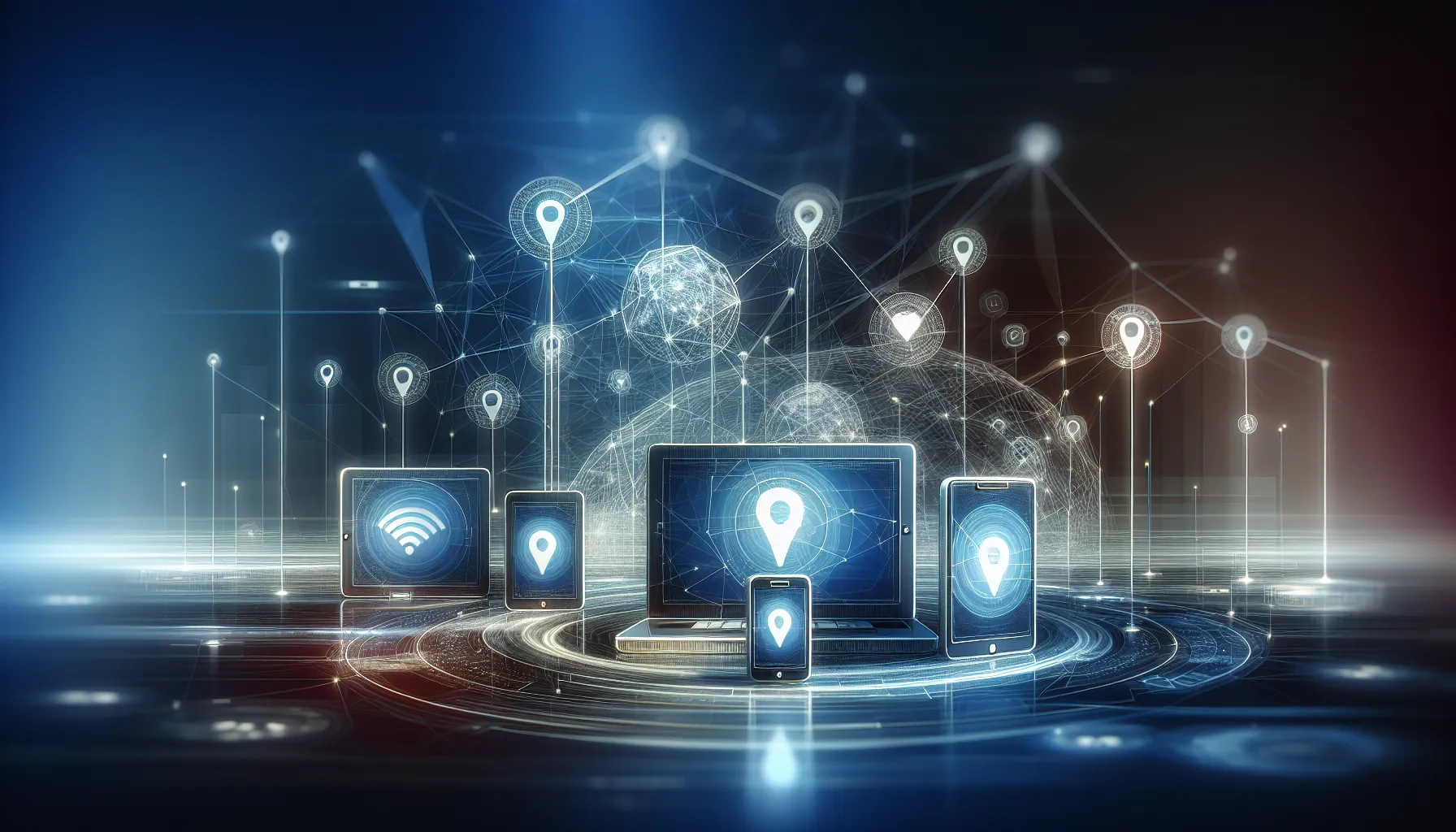
An IP address, or Internet Protocol address, serves as a unique identifier for devices connected to the internet. Think of it as your home address, but instead of directing friends to your patio for a BBQ, it tells data packets where to go in the vast digital landscape. Every device connected to the Internet has an IP address, allowing seamless communication between them.
In simpler terms, an IP address helps devices find each other, enabling us to access websites, send emails, and stream cat videos (because let’s face it, that’s half the reason we’re online anyway). To put it plainly, every time you connect to the internet, your device is assigned an IP address, making it vital for navigating our online world.
The Importance of IPv4 Addresses
Now, when we say IP addresses, we’re often referring to IPv4 addresses. IPv4 stands for Internet Protocol version 4, which has been the backbone of our internet communication since the 1980s. Currently, there are about 4.3 billion unique IPv4 addresses available. That sounds like plenty, right? Well, not quite.
As our love for the internet has exploded, those addresses have begun to dwindle. This scarcity has made IPv4 addresses more precious than gold, or at least a shiny new gadget.
This is why understanding IPv4 and the role it plays in assigning addresses is more important now than ever. Without it, our online world would be a chaotic mess of lost packets and missed connections. The reality is, IPv4 is crucial for keeping the internet coherent, helping you connect smoothly every time you browse.
Exploring 8.218.55.158
Let’s jump into the specifics of 8.218.55.158, shall we? This particular IP address falls under the category of IPv4, which means it adheres to the same format we just discussed, four numbers separated by periods. But what does it actually do?
Geolocation and Usage of 8.218.55.158
This address is registered in a specific region, which means that it can be tied back to a physical location on the globe. While it’s important to clarify that not every IP address reveals the exact spot (hello, VPNs.), certain databases can give us a general idea of where this address might be. This geolocation data can be crucial for multiple fields, think digital marketing, cybersecurity, or network management.
Common Uses for This IP Address
You might wonder, what’s it used for? Well, common usages can range from web hosting to providing internet services in various regions. Businesses might assign static IPs like 8.218.55.158 to servers, enabling steady and reliable connections for websites and services.
In some cases, individual users might encounter it while browsing the web or due to network configurations. So, it’s versatile, it’s like the Swiss Army knife of IP addresses.
Security Implications of 8.218.55.158
Understanding the security implications of 8.218.55.158 can’t be overlooked. Like any other IP address, it can become a target for cyber-attacks, hacking, or other malicious activities.
If someone intends to access a device through this address, it opens the door for unauthorized entries. Also, spam and phishing campaigns often target IPs with a vast reach, aiming to steal personal data. This is why having a grasp on which IP addresses are interacting with your network is essential for security.
Also, being astute with IP addresses enables individuals and businesses to configure firewalls efficiently and mitigate threats. Vigilance is key in the digital world.
How to Trace an IP Address

Tracing an IP address like 8.218.55.158 isn’t as complicated as it might seem. Various online tools allow us to input an IP address and discover critical information, such as the geographical location or the service provider associated with that address.
Also, one can use command prompts or terminal commands on a device to ping or perform trace routes. This not only helps us identify the location but also the hops data packets take to reach that point.
As an added bonus, there’s an element of sleuthing involved. If you find yourself in the world of cybersecurity or just a curious individual, tracing IPs can be a fascinating try.