
Have you ever stumbled upon the term ‘elevjihad’ and thought, what on earth is that? Don’t worry: we’ve all been there. Sitting around, pondering the complexities of modern ideological movements sounds a bit like our favorite pastime, or maybe just a reason to put off doing laundry. In this text, we investigate into the intriguing realm of elevjihad, exploring its origins, beliefs, and the often skewed ways it’s perceived in media. With a sprinkle of humor and a dash of seriousness, we aim to unravel the layers behind it, because let’s be honest, understanding complex topics is much easier than folding fitted sheets.
Elevjihad
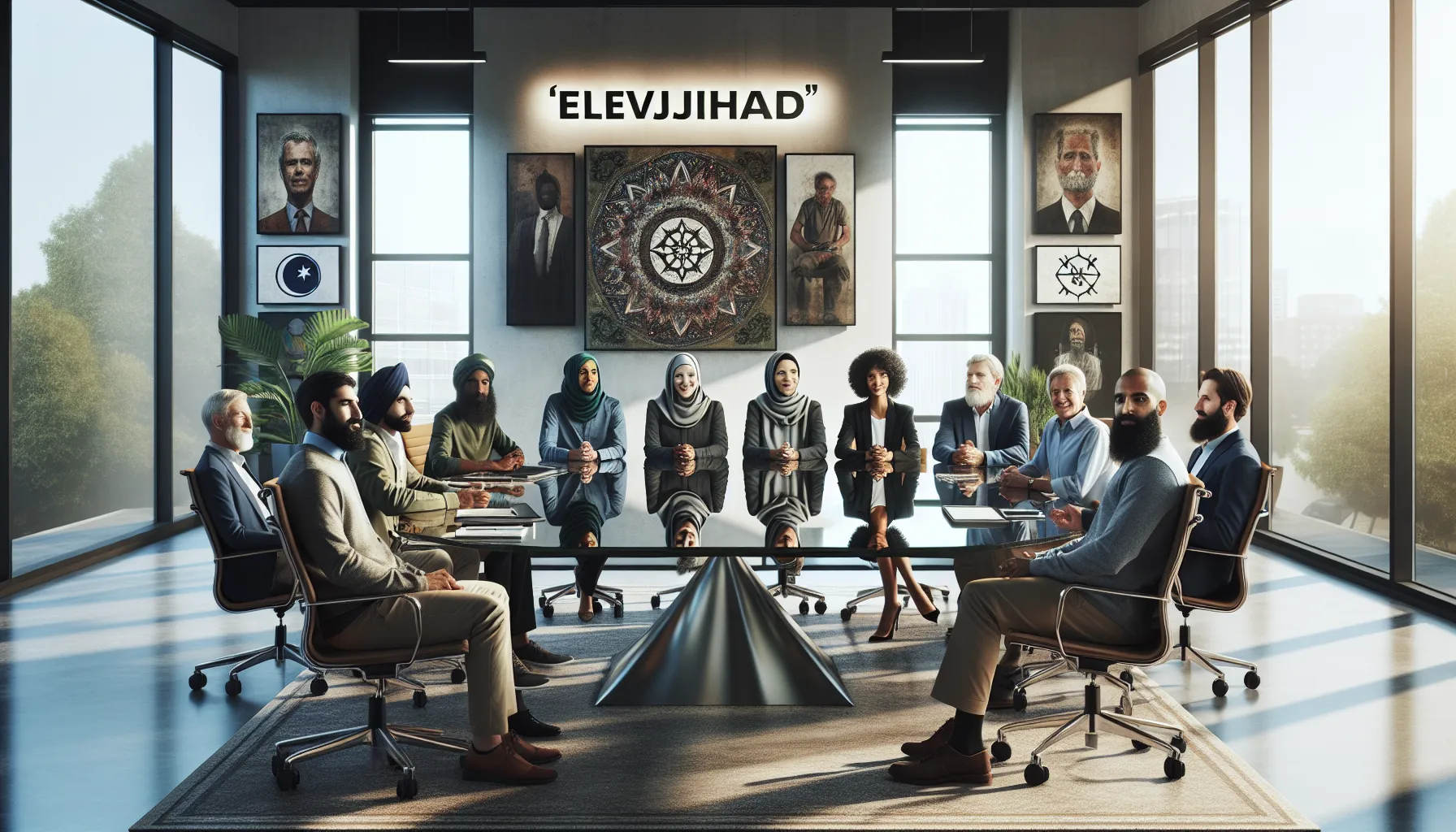
Origins and Development
Let’s jump into the roots of elevjihad. Emerging from a blend of cultural, religious, and political terrains, this concept has evolved significantly over the years. Its origins can be traced back to the late 20th century, marking a pivotal shift in how certain communities engaged with grievances and identities. Various movements adopted the term, adapting it to represent their struggles and aspirations. It’s a narrative that’s woven through personal stories and communal experiences, illustrating a progression that we can all learn from.
Key Figures and Influences
Now, no movement is complete without key players who help shape it. Notable figures have emerged in elevjihad’s journey, each bringing unique perspectives and actions to the forefront. From activists to scholars, their influences are sometimes misunderstood yet undeniably impactful. These individuals often challenge conventional thoughts and encourage a reassessment of what elevjihad entails. As we engage with their stories, we can find echoes of our own reflections on justice and identity.
Core Beliefs and Practices
Impact on Modern Society
So, how does elevjihad resonate in today’s world? It isn’t simply a historical concept predefined in dusty textbooks. Instead, it finds relevance in discussions about justice, equality, and activism today. Many of us observe how these beliefs manifest in social movements across various platforms. It’s interesting how certain communities use elevjihad as a rallying cry, influencing policy and public opinion in ways we sometimes overlook. We might even consider how our local discussions mirror those broader narratives, signaling a shared urgency for change.
Media Representation
If we think about the media’s portrayal of elevjihad, we quickly realize it often shapes public perception. Unfortunately, the sensationalized narratives can skew understanding. Instead of nuanced stories, we frequently encounter oversimplified versions that paint broad strokes over complex ideologies. As consumers of news, it’s crucial for us to sift through the information and reveal the authentic human experiences behind elevjihad.
Controversies and Misunderstandings
Addressing Stereotypes and Misinformation
Ah, stereotypes, those pesky, lopsided caricatures that don’t really reflect reality. One of the challenges facing those involved in elevjihad is the abundance of misinformation surrounding it. We’ve seen how stereotypes can perpetuate fear and misinformation, often turning dialogue into divisive shouting matches. By addressing these misconceptions head-on, we can foster a better understanding of elevjihad, moving beyond labels to appreciate its diversity and depth. Let’s commit to questioning the narratives we hear, aiming for greater clarity instead of confusion.
Engaging in Constructive Dialogue
In a world saturated with noise, how do we foster constructive dialogue around elevjihad? It begins with us, our willingness to listen, engage, and seek understanding. We must create spaces where respectful discussions can happen, where questions are welcomed, and experiences are shared. Whether through community forums or online discussions, platforms for dialogue are essential in bridging gaps that misunderstandings create. As we step forward, let’s prioritize empathy and insight, transforming what could be contentious exchanges into pathways for collaboration and knowledge.