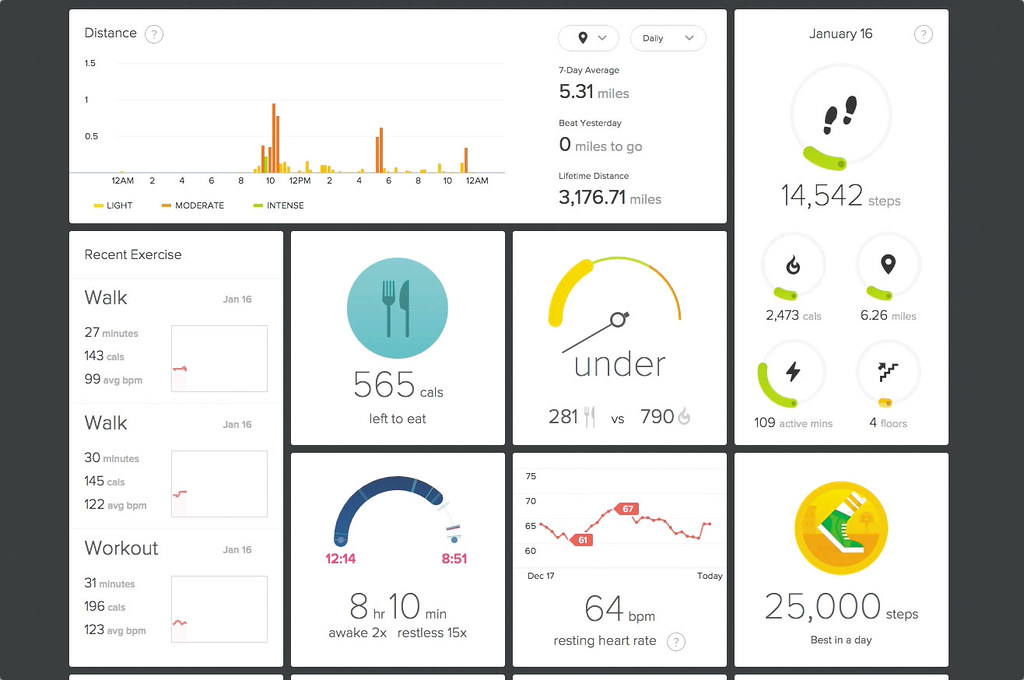
It’s getting increasingly difficult to find a person who wouldn’t be concerned about their personal wellness. Men and women, children and the elderly alike want to know what their minds and bodies say: how deeply have they slept last night? In what way did their pulse react as they were doing their morning routine? How many steps have they covered throughout the day, and what is their blood sugar level?
In the past, it was enough for people to get a few generic wellness reminders, such as “it’s time to drink a glass of water” or “you’ve been sitting for too long.” Today, our demands have grown much more intricate. We want to know everything; more than that, we require specific solutions to our problems, and that’s where data engineering comes into play.
Why Personalized Wellness Depends on Data Engineering
Wellness data comes from a variety of sources, including cell phones, smartwatches, nutrition apps, sleep trackers, and so on. Different tools and different formats make data integration challenging, but that’s exactly what people expect because their personalized wellness depends on it.
Here is how data engineering can help:
Ingestion at scale. Properly integrated data engineering solutions can help wellness platforms collect info from a variety of sources and synchronize it for each individual user.
Quality control. Heart rate differs depending on specific activity, while devices might get replaced; data engineering can help keep all this changing data under control, updating it and breaking it into relevant categories.
AI integration. The combo of quality data engineering and AI can provide personalized solutions based on unique wellness metrics collected about each user profile.
Respect for privacy. Any kind of work with personal information is sensitive, so data engineering solutions must correspond to the set privacy standards, such as CCPA, PIPEDA, GDPR, or others.
Modern users expect to receive info about all these nuances via the wellness platforms they’re using. The providers of these platforms tend to cooperate with professional CHI Software data engineering consultants who deliver integrated solutions to help meet all users’ needs. There is a lot to plan here, including data warehousing, pipeline automation, etc. Only an integrated approach can guarantee that all the data is accounted for.
What Becomes Possible When Wellness Data Is Engineered Properly
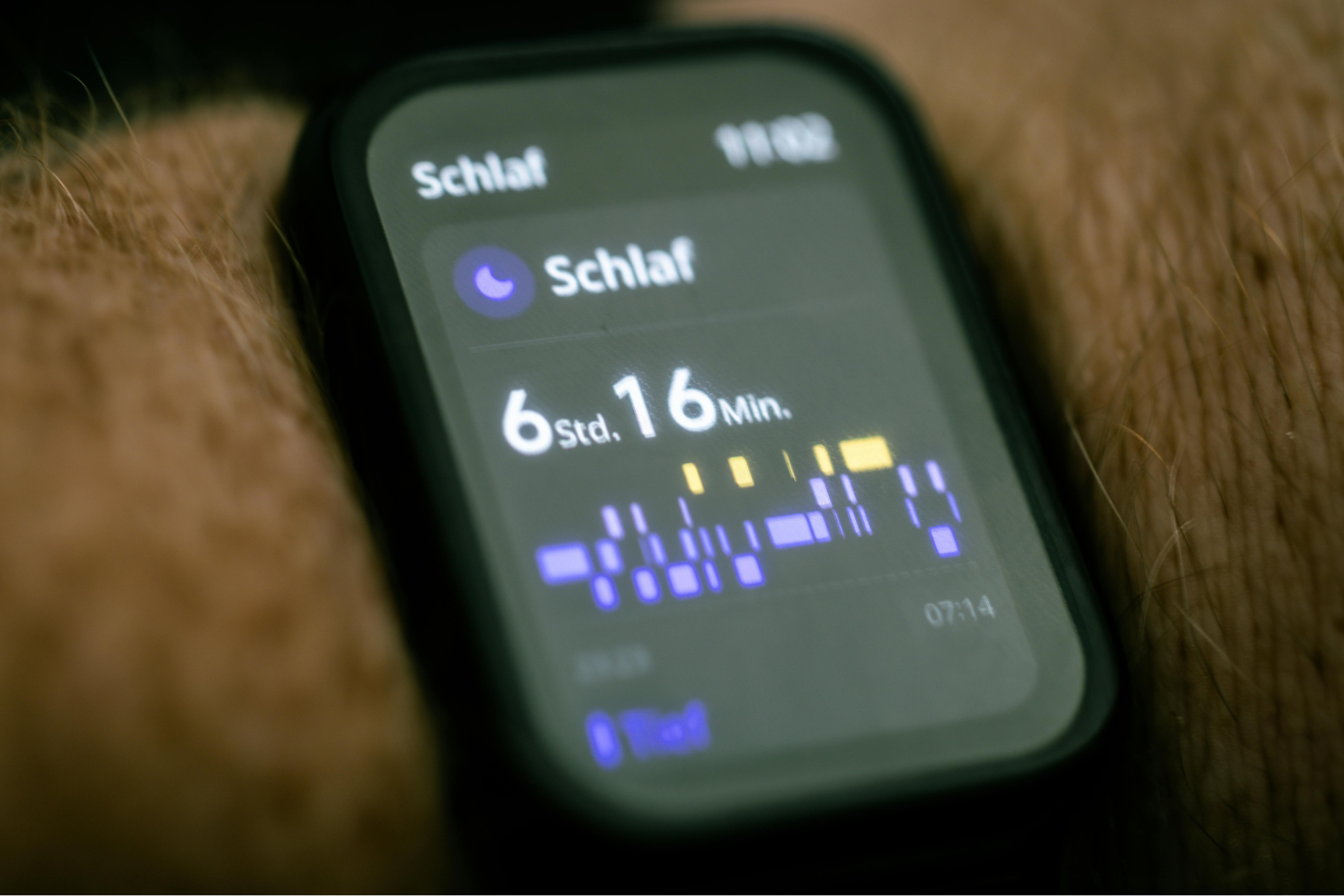
When data is engineered correctly, users receive a truly personalized wellness service. There are no generic recommendations or unclear data: everything is integrated together and explained in simple, layman-friendly words.
Now, let’s see the specific examples of how smart data engineering transforms and expands the limits of personalized wellness.
Higher precision. Wellness platforms start offering suggestions tailored to your unique sleep patterns without basing them on a generic 8-hour standard; training intensity is adjusted according to your heart rate and recovery period.
Context adjustments. If you’ve been sleeping badly for the last couple of nights, data with solid data engineering will automatically reduce the number of hours it typically recommends for physical training.
AI coaching. The stronger data engineering is, the more relevant AI coaching becomes: it will give suggestions based on users’ unique preferences and abilities, and if something is beyond its scope of work, it’ll recommend outside help.
Early trend detection. If there are gradual increases in your heart rate or your sleep is worsening, the apps will be able to alert you to these changes and help you take action before anything turns into a long-term problem.
And that’s not the end of it — we can receive a lot more personalized information that applies specifically to our schedules, behaviors, and preferences. The better engineered it is, the simpler it is to get relevant insights and act on them to improve our wellness.
Current Wellness Market Trends
The trends that rely on better data engineering are everywhere now. Let’s consider the three most prominent ones.
Guidance-Centric Solutions
Passive metrics no longer cut it: users want to see active interpretations and recommendations. That’s why more and more of them are looking for systems that will not simply present a chart with data but offer real-time insights and guidance.
Think about it as a user: you wake up, check your wellness platform of choice, and see that you slept 6 hours today. Yesterday, you slept for 8 hours, and the day before that, you slept for 5 hours.
What do these stats say about your sleeping patterns? Are they positive or negative? How do they correlate with your heart rate?
Instead of guessing, you will probably want to receive a proper explanation and solution. Other people want the same thing, which is why they appreciate guidance-centric platforms.
Connected Wellness Ecosystems
Wellness platforms that don’t want to lag behind seek to integrate data from multiple sources and in various formats. Wearables, health apps, remote coaching, and other tools all produce valuable insights, and users want to see their immediate integration and interpretation.
Easily Adaptive Systems
Another trend concerns the higher adaptivity of wellness platforms and apps. Life is full of unexpected changes and problems; aging, health issues, and even the weather matter a lot. All these shifts affect wellness data, and it’s up to data engineers to design their wellness systems better and make them more adaptable. These systems have to take all sources of influence into consideration when issuing recommendations or solutions.
Smart Wellness Solutions for More Demanding Users
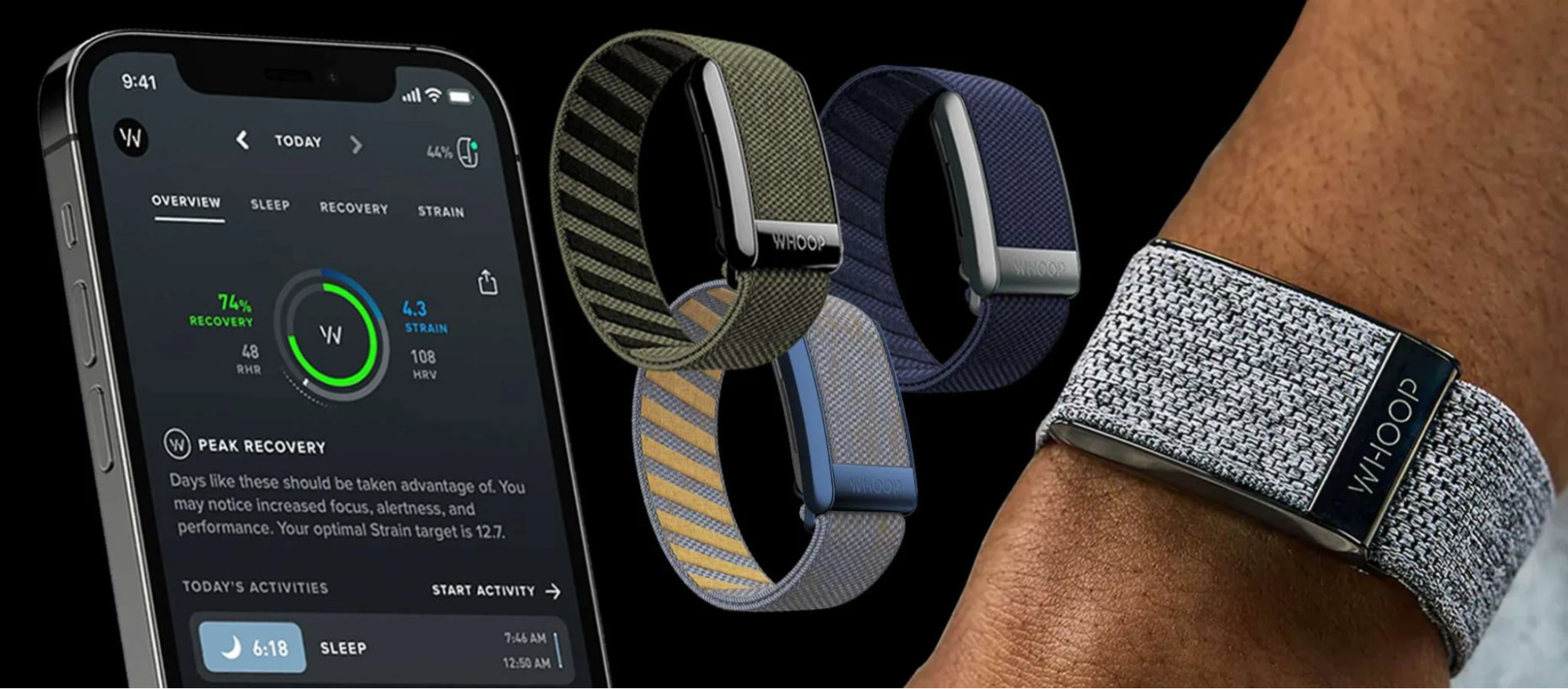
Modern users expect to receive all types of information about their health, activities, and behavior, and they have no desire to deal with ten different devices and apps to do it. That’s why smart data engineering is essential: it transforms disconnected metrics into one integrated system with clear insights and explanations. Platforms that make it a priority have the biggest chances to stand out and please their users.