Ever wondered how to feel good without overexerting yourself?
Holistic wellness and gentle movement go together. Gentle movement is one of the most important elements of a well-rounded routine. Without gentle movement, other parts of a holistic wellness routine are missing a key component.
Here's a quick reality check…
Gentle movement is:
- Available to just about anyone
- Simple to get started today
- Scientifically proven to provide results
Contents
- Why Gentle Movement Is Essential
- Mind-Body Connection
- The Best Forms of Gentle Movement
- Creating a Lasting Routine
Why Gentle Movement Is Essential
Gentle movement is all about low-impact exercise that protects joints while still offering significant benefits. It avoids the risks of high-intensity, high-impact workouts, which can lead to strain and injury.
Consider this…
High-intensity workouts are not for everyone. Seniors, people recovering from injuries, and those with chronic conditions require more joint-friendly alternatives. The good news is there are more options available than ever before.
Equipment such as NuStep seated steppers allows you to get the cardiovascular benefits of exercise without the punishing impact on your joints. NuStep Cross Trainers give a safe, effective way to exercise and protect your joints.
The data shows just how big the gap is. According to the National Center for Health Statistics, only 13.9% of adults aged 65 or older met federal physical activity guidelines. Think about that.
Why does that matter?
Physical inactivity is a significant chronic disease risk factor. Exercise has been shown to prevent or delay around 40 chronic conditions and diseases. Gentle movement can make all the difference for those who believed they couldn't do any exercise.
Balance and stability are also a big part of the equation.
One-third of adults over the age of 65 fall seriously each year according to various studies. Balance and stability exercises reduce the likelihood of falls. Low-impact, joint-friendly workouts help build stabilizing muscles.
Beyond balance, gentle movement can also:
- Improve cardiovascular fitness
- Increase joint flexibility
- Build muscular endurance
- Reduce inflammation
Mind-Body Connection
Here's another big detail that many people miss…
Gentle movement is not only good for the body. It's just as important for mental health and wellness.
According to the Mindbody 2024 Wellness Index, 85% of Baby Boomers agreed that physical activity and movement help with their mental health. It makes sense when you look at the science of how movement affects the brain.
Exercise releases endorphins. It reduces stress and improves the quality of sleep. Gentle movement offers the same benefits without leaving you worn out and exhausted.
Did you know…
Physical activity and mental health wellness have traditionally been overlooked in the health and wellness industry. The new 2024 wellness paradigm is all about the connections between body, mind and spirit.
What's more…
The 2024 wellness scene is all about holistic approaches. People are realizing that to be truly well, all dimensions of their health need to be in balance. Physical, mental and emotional. Focusing on one without addressing the others is a recipe for failure.
The holistic approach takes it all into account. True health and wellness includes:
- Physical health
- Mental clarity
- Emotional balance
- Social engagement
Gentle movement covers all of these areas. A morning stretching routine helps improve mood. An afternoon walk can clear your head. Low-impact equipment like a seated stepper builds confidence as well as physical strength.
The new paradigm values mental fitness alongside physical fitness. Mindful movement practices combine the physical training of the body and the mental training of the brain to deliver complete wellness benefits.
This is why holistic wellness routines focus on consistency over intensity.
The Best Forms of Gentle Movement
Now let's look at the best gentle movement options.
There are many excellent choices depending on an individual's needs and circumstances. The most important thing is to find something that is enjoyable and sustainable. When exercise feels like a punishment, it will not last.
Walking
Walking is the most accessible form of exercise. It requires no special equipment. The CDC suggests 150 minutes of moderate activity each week. That's only 30 minutes of brisk walking five days per week.
The great thing about walking is it can be done anywhere. Around the neighborhood. In a park. Even inside when the weather is bad.
Seated Exercise
Mobility-impaired individuals can get a full cardiovascular workout using seated exercise equipment. Seated machines are popular for rehab facilities and senior communities.
These machines allow users to exercise safely while seated. Standing balance is not required, and the seated position removes fall risks during the workout.
Yoga and Tai Chi
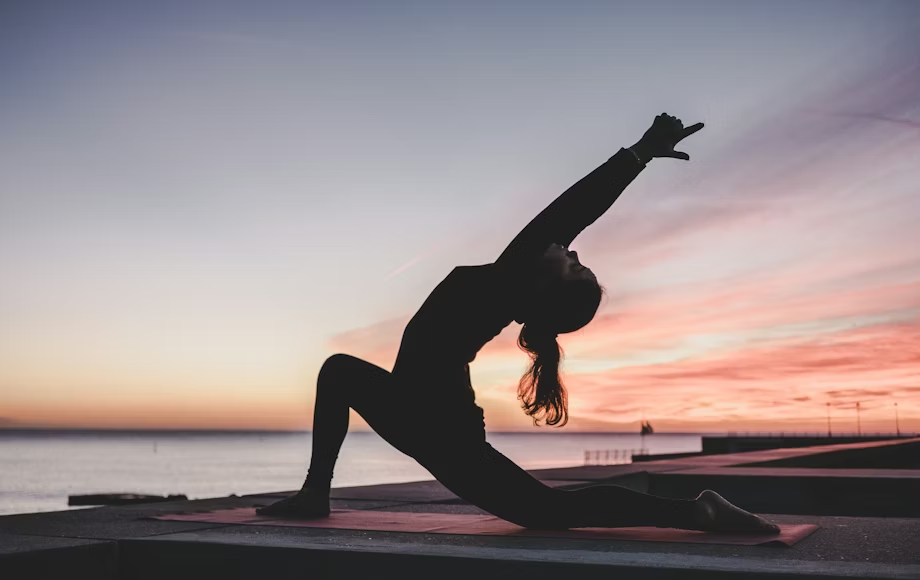
Mind-body practices such as yoga and tai chi also qualify as gentle movement. These practices offer unique benefits for balance and stress management. There is a research-backed lower fall risk in older adults who practice yoga and tai chi.
Swimming and Water Exercise
Water provides natural resistance and buoyancy to reduce stress on joints while working the muscles. Aquatic exercise is especially helpful for arthritis and joint pain.
Stretching Routines
Daily stretching is another easy, equipment-free form of gentle movement that can have a significant positive effect.
Stretching improves flexibility and decreases stiffness and tightness.
The best approach is to choose something that works best for your unique needs.
Holistic wellness is about consistent participation, so the ideal choice is the one you will actually do.
Creating a Lasting Routine
Developing a long-term gentle movement routine can be easier with some pointers.
Let's go through the key tactics…
Start Small
Don't overdo it when starting. 10-15 minutes of daily movement is enough to build the habit. Daily movement doesn't need to be a lot at first. It's consistency that counts.
Schedule It
Schedule movement like any other important appointment. Block time on the calendar and treat it as a non-negotiable appointment. Morning routines work best because fewer other things are competing for your attention.
Find Things You Enjoy
Movement should be enjoyable, not a punishment. If something feels like a chore, try something else. The best exercise is the exercise you are willing to do.
Track Progress
Fitness watches and apps make it easier than ever to track your progress. Seeing progress can build motivation and accountability.
Connect Socially
Add a social dimension by going to group classes and finding walking partners. This addresses several different dimensions of holistic wellness at once.
Listen To Your Body
Gentle movement is all about listening to and respecting your body's limits. Have lighter days when needed.
Perfection is not the goal. Progress is.
Pulling It All Together
Holistic wellness and gentle movement go hand in hand. Gentle movement is one of the best things you can do for overall physical and mental health and wellness. Gentle movement is the most important part of holistic wellness.
The research is clear. Regular low-impact exercise:
- Lowers chronic disease risk
- Improves mental health and wellness
- Builds strength and balance
- Helps promote long-term independence
Walking, seated exercise, yoga, tai chi and swimming all offer a form of gentle movement for just about anyone.
The key is to be consistent. It is the small daily efforts that compound to make a massive difference. The earlier you start and the more often you do it, the better. Start today with a few minutes of movement. It can begin to change health outcomes.
Holistic wellness is about sustainable, long-term practices, not short-term extreme measures.
This is the power of gentle movement.