
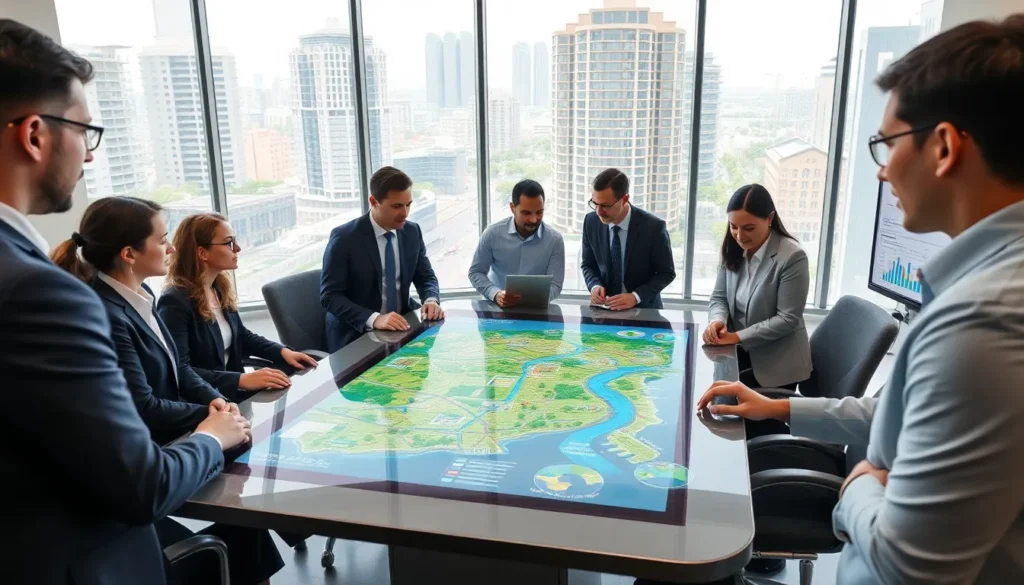
Have you ever wondered how cities manage their water resources effectively while keeping everything environmentally friendly? Enter Hydaguay, the transformative concept that aims to redefine urban water management. It’s like discovering your favorite chocolate in someone else’s candy jar, unexpected yet delightful. In this text, we’ll jump into the nuts and bolts of Hydaguay, exploring its history, benefits, and how this clever approach can be implemented in urban planning while tackling some serious challenges along the way.
Hydaguay
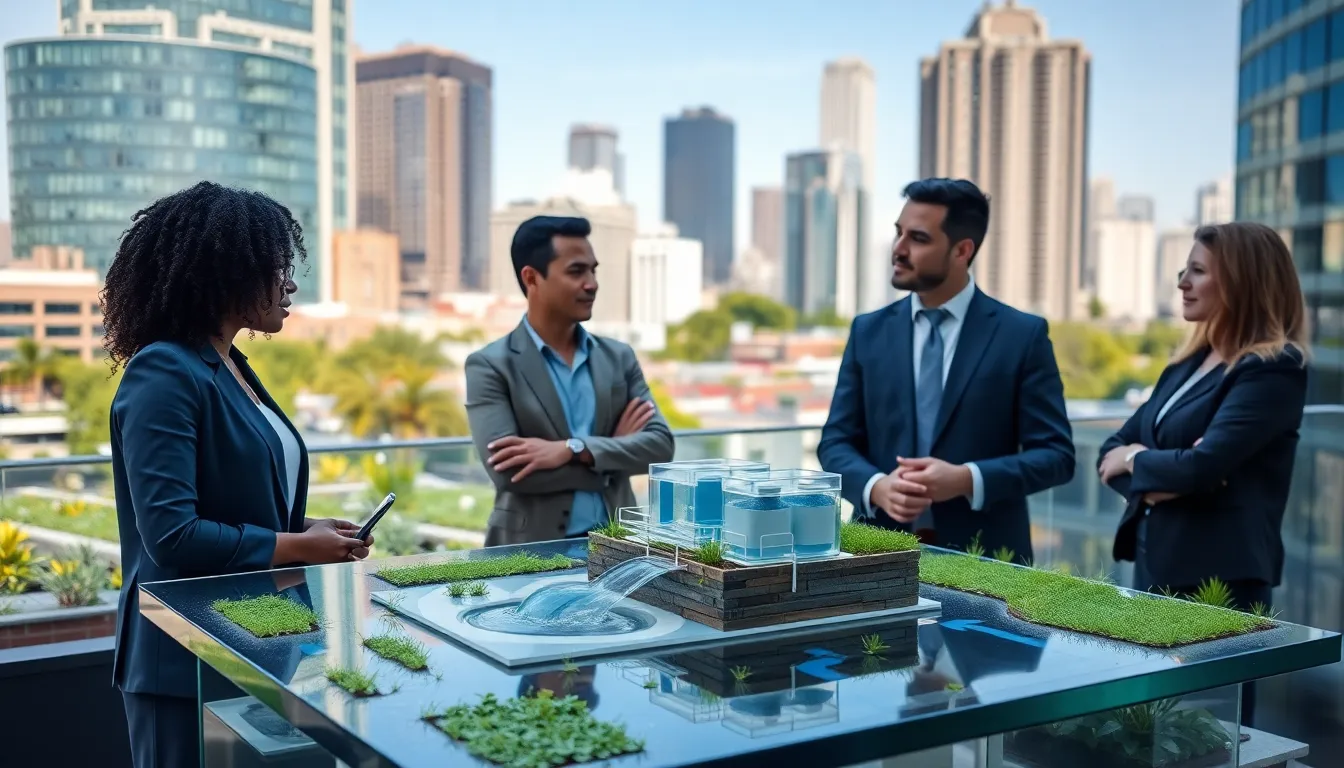
Hydaguay is a multifaceted approach focusing on the sustainable management and utilization of water resources in urban environments. The term, gaining traction in modern urban planning discussions, reflects a blend of hydraulic engineering, environmental science, and social responsibility. It emphasizes innovative solutions for capturing and reusing rainwater, managing stormwater, and integrating natural water systems into urban infrastructure.
In simpler terms, Hydaguay is all about harmonizing human needs with the planet’s natural processes. It strives to create a resilient water system that not only supports human activities but also preserves aquatic ecosystems. Imagine a city where rain doesn’t just run off rooftops but is captured, filtered, and reused, Hydaguay brings that vision closer to reality.
Historical Context of Hydaguay
The roots of Hydaguay can be traced back to ancient civilizations that recognized the importance of water in their survival. From the intricate aqueducts of Rome to the sophisticated irrigation systems of the Mesoamerican cultures, the historical context is rich. These societies faced similar challenges of water scarcity, flooding, and the need for efficient distribution.
Fast forward to the 20th century, industrialization swept across the globe, leading to rapid urbanization. This shift often neglected natural water cycles, causing issues like increased flooding and water shortages. Luckily, the turn of the millennium brought renewed awareness toward sustainable practices. So, concepts like Hydaguay emerged, blending historical knowledge with modern technology, promoting a sustainable coexistence with our ever-changing environment.
Key Benefits of Hydaguay
Hydaguay offers a plethora of benefits that extend far beyond mere water management. Here are a few standout advantages:
- Enhanced Water Quality: Through the use of biofiltration and green infrastructure, Hydaguay improves water quality, which reduces pollution and enhances public health.
- Flood Mitigation: Urban areas often face the brunt of heavy rainfall. Hydaguay implements systems like permeable pavements and green roofs to reduce runoff, mitigating the risk of flooding.
- Biodiversity Support: Creating green spaces with integrated water management supports local flora and fauna, fostering biodiversity in urban settings.
- Cost Efficiency: Investing in Hydaguay systems can lower long-term costs associated with water treatment, stormwater management, and infrastructure repairs.
- Community Engagement: These projects can involve the community in planning and implementation, fostering a sense of ownership and responsibility toward local water resources.
Implementing Hydaguay in Urban Planning
Implementing Hydaguay principles in urban planning requires a smart, collaborative approach. Here are some strategies cities can adopt:
- Integrated Water Management Systems: Cities should incorporate Hydaguay principles into their master plans, ensuring that water management is interconnected with urban development.
- Community Involvement: Engaging local residents in the planning process helps ensure that projects meet the community’s needs and adapt to local contexts.
- Policy Frameworks: Governments and municipalities should establish policies that encourage sustainable water management, supporting both public and private initiatives.
- Education: Raising awareness about Hydaguay and its benefits is crucial for securing public support and participation in projects.
By following these strategies, cities can begin to weave Hydaguay into the fabric of their urban environments, creating spaces that are as sustainable as they are livable.
Challenges Associated with Hydaguay
While Hydaguay presents compelling benefits, it’s not without its challenges:
- Funding and Investment: Securing financial resources for Hydaguay projects can prove difficult, especially in tight city budgets. Greener methods often require upfront costs that may deter investment.
- Regulatory Frameworks: Existing regulations may not support innovative water management practices, necessitating policy changes that can be slow and cumbersome.
- Public Perception: Some community members may be skeptical about new methods or may not see the value immediately, necessitating effective outreach and education.
- Climate Variability: Climate change poses uncertainties that complicate water management, requiring adaptive, resilient strategies to ensure systems can withstand environmental shifts.
Case Studies: Successful Hydaguay Projects
Across the globe, several cities have implemented Hydaguay principles successfully. Here are a few noteworthy examples:
- Singapore’s ABC Waters Programme: This initiative incorporates rain gardens, bioretention swales, and rooftop gardens across the city, successfully reducing runoff and improving water quality.
- Copenhagen’s Climate Adaptation Plan: Designed to combat flooding caused by climate change, the city has integrated green roofs and permeable surfaces to manage rainfall effectively.
- Los Angeles’ Green Streets Initiative: By implementing bioswales and other green infrastructure, this program aims to capture and treat stormwater while enhancing local green spaces, contributing to community well-being.
Future Trends in Hydaguay
As urbanization continues to grow, so too will the relevance of Hydaguay. Future trends may include:
- Smart Water Systems: Technologies like IoT will play a significant role in monitoring water usage and managing resources effectively.
- Nature-Based Solutions: Expect a stronger emphasis on restoring natural ecosystems as part of urban water management strategies, merging nature with technology.
- Collaborative Governance: Cities will increasingly see the benefits of partnerships with stakeholders, from the government to private companies, NGOs, and community members, to create comprehensive water solutions.