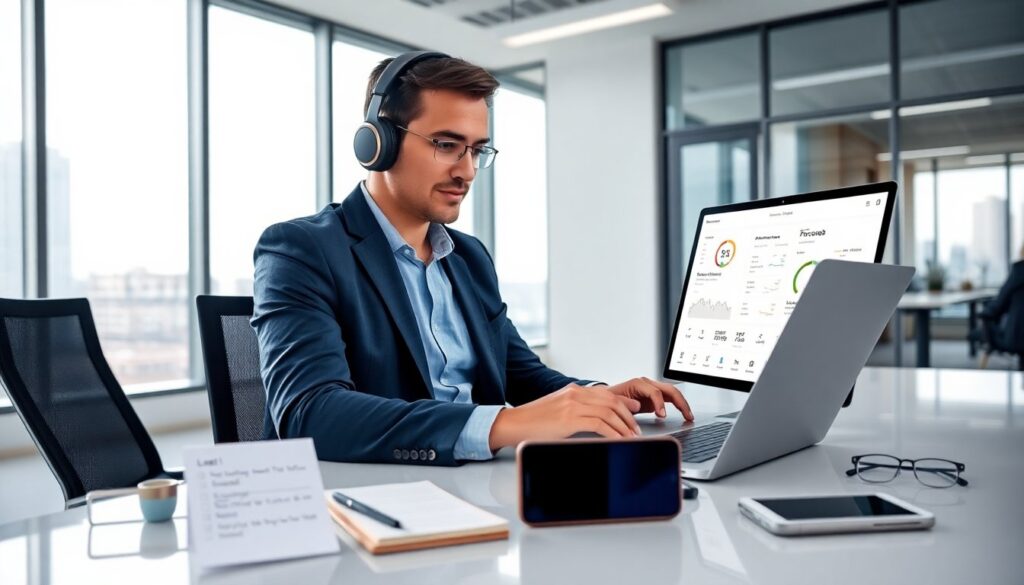
adhd performance sonic headphones nlturapaug appears in many searches for practical focus tools. The article explains how sonic headphones can help attention, regulate sensory input, and improve task work. It gives clear steps, settings, and warnings. It helps readers test options and form routines that fit daily life.
Key Takeaways
- Sonic headphones can improve ADHD performance by blocking distractions and providing controlled audio stimulation to enhance focus.
- Choosing headphones with adaptive noise control, adjustable sound profiles, and comfortable fit is essential for sustained use and effectiveness.
- Testing both noise cancellation and sound therapy modes helps users find the best setting for their specific tasks and environments.
- Using headphones in focused work intervals of 25 to 50 minutes, paired with clear goals and breaks, maximizes concentration benefits.
- Combining sonic headphones with task lists, movement breaks, and environmental adjustments further enhances ADHD task performance.
- Headphones should be part of a comprehensive ADHD management plan including behavioral strategies, coaching, and clinical guidance.
How ADHD Affects Focus, Energy, And Task Performance
ADHD reduces sustained attention and raises distractibility. The brain shifts attention quickly and loses track of goals. The body shows variable energy and erratic task pacing. The person may start tasks and leave them incomplete. Supervisors may note inconsistent output and missed details. The person often prefers movement or stimulation to stay engaged. The pattern causes stress and lowers productivity. The clinician may recommend behavioral strategies and environmental supports.
What Sonic Headphones Do: Noise Control, Stimulation, And Sensory Regulation
Sonic headphones block distracting sounds and deliver controlled audio. The device reduces external noise and provides steady input that the brain can use. The headphones add low-level stimulation that can keep attention steady. The user receives both silence and signal, depending on the setting. The device balances external sensory load and internal arousal. The person can shift settings to match task demands. The headphones can pair with apps that provide rhythms, white noise, or guided tracks.
Noise Cancellation Versus Sound Therapy: Which Helps ADHD More?
Noise cancellation removes distracting signals and helps concentration in noisy spaces. Sound therapy adds rhythmic or filtered sounds to support attention. The person benefits from noise cancellation when the environment has sudden interruptions. The person benefits from sound therapy when low stimulation causes mind wandering. The clinician or coach can test both options. The user can compare performance on timed tasks with each mode. The right choice depends on the person and the task.
Evidence And Reported Benefits: Research Findings And Real-World Use Cases
Researchers report mixed but promising results for sonic headphones with ADHD. Small trials show improved attention and task persistence with targeted sounds. Users report fewer distractions during study and work sessions. Teachers report better seat-time and task initiation in some students who use headphones. Clinicians warn that results vary with age and ADHD subtype. The evidence supports practical trials rather than firm claims. The person should track objective measures such as task time, errors, and subjective focus ratings.
Key Features To Look For When Choosing Headphones For ADHD
Buy headphones that offer adaptive noise control and adjustable sound profiles. Choose lightweight models that fit comfortably for long sessions. Pick devices with long battery life and reliable wireless range. Look for models that allow fine-grain volume and frequency adjustment. Select headphones that support companion apps and preset programs. Check for secure fit options for movement use. Prefer units with clear safety limits to prevent harmful volume. Read user reviews from people with attention needs to learn practical trade-offs.
How To Use Sonic Headphones Effectively: Settings, Routines, And Dos And Don’ts
The person should set volume to a steady, comfortable level and avoid peaks. The user should test noise cancellation and sound therapy in short trials. The person should use headphones for focused work blocks of 25 to 50 minutes and then take breaks. The user should pair headphones with clear goals and timers. The person should avoid using loud music as a distraction mask. The user should not rely solely on headphones for long-term management. The clinician should review any hearing concerns or mood changes.
Alternatives And Complementary Strategies To Maximize Performance
The person can combine headphones with task lists and visual timers for stronger results. They can add short movement breaks and goal checks to maintain energy. They can adjust lighting and workspace arrangement to reduce distractions. They can try focus apps that work with audio tracks and pomodoro timers. They can work with coaches to build routines and accountability. They can consider non-audio tools such as fidget tools or standing desks to vary sensory input. They can talk to clinicians about medication and therapy as part of a complete plan.