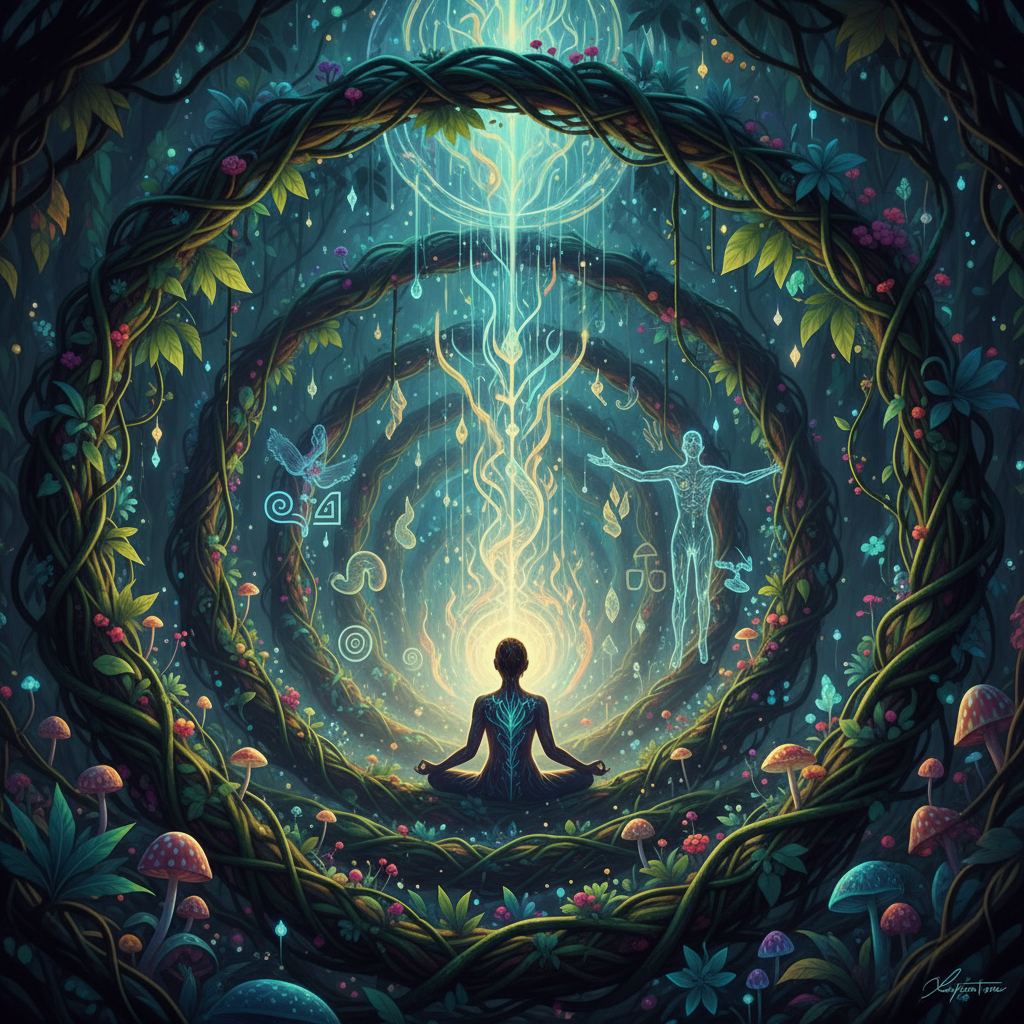
An ayahuasca trip can feel like stepping into another dimension of consciousness, and having a clear idea of what lies ahead makes all the difference. Whether you’re drawn by curiosity, healing, or a desire for spiritual insight, you’ll want to know how long the journey lasts, what unfolds along the way, and how to bring its lessons back into everyday life.
In this guide, you’ll find everything to know before an ayahuasca trip – from timing and stages to mental preparation, setting considerations, safety checkpoints, and post-ceremony integration. Treat these pointers as a roadmap: the more you prepare, the more you’ll be able to relax and embrace whatever arises.
Understand trip duration
Most ceremonies run between four and six hours, but the total time you spend in ceremony often stretches beyond that. From the moment you drink the bitter brew to the final echoes of insight, your timeline depends on several variables.
Typically, you’ll start noticing subtle shifts within 20 to 60 minutes of ingestion. These early effects may include mild nausea or a tingling sensation as the medicine moves through your body. The true crescendo comes next: a peak phase of vivid visions, emotional waves, and inner exploration that can last anywhere from two to six hours. Some stronger brews or higher doses push the limit toward eight hours, especially if the ceremonial leader administers booster doses mid-journey.
Once the peak subsides, you’ll drift into an afterglow phase marked by calm reflection, gentle mental clarity, and often a sense of profound peace. This window usually spans one to three hours before you fully return to baseline. In total, plan on being in ceremony – and recovery mode – for at least half a day.
Typical length
The core experience spans about four to six hours, though it may stretch to eight in deep-dive retreats. Always check with your facilitator about the ceremony structure and expected schedule.
Influencing factors
Your individual metabolism, body weight, and prior exposure to psychedelic substances shape how quickly and intensely you feel the effects. The potency of the brew – and whether a second serving is poured – also plays a major role. Finally, your mental and physical state at the outset can accelerate or delay each phase.
Explore experience stages
Your ayahuasca journey unfolds in three distinct stages. Understanding each helps you stay grounded as you move from anticipation to integration.
Onset phase
During the first hour, subtle shifts will greet you. Physical sensations such as nausea, shaking, or warmth often surface before the visionary component arrives. These early moments prepare your mind-body system for deeper work.
Peak visionary period
As the brew peaks, you may encounter vivid imagery, profound insights, and emotional releases. Some people see symbolic landscapes or ancestral figures, while others process unresolved trauma or unearth creative inspiration. Emotions can cycle rapidly – joy, fear, awe – so remind yourself that these currents are part of the healing.
Afterglow reflection
When the intensity subsides, your mind enters a gentle, reflective state. You may feel spaciousness, clarity, or gratitude. This is a perfect moment to note your impressions mentally or in a journal, even if you only capture fragmented phrases.
Prepare mind and body
A smooth ceremony often starts long before you sit in the maloca. How you frame your intention and care for your physical vessel sets a foundation for a transformative journey.
Mental preparation
Spend time clarifying why you’re seeking an ayahuasca experience. Write down questions or areas of your life you’d like to explore. Practicing meditation or gentle breath work in the days leading up to the ceremony can help center your thoughts and reduce pre-trip anxiety. Visualizing yourself moving through challenging moments with curiosity rather than fear primes your mind to stay present.
Physical preparation
Traditional diets for ayahuasca retreats recommend avoiding red meat, dairy, alcohol, caffeine, and processed foods for at least 24 to 48 hours beforehand. Light, plant-based meals support digestion and minimize nausea. Staying hydrated is crucial, but don’t overburden your system with excessive fluids right before the ceremony. A short fast – nothing heavier than fruit or a small salad three hours before drinking – often feels best.
Design supportive setting
The environment shapes the tone of your ayahuasca trip. From the people you share space with to the physical layout of the ceremony room, every detail matters.
Choosing a guide
An experienced facilitator or shaman reads energy in the room and helps you navigate turbulent moments. Look for someone who emphasizes safety, holds clear ceremonial protocols, and has testimonials from past participants. Trust in your guide’s presence is essential when visions turn intense or overwhelming.
Crafting the space
Ceremonies usually take place in low light, with candles or soft lamps. Blankets and cushions offer comfort as you spend hours seated or laid out on mats. Gentle music or icaros (traditional healing songs) support the medicine’s flow. Aim for a clean, uncluttered area where you can focus inward without distractions.
Monitor safety and risks
Ayahuasca is powerful – and not without potential complications. A little due diligence goes a long way toward a secure, respectful experience.
Medical consultations
Certain medications, especially SSRIs or MAO inhibitors, can interact dangerously with ayahuasca’s MAO-inhibiting components. If you take prescription drugs, consult a healthcare professional familiar with plant medicine before signing up for a ceremony. Blood pressure issues, epilepsy, and heart conditions may also pose risks.
Navigating emotional challenges
Intense emotional releases – crying, shaking, or confronting past trauma – are common. Having a sober sitter or assistant nearby ensures you’re supported if you need grounding. Discuss coping strategies with your guide in advance, such as focusing on breath or repeating a personal mantra. Remember that challenging emotions, while uncomfortable, often lead to breakthroughs.
Integrate insights afterward
The days and weeks following your ceremony are as important as the trip itself. Integration turns fleeting visions into lasting growth.
Journaling practices
Within hours of the ceremony, capture key images, phrases, or feelings in writing. These raw impressions often fade quickly, so seizing them in the moment cements their lessons. Over the following days, revisit your notes and look for patterns or guidance that apply to daily life.
Community integration
Sharing your experience with a trusted friend, integration group, or therapist deepens your understanding. Hearing others’ journeys reminds you that you’re not alone in the emotional landscapes you navigated. Some retreat centers even offer post-ceremony circles or one-on-one support sessions – take advantage of those resources if they’re available.
Ayahuasca offers a potent mix of visionary imagery, emotional release, and spiritual insight. By learning how long the journey lasts, recognizing the stages, preparing your mind and body, creating a safe setting, monitoring potential risks, and weaving your insights into daily life, you empower yourself to make the most of this profound plant medicine ceremony. Approach each phase with openness and respect, and you’ll return with clarity, healing, and a deeper connection to yourself.