
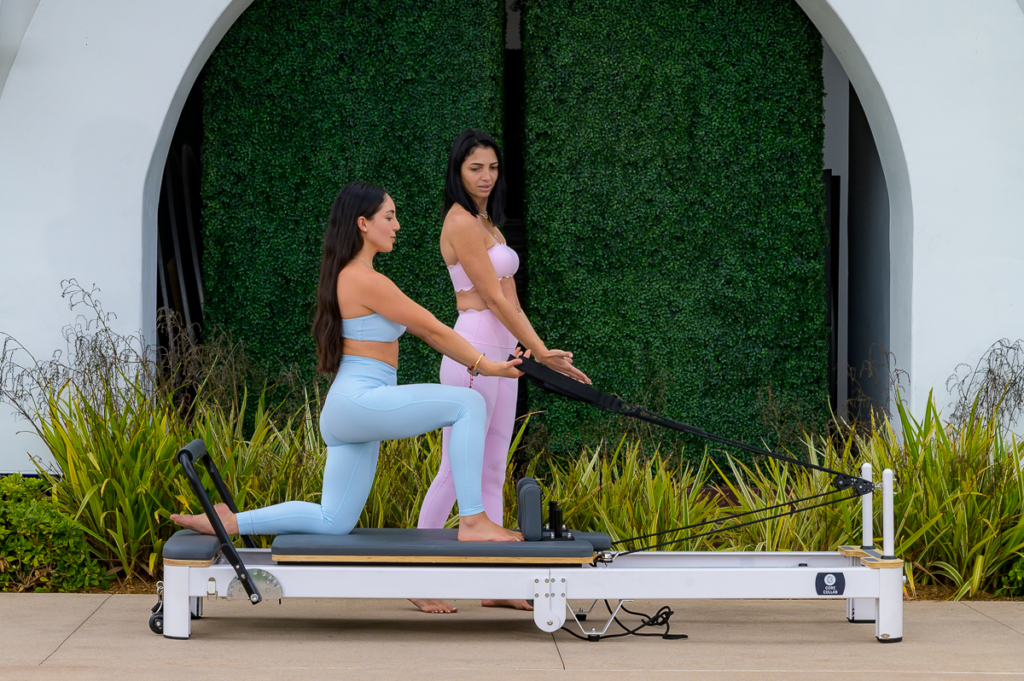
People often move through the day with more tension than they notice. The shoulders tighten during work. The breath shortens during stress. The body holds on to these little moments, and they begin to add up. Conscious, slower training helps unwind that build up so the body can settle into a calmer rhythm. That shift can support hormone balance and improve the steady energy people look for in daily life.
.
Fast workouts can feel exciting. They offer quick bursts of movement and loud signals that make the body feel busy. Slower training has a different purpose. It gives the body time to understand each step.
Why Slower Movement Helps the Body Relax
When one moves quickly, the body responds by producing stress hormones. This is a response that is effective in the course of vigorous training, and this will cause the system to feel fatigued at a later time.
.
Controlled movement helps the breath stay steady. Muscles soften instead of bracing. The body no longer rushes to keep up with rapid changes. This creates a chain reaction. Stress drops. The mind becomes clearer. The nervous system slows down enough for hormone signals to become smoother and more predictable.
.
Information from the Better Health Channel explains that cortisol, the body’s main stress hormone, rises during ongoing stress and that long-term high levels can affect energy, sleep, and overall health, which is why calming daily routines matter.
.
People notice this even with simple motions. A slow reach. A gentle press. A quiet stretch. The body responds with ease instead of tension, and that small difference influences overall balance.
How Conscious Strength Shapes Hormone Health
Hormones influence nearly every part of daily wellness. Energy, hunger, calmness, and sleep all connect back to hormone signals. Slow strength work supports these signals by reducing the pressure placed on the system.
.
Steady training helps the body:
.
- Relax the muscles around the ribs
- breathe in a fuller, softer way
- lower stress responses
- improve sleep patterns
- regulate appetite more naturally
.
Some people find it easier to learn this kind of slow, intentional control when using a steady home routine supported by a smooth reformer-based setup that guides movement without strain.
Supportive Tools That Encourage Controlled Movement
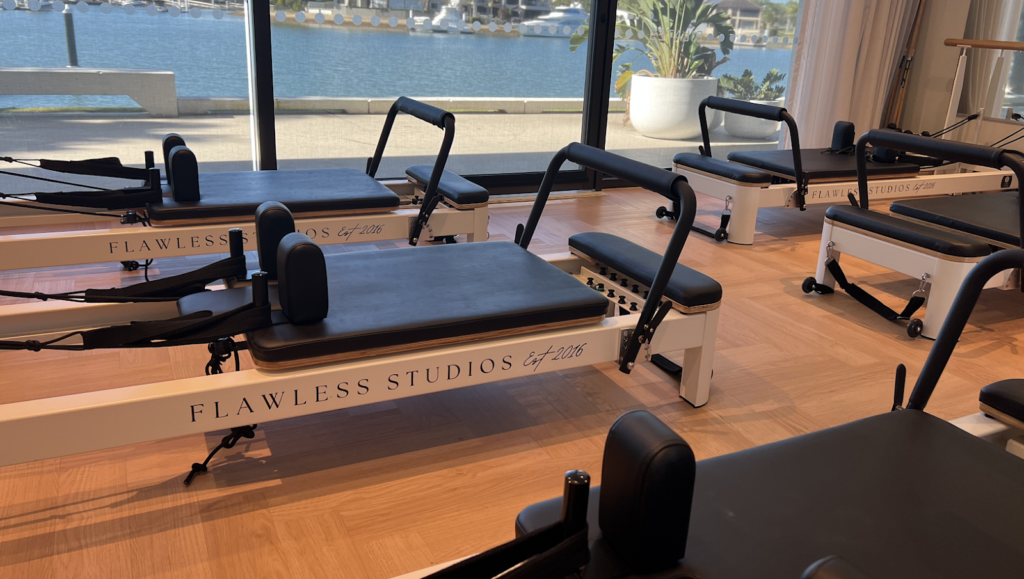
Many people find conscious training easier when they use equipment that guides smooth, predictable movement. Home routines often include a gentle setup that encourages steady patterns. Some choose a guided approach that uses a supportive environment, especially when exploring slower exercises on a balanced home routine shaped by a controlled reformer platform.
.
A smooth reformer helps the body stay centred. It teaches muscles to engage with intention. The glide helps movement follow a natural path. Light resistance keeps the joints safe and encourages deeper control. These details matter when the goal is calm strength instead of quick intensity.
.
People who want a stable setup at home often look for ways to purchase reformer pilates machine styles that support steady training without heavy impact. The consistent motion helps the body build strength without rushing.
.
This kind of equipment is helpful for anyone who prefers a quiet, guided approach to movement. It encourages the body to slow down and move with care.
.
Steady Movement Supports Better Energy
Daily energy does not come from intensity alone. It comes from balance. When movement slows, the body stops wasting energy on stress. It begins to use energy more efficiently.
.
Conscious training helps:
.
- Reduce tension in the shoulders and spine
- Improve circulation
- Encourage deeper breathing
- Support better sleep
- Calm the mind
People often feel more awake after slow movement sessions. The energy feels clean and steady, not jittery or short-lived.
.
Healthdirect Australia notes that regular physical activity can improve mood, reduce stress, and support better sleep, all of which contribute to more stable daily energy.
.
This kind of energy supports daily life. It helps people handle long work days, active schedules, and emotional stress with more ease.
Why This Method Feels Easier on the Joints
Fast workouts shift weight quickly. This can place pressure on the knees, hips, and lower back. Conscious movement avoids that strain. The body has time to adjust to each position. Joints stay aligned, and muscles provide support instead of force. Additional stability, like Doc Ortho foot supports, can further help distribute pressure and reduce stress on the lower body during movement.
.
Slower patterns help:
.
- Soften the load on the knees
- Stabilise the hips
- Srotect the spine
- Improve ankle balance
- Relieve neck tension
A Calm Routine That Fits into Daily Life
A mindful routine does not need complicated steps. It fits easily into quiet moments at home.
.
Many people enjoy a simple pattern such as:
.
- Slow breathing to open the ribs: This helps reduce the tightness that builds during the day.
- Gentle mobility work: Soft circles in the hips, shoulders, or ankles ease stiffness.
- Calm core activation: Steady engagement helps support posture and breathing.
- Slow lower body strength: Controlled leg work helps stabilise the hips.
- Soft upper body movements: Gentle pushing or pulling helps balance shoulder tension.
- Light stretching to finish: This leaves the body open and relaxed.
Why Hormone Balance Improves With Slower Exercise
When the body stops rushing, hormone signals become clearer. The body moves away from stress-driven responses and toward natural rhythms.
.
This helps with:
.
- Mood stability
- Sleep quality
- Appetite control
- Smoother energy flow
- Improved recovery
Final Thoughts
Conscious, slower training supports the body in ways that fast routines often cannot. It helps the nervous system relax. It encourages deeper breathing and smoother movement. It strengthens the body without overwhelming it. These shifts support hormone balance and create steady, lasting energy throughout the day.
.
Supportive tools can make the practice even more enjoyable. Guided motion on a stable platform helps the body feel safe and centred. Slow training becomes easier to follow and more calming to repeat. The body responds with clarity, strength, and a naturally grounded sense of wellbeing.