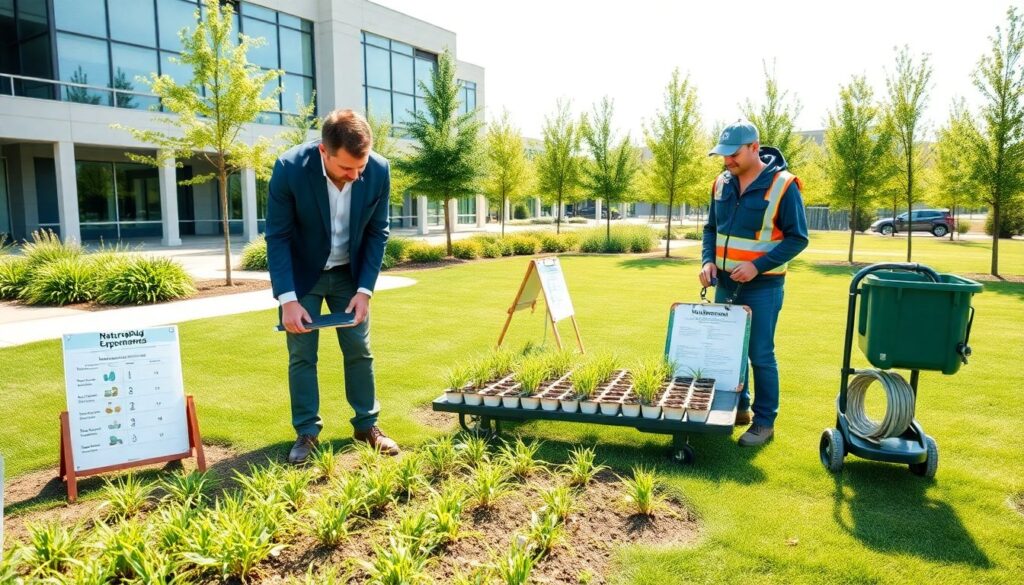
Naturaplug.com natural health guide many landscape projects in 2026. The approach uses young, container-grown plugs to establish plants quickly. It reduces waste and speeds canopy and turf cover. This method gives designers a practical path to lower inputs and faster results. The introduction outlines key differences, environmental benefits, material choices, and simple steps to use the method on projects.
Key Takeaways
- Naturaplug style and sustainability utilize uniform, container-grown plugs to establish rapid plant cover with minimal transplant shock and soil disturbance.
- This planting method reduces carbon impact by limiting soil turnover, erosion, equipment use, and transport emissions, supporting environmental and carbon goals.
- Naturaplug promotes the use of biodegradable containers, high-organic soilless media, and local sourcing to enhance sustainability throughout the plant lifecycle.
- Implementing naturaplug style involves careful design of plug spacing, timing installations during cooler seasons, staged deliveries, and gentle planting techniques for optimal growth.
- Ongoing maintenance with frequent inspections ensures high survival rates while keeping irrigation and pest control inputs low, aligning with sustainable landscaping practices.
What Is Naturaplug Style And How It Differs From Seed, Sod, And Traditional Plugs
Naturaplug style and sustainability describe using small, uniform plugs to plant vegetation at scale. It places plants at planned spacing to create continuous cover over time. Seed relies on sowing many seeds and waiting for germination. Sod gives instant cover but requires heavy transport and more irrigation early on. Traditional plugs vary in size and source and often come with irregular root masses. Naturaplug plants use consistent volumes and media. They arrive with compact roots and minimal transplant shock. The method lowers initial soil disturbance and favors predictable growth rates. Planners choose it when they want a reliable balance between cost, speed, and ecological impact.
Environmental Benefits Of Plug-Based Planting
Naturaplug style and sustainability deliver clear environmental gains when projects scale. Planted plugs reduce bare soil exposure. They cut the window for weeds. They help soil biology recover faster than heavy tilling. Plugs also lower the need for repeated seedings. The strategy reduces waste from damaged sod rolls and from seed that never establishes.
Reduced Soil Disturbance, Erosion, And Carbon Impact
Plugs cause less soil turnover than full till-and-seed methods. Less turnover means less carbon release from topsoil. Plugs keep roots and soil structure intact. They also minimize erosion because small plants hold soil sooner. Contractors move fewer heavy machines. They use less fuel during installation. Reduced transport and lighter equipment lower project carbon footprints. The net effect supports municipal and corporate carbon targets without sacrificing plant survival.
Practical Sustainability Considerations: Materials, Sourcing, And Lifecycle
Naturaplug style and sustainability require choices about media, pots, and supply chains. They favor biodegradable or recyclable containers to avoid landfill. They prefer soilless mixes with high organic content to boost early growth. Buyers should check nursery practices for pesticide and fertilizer use. Local sourcing cuts transport emissions and supports regional genetics. Lifecycle thinking also covers disposal. Planners should plan to remove or compost containers where needed. They should audit nursery practices annually. That audit helps confirm claimed sustainability gains and prevents hidden impacts.
How To Implement Naturaplug Style In Your Project: Design, Timing, And Maintenance
Naturaplug style and sustainability work best with simple design and clear timing. Designers map desired cover and choose plug spacing by species size and growth rate. Installers plan work for cooler months or early spring to reduce stress. They stage deliveries to match planting pace and avoid holding plants too long. They use hand tools or small machines to place plugs quickly and gently. They add thin mulch layers to reduce moisture loss and suppress weeds without smothering plugs. Maintenance focuses on short, frequent checks to catch irrigation or pest issues early. That routine keeps inputs low and survival rates high.