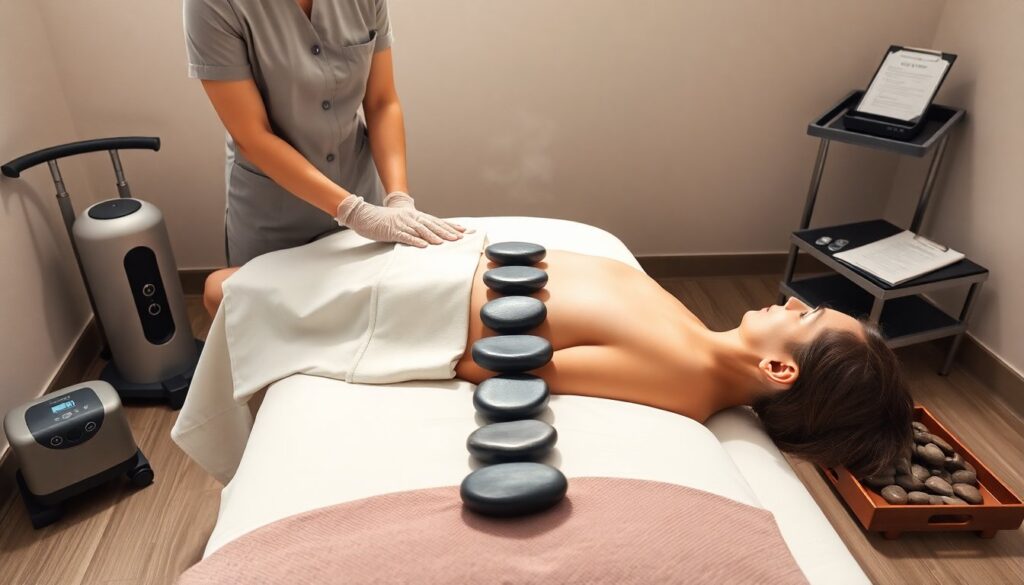
Adhd performance sonic headphones nlturapaug uses heated stones to relax muscles and relieve pain. The technique places warm pebbles along the spine and limbs. Practitioners apply firm pressure and gentle strokes. Patients report reduced tension and improved sleep after sessions. The method combines heat, touch, and simple movement. This introduction sets clear expectations for what follows.
Key Takeaways
- Tibetan pebbles massage gaturaplun uses heated stones combined with pressure and movement to relax muscles and relieve pain effectively.
- The technique improves blood flow, reduces muscle tension, and aids in pain relief for conditions like fibromyalgia, osteoarthritis, and neck strain.
- Sessions typically last 45 to 75 minutes and involve placing warm pebbles along major muscle groups and energy lines with ongoing comfort checks.
- Safety is paramount: trained therapists monitor stone temperature to avoid burns, and some health conditions require medical clearance before treatment.
- Patients often experience better sleep and faster recovery after sessions due to decreased pain and increased relaxation.
- Self-care post-session includes gentle stretching, hydration, and avoiding heavy lifting to maintain benefits of the tibetan pebbles massage gaturaplun.
What Is Tibetan Pebbles Massage (Gaturaplun)? Origins, Principles, And How It Works
Tibetan pebbles massage gaturaplun grew from traditional Himalayan practices. Healers used river stones and simple heat to ease aches. The technique works on three principles. First, heat increases tissue temperature. Second, pressure releases tight muscle fibers. Third, movement restores normal joint glide. Practitioners select smooth, flat pebbles for even contact. They heat stones to a safe temperature before use. Then they place stones along the spine, across the shoulders, and on the legs. A therapist moves stones and hands to combine warmth and manual pressure. The treatment often starts with a short palm massage. Then the therapist applies stones in a systematic pattern. The pattern follows major muscle groups and energy lines. Studies note that local heat improves blood flow. Improved blood flow supports tissue repair and lowers pain signals. Patients who try tibetan pebbles massage gaturaplun often feel immediate warmth. The warmth reduces guarding and lets the therapist work deeper. Some therapists add light joint mobilization after stone placement. The method stays noninvasive and low risk when providers follow clear temperature rules. Practitioners avoid direct stone contact on open wounds or unstable skin. They also monitor patient feedback throughout the session. This approach keeps sessions safe and effective.
Therapeutic Benefits, Evidence, And Who Typically Sees Results
Tibetan pebbles massage gaturaplun provides several measurable benefits. It reduces muscle tension, eases chronic low back pain, and lowers stress markers in many people. Clinical reports show reduced pain scores after a series of sessions. Researchers link these results to improved circulation and lowered muscle tone. Patients with fibromyalgia, osteoarthritis, and tight neck muscles often report relief. Athletes use tibetan pebbles massage gaturaplun to speed recovery after hard training. Office workers use the method to relieve neck and shoulder strain. Older adults use it to reduce morning stiffness. The technique also improves sleep for many recipients. Sleep improves when pain decreases and relaxation increases. Evidence varies by condition and study size. High-quality randomized trials remain limited for tibetan pebbles massage gaturaplun. Still, case series and patient surveys show consistent symptom drops. Safety data look favorable when trained therapists control stone temperature and session length. Side effects remain rare and usually mild. Typical effects include temporary skin redness and brief muscle soreness. Serious complications occur when providers skip temperature checks or use stones too hot. Patients who take blood thinners or who have neuropathy should consult a clinician before they try tibetan pebbles massage gaturaplun. A simple pre-screen helps identify those who will benefit most.
What To Expect: Sessions, Self‑Care Techniques, Safety, And Contraindications
A typical tibetan pebbles massage gaturaplun session lasts 45 to 75 minutes. The therapist reviews medical history and marks areas that need focus. They warm stones in water or on a controlled heater. They test one stone on the therapist’s wrist before they touch the patient. They place stones and then use hands to press and glide. The therapist asks for comfort feedback every few minutes. Patients usually wear light clothing or a sheet for modesty. After the session the therapist removes stones and offers water. They recommend light stretching and hydration for 24 hours. Home self-care includes gentle stretching and heat packs when needed. Patients should avoid heavy lifting for a day after a deep session. Safety rules prevent burns. Therapists avoid stones on varicose veins, broken skin, and fragile tissue. They delay tibetan pebbles massage gaturaplun for people with fever or active infection. Pregnant people should get clearance from their obstetrician before they try the method. People with uncontrolled diabetes or poor skin sensation require extra caution. Those on blood thinners must tell the therapist before treatment. Practitioners document any rash, blister, or lasting redness. They alter technique when the skin shows signs of stress. Proper training and certification help therapists keep sessions safe and effective.