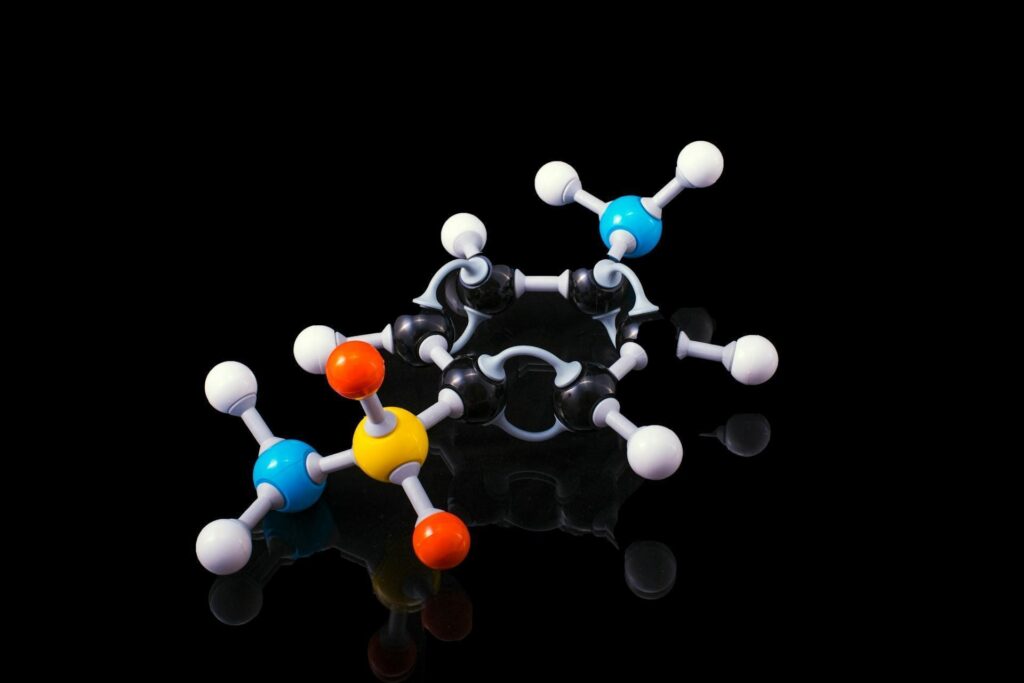
Proteins get most of the attention in biology class, but their smaller cousins are the true unsung heroes of molecular science. If you have spent any time looking into modern biological studies, cellular health, or biotechnology, you have likely heard the term thrown around. But if you do not have a Ph.D. in biochemistry, you might be wondering what these compounds actually do.
Here at IRON Peptides, we know that diving into the complex world of research peptides can feel a bit overwhelming at first. That is exactly why we put together this guide. We believe in making high-quality scientific information accessible, so you can understand the materials driving tomorrow’s biomedical breakthroughs.
In this guide, we will explore exactly what research peptides are, how they work inside the body, and why they are so crucial to modern scientific studies. You will walk away with a clear, practical understanding of these fascinating molecules.
What Exactly Are Research Peptides?
To understand research peptides, you first need to understand amino acids. Amino acids are organic compounds that serve as the fundamental building blocks of life. When amino acids link together in a chain, they form biological molecules.
The length of this chain determines what we call the molecule. If the chain is incredibly long—usually more than 50 amino acids—it folds into a complex 3D shape and becomes a protein. If the chain is short—typically between 2 and 50 amino acids—it is called a peptide.
Therefore, research peptides are simply short chains of amino acids that scientists synthesize and study in laboratory settings. Because they are smaller than full proteins, they are easier for the body to absorb, easier to synthesize in a lab, and highly specific in their functions. Researchers use them strictly for in-vitro (outside a living organism) and laboratory experimentation to understand cellular processes.
How Do Research Peptides Work?
Think of peptides as biological messengers. Inside a living organism, cells constantly need to communicate with one another to keep everything running smoothly. Peptides help facilitate this conversation.
They travel through the bloodstream and bind to specific receptors on the surface of cells. You can picture the receptor as a lock and the peptide as the key. When the right peptide finds the right receptor, it unlocks a specific cellular response.
This response might instruct the cell to:
- Release a specific hormone
- Reduce cellular inflammation
- Speed up tissue repair
- Alter immune system responses
Because different research peptides have different sequences of amino acids, they act as unique keys for entirely different locks. This precision is what makes them so valuable to scientists.
Why Are Research Peptides Important in Science?
The scientific community is paying close attention to research peptides for several compelling reasons. They offer a unique combination of precision, safety, and versatility that traditional chemical compounds often lack.
High Specificity and Precision
Traditional chemical drugs often cause widespread effects throughout the body, leading to unwanted side effects. Because peptides act like highly specific keys, they only interact with their designated cellular locks. Researchers can study these targeted interactions to develop highly precise interventions for specific cellular pathways.
Better Safety Profiles
Since peptides are made of natural amino acids, they eventually break down into harmless byproducts that the body easily recycles or eliminates. This makes them inherently less toxic than many synthetic chemicals, offering a safer baseline for experimental treatments.
Unlocking New Medical Treatments
Research peptides sit at the forefront of drug discovery. Scientists currently study them to understand how to manage metabolic disorders, improve immune function, and accelerate wound healing. By understanding how specific peptide sequences influence cellular behavior, researchers can pave the way for entirely new classes of therapeutic drugs.
Common Categories of Research Peptides
Scientists classify research peptides based on what they do and where they act in biological systems. While there are thousands of unique sequences, most fall into a few broad categories:
Neuropeptides
These peptides interact directly with the central nervous system. They act as neurotransmitters or neuromodulators, influencing brain activity, pain perception, and mood. Researchers study them to understand neurological conditions and pain management.
Antimicrobial Peptides
Nature’s original antibiotics, antimicrobial peptides help organisms fight off harmful bacteria, viruses, and fungi. With antibiotic resistance becoming a global health crisis, researchers are intensely studying these peptides as potential alternatives to traditional antibiotics.
Hormone Peptides
Many hormones in the body, such as insulin, are actually peptides. Researchers synthesize these hormone peptides to study metabolic regulation, growth factors, and endocrine system disorders.
Best Practices for Handling Research Peptides
If you work in a laboratory setting, handling research peptides requires care and precision. Because they are biological molecules, they are fragile and can easily degrade if exposed to the wrong conditions.
- Temperature Control: Most peptides require storage at extremely low temperatures to remain stable. Researchers typically store lyophilized (freeze-dried) peptides at -20°C.
- Reconstitution: Before use, scientists must mix the freeze-dried peptide powder with a sterile solvent, usually bacteriostatic water.
- Avoiding Degradation: Repeated freezing and thawing can break the delicate amino acid bonds. Researchers generally divide reconstituted peptides into smaller, single-use aliquots to preserve their integrity.
Conclusion
Research peptides are much more than just biological jargon. These short chains of amino acids act as highly specific messengers, unlocking targeted cellular responses that drive critical bodily functions. For the scientific community, they represent a precise, versatile, and natural tool for understanding disease, cellular repair, and physiological optimization.
As we continue to decode the language of our cells, research peptides will undoubtedly remain at the center of groundbreaking biomedical discoveries.
Ready to dive deeper into the science, or looking for high-quality materials for your next laboratory project? Explore the extensive resources and premium products available at Iron Peptides today, and let our experts support your scientific journey.