
Leg health is crucial for overall well-being, yet many individuals experience venous insufficiency and other vein-related conditions that can significantly impact quality of life. For those seeking expert care, Metro Vein Centers offer advanced treatment solutions designed to address these issues effectively.
This article explores common symptoms and causes of vein problems, highlights innovative treatment options, and emphasizes the role of lifestyle changes in promoting long-term vein health. By understanding these strategies, individuals can take proactive steps to maintain comfortable, healthy legs and improve overall wellness.
Understanding Vein Health and Common Conditions
Vein health is central to the proper circulation of blood throughout the body. When veins do not function effectively, it can lead to various health issues.
Symptoms of Venous Insufficiency
Common symptoms include leg swelling, cramping, pain during prolonged sitting or standing, and the appearance of varicose veins. These signs indicate that the valves in the veins may not be working properly, preventing blood from returning to the heart efficiently.
Common Causes of Vein Issues
Several factors contribute to vein problems, including genetics, age, obesity, sedentary lifestyle, and certain occupations that require prolonged periods of sitting or standing. Identifying the underlying causes of venous insufficiency can aid in selecting the most effective treatment methods.
Advancements in Modern Vein Treatments
Recent advancements in medical technology have transformed the landscape of vein treatments, making procedures less invasive and recovery times shorter.
Minimally Invasive Techniques
Minimally invasive procedures such as endovenous laser therapy, sclerotherapy, and radiofrequency ablation have become the gold standard for treating vein issues, offering patients effective solutions with quicker recovery times.
Endovenous Laser Therapy (EVLT)
EVLT uses laser energy to close off problematic veins. A thin laser fiber is inserted through a small incision in the skin to deliver targeted energy to the vein, causing it to collapse and eventually be absorbed by the body. This technique minimizes discomfort and can often be completed within an hour.
Sclerotherapy
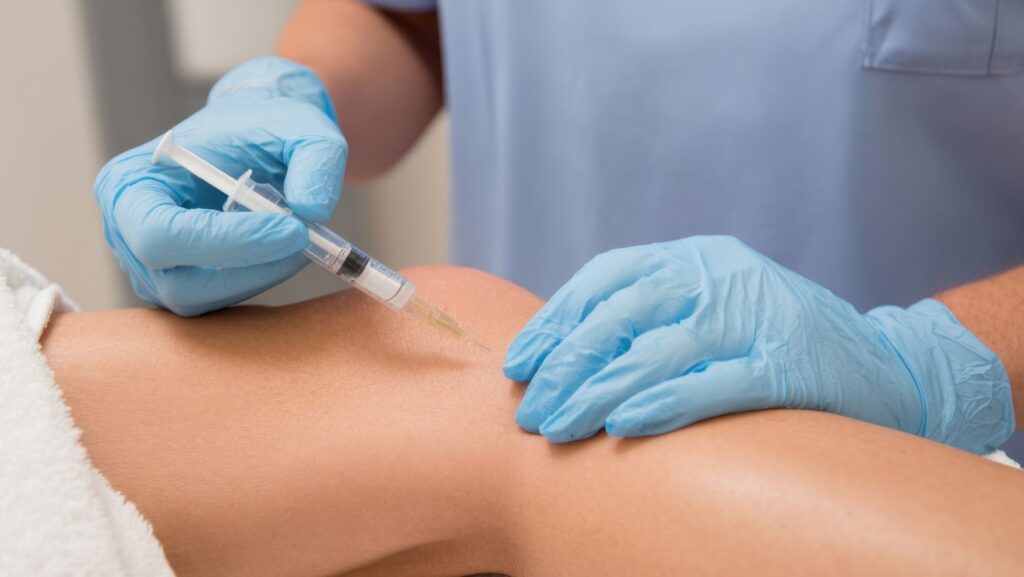
Sclerotherapy involves injecting a solution directly into the affected vein, which causes it to scar and close off. This treatment is particularly effective for varicose and spider veins, and it usually requires no downtime, making it accessible for many patients.
Radiofrequency Ablation (RFA)
Radiofrequency ablation involves the use of radio waves to heat the vein, leading to its closure. This technique is similar to EVLT but uses a different energy source. Patients typically report less discomfort compared to traditional surgical methods.
Lifestyle Changes and Preventive Measures
While modern treatments are highly effective, adopting a proactive approach through lifestyle changes can significantly enhance vein health.
Diet and Exercise Recommendations
A balanced diet rich in fiber and low in sodium can reduce the risk of vein problems. Regular exercise, especially activities that promote leg muscle pumping (like walking or cycling), can help improve circulation and decrease symptoms of venous insufficiency.
Compression Therapy
Compression stockings are often recommended for individuals with vein issues.

They apply graduated pressure to the legs, which helps improve blood circulation and alleviates swelling and discomfort.
When to Seek Professional Help
Determining when to seek help from a specialist can be challenging for individuals experiencing vein-related issues.
Choosing the Right Specialist for Treatment
It is essential to consult with a healthcare provider specializing in vascular or vein health. Look for board-certified specialists who are well-versed in the latest treatment options and patient care.
Questions to Ask Your Vein Specialist
Patients should feel empowered to ask their specialists about the treatments available, expected outcomes, potential risks, and what to expect during the recovery process. Questions about the specialist’s experience and case studies of past patients can also provide peace of mind.
Conclusion
Modern vein treatment solutions have drastically improved the ability to manage and treat venous insufficiency and related conditions. By understanding the symptoms and causes, exploring innovative treatment options, and adopting healthy lifestyle practices, individuals can significantly enhance their leg health. Early intervention and personalized care are key to preventing more severe complications and ensuring long-term wellness.