

Have you ever heard the term “yuumeilin” and thought, what on earth does that mean? Well, join us as we jump into the captivating realm of yuumeilin. Not only is this concept steeped in cultural significance, but it’s also a treasure trove of fascinating stories and interpretations. Buckle up because we’re about to unravel the beauty and importance of yuumeilin, making it as fun as it is enlightening.
Yuumeilin
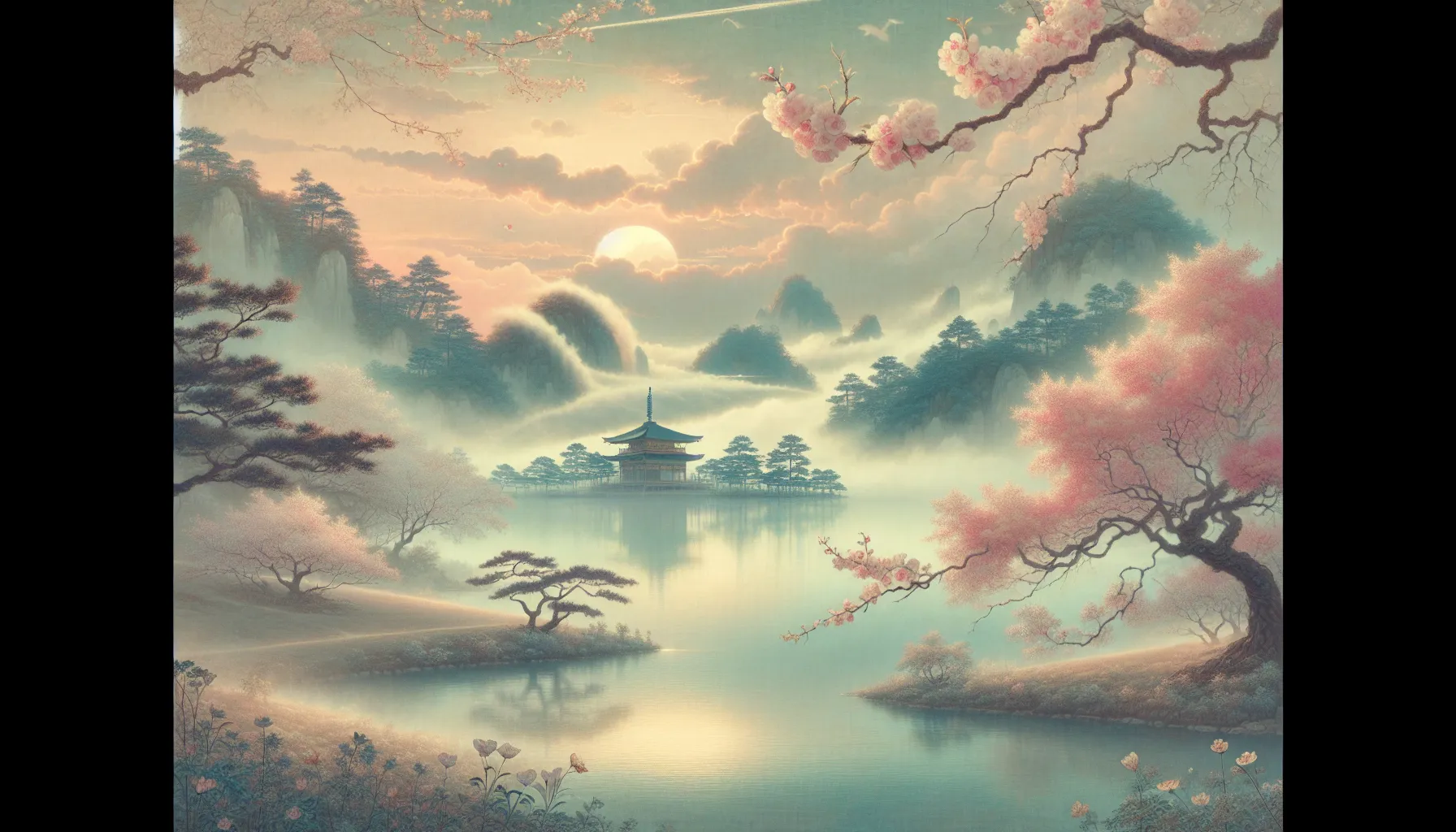
To understand the significance of yuumeilin, we first need to look at its origins. This term is deeply rooted in Japanese culture, blending elements of mythology and art. In its essence, yuumeilin embodies the idea of dreams or visions, often connected to the ethereal and the mystical. Picture a serene landscape in Japan, where dreams blend seamlessly into reality. This blending is what yuumeilin captures, an intersection of imagination and reality that has captivated minds for centuries.
The origins trace back to Japanese folklore. Stories abound of dream-like states influencing art, poetry, and even daily living. These narratives often reflect the Japanese people’s resilience and creativity, showcasing how dreams could inspire action and hope. We can appreciate the way these ancient influences persist, guiding contemporary interpretations and enriching our understanding of yuumeilin.
Cultural Impact and Representation
Yuumeilin’s impact stretches beyond folklore and finds its way into various cultural representations. From literature to the visual arts, its influence is profound. When we explore Japanese literature, characters often navigate between the dream world and reality, mirroring the nuances of yuumeilin. This balance becomes a narrative device that captivates readers, inviting them to question their perceptions of reality.
Similarly, we witness the representation of yuumeilin in visual art. Artists have portrayed dreamscapes that capture the essence of this concept beautifully. Many Japanese artists, both historical and contemporary, use vibrant colors and surreal elements to invent worlds where dreams are as tangible as the wind.
Such representations enrich our appreciation of cultural narratives and allow us to experience elements of yuumeilin in various forms. We must acknowledge how these representations shaped not only artistic expressions but also our understanding of self and existence.
Modern Interpretations of Yuumeilin
Today, we observe a fascinating evolution of yuumeilin, with modern interpretations adding new dimensions. In contemporary discussions, it often relates to personal growth and self-discovery. We, as a society, have begun to embrace the idea that our dreams can guide us toward our true selves, pushing the boundaries of inspiration.
One of the most notable turns in modern interpretations is the incorporation of digital mediums. Artists and creators use technology to manifest their visions in unique ways, enabling us to experience yuumeilin as a living, breathing concept. Virtual reality installations allow us to step inside these dreamscapes, blurring the lines between art and audience in a genuinely collaborative experience.
As we navigate the complexities of modern life, the relevance of yuumeilin resonates more than ever. It prompts us to explore our inner landscapes, unraveling layers of our aspirations and desires.
The Aesthetic and Artistic Influence of Yuumeilin
The aesthetic appeal of yuumeilin is palpable in the art world today. Artists worldwide are continuously inspired by Japanese aesthetics, often infusing their work with elements that reflect this concept. We observe how textures, colors, and forms resonate with dream-like qualities, creating a visual language that transcends cultural boundaries.
This artistic reverberation invites us to appreciate the depth of experiences that yuumeilin fosters. Many contemporary artists challenge traditional norms, merging different styles and techniques to expand the visual interpretations of dreams. This synthesis creates a dialogue about the transformative power of dreaming and how it influences creativity. It’s a wonderful testament to how connected we all are through our shared experiences of dreaming and aspiration.
By understanding the artistic influence of yuumeilin, we find ourselves engaged in a global conversation about identity, creativity, and the essence of life.