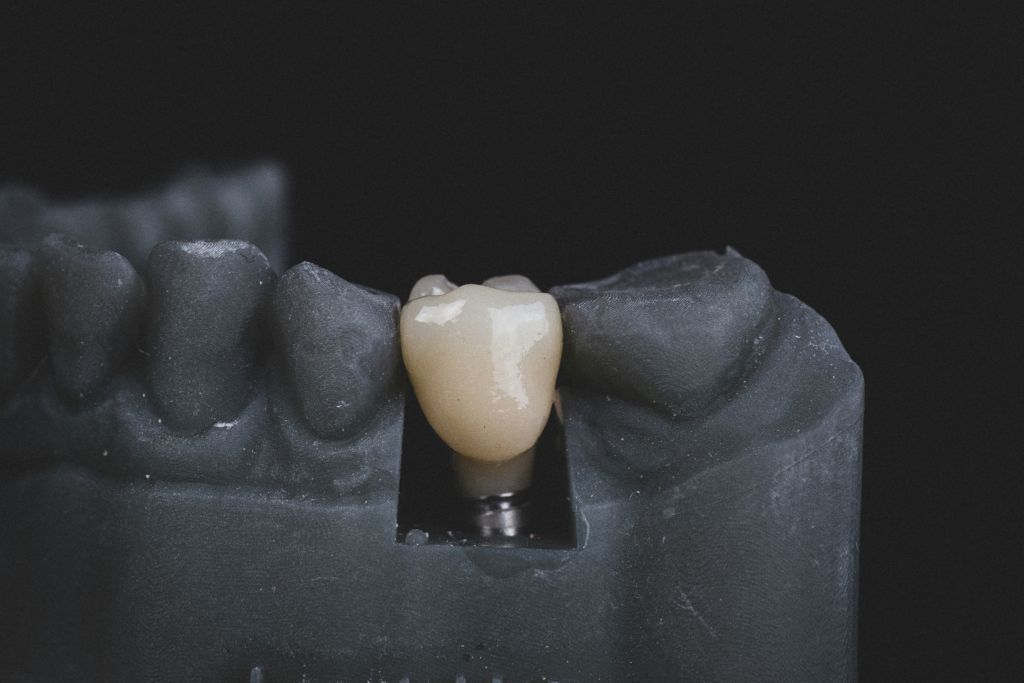
For anyone who has lost a tooth, the impact goes beyond a simple gap in a smile. It affects how you speak, what you can eat, and how you feel when meeting someone new. While dentures and bridges have served as the standard solutions for decades, dental implants offer permanent, structurally sound alternative. Understanding the journey from the initial consultation through the final recovery helps demystify the process and highlights why this procedure is considered the gold standard for tooth replacement.
The Foundation of the Procedure
The process begins with a comprehensive evaluation of the jawbone and surrounding oral tissues. Because an implant relies on the bone for support, a surgeon must ensure there’s enough density to hold the titanium post. If the bone has thinned due to age or long-term tooth loss, a professional might recommend a bone graft to strengthen the site before proceeding.
Once the foundation is deemed solid, the surgical phase involves placing a small titanium screw into the jawbone. Titanium is used specifically because of its unique ability to fuse with human bone, a biological phenomenon known as osseointegration. This initial surgery is typically performed under local anesthesia, ensuring the patient remains comfortable while the dentist creates a precise space for the new hardware.
To ensure the success in this delicate integration process and the long-term stability and health of your smile, it’s essential to entrust your dental implants to the hands of dedicated experts like Malmquist Oral and Maxillofacial Surgery. They offer the high level of surgical care required for such a permanent restoration.
The Critical Waiting Period
After the post is securely placed, the most important phase of the entire process begins: healing. Unlike other dental treatments that provide instant results, dental implants require patience. Over the course of several months, the jawbone literally grows around the titanium post, locking it into place. This bond creates a stability that no other restorative method can match.
During this time, the patient usually wears a temporary crown or bridge so they can maintain their appearance and basic function. Rushing this stage isn’t an option, as the long-term success of the implant depends entirely on how well the bone and metal become a single unit. Surgeons monitor this progress closely to ensure no inflammation or complications interfere with the fusion.
Connecting the Components
Once the implant has fully integrated with the bone, a second, much smaller procedure takes place to attach the abutment. It serves as a connector piece that sits right at the gum line, bridging the gap between the internal post and the visible prosthetic tooth. To place it, the dentist reopens the gum tissue slightly to expose the top of the implant. After the connector is attached, the gum tissue is closed around it, leaving the attachment point visible.
The gums then need a week or two to heal and shape themselves around the connector, which ensures that the final tooth looks like it is emerging naturally from the soft tissue rather than just sitting on top of it.
Crafting the Final Tooth
With the hardware firmly in place and the gums healed, the restorative phase moves toward aesthetics and function. The dentist takes detailed impressions of the mouth to create a custom crown that matches the color, shape, and size of the surrounding natural teeth. Modern dental labs use high-quality ceramics that mimic the light-reflecting properties of natural enamel, making the implant virtually indistinguishable from the rest of the smile.
When the crown is ready, it’s either screwed or cemented onto the abutment. This is the moment when the patient regains full biting force and a complete smile. Because the crown is custom-made for the individual’s bite, it feels natural almost immediately, allowing for a seamless return to normal eating habits.
Navigating Recovery and Long-Term Care
The days following the final placement and the initial surgeries involve managed recovery. Patients might experience minor swelling or bruising, but these symptoms generally fade quickly with standard over-the-counter care. The beauty of a dental implant lies in its maintenance; it doesn’t require specialized cleaning solutions or removal at night. You treat an implant exactly like a natural tooth by brushing twice a day and flossing regularly.
While the implant itself can’t decay, the surrounding gum tissue remains susceptible to infection if neglected. Consistent oral hygiene and professional check-ups ensure that the bone remains healthy, supporting your overall wellness and ensuring the implant stays secure for decades, often lasting a lifetime with proper attention.
Conclusion
Opting for dental implants is a significant step toward protecting long-term oral health and day-to-day comfort. Replacing the actual root of the tooth, the procedure helps stop the bone loss that usually happens after a tooth is pulled, which keeps the natural shape of the jaw and face intact. This method does away with the common frustrations of shifting dentures and avoids the need to alter healthy neighboring teeth for a bridge. Even though the process requires a bit of patience, the payoff is a tooth that works and looks just like the real thing.