
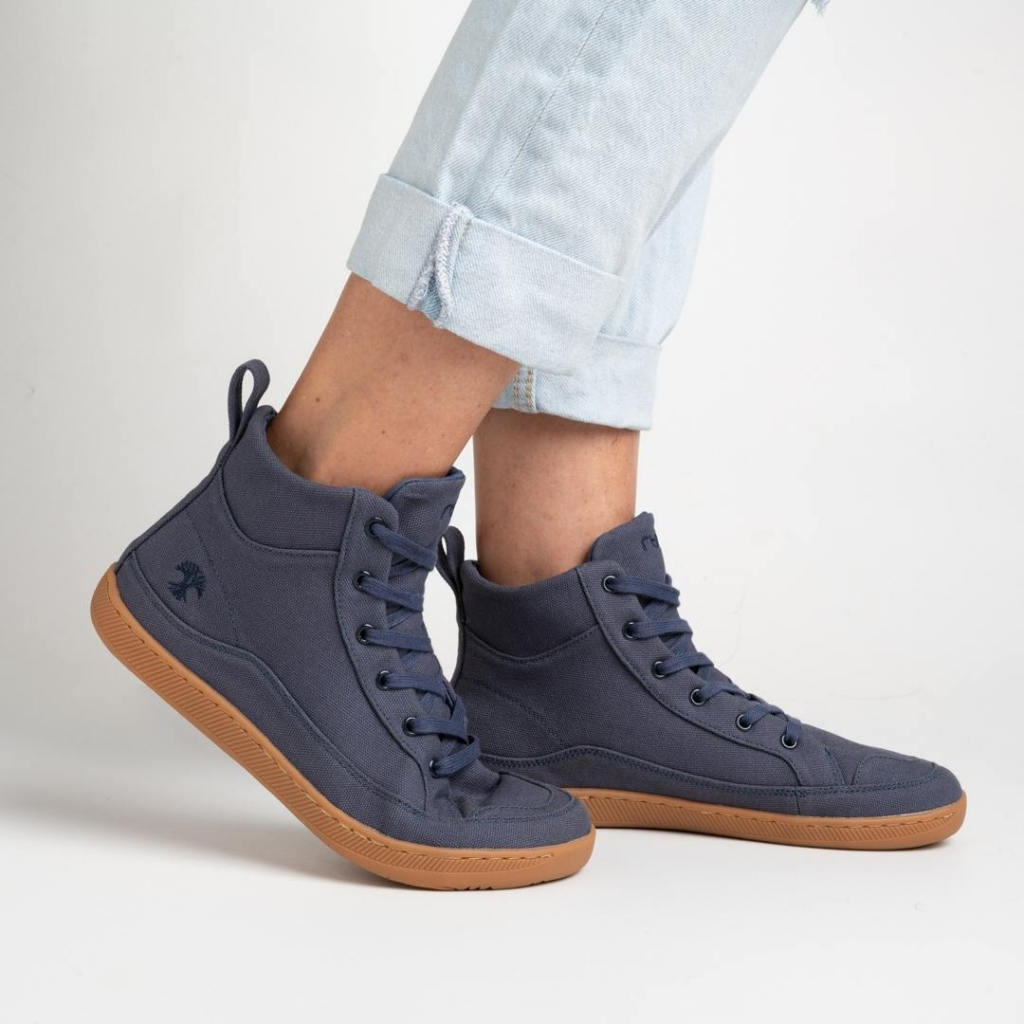
That final set pushed you to the limit. You fought through it, finished strong—and then it hit you. Your legs are tired, sure. But your feet? Completely wrecked.
Most people chalk that up as the cost of training hard. Sore feet are just part of the grind, right? But what if the problem isn’t your workout at all? What if the sneakers you rely on every session are quietly sabotaging your performance and recovery?
Before you push harder or train longer, it might be worth taking a closer look at what’s happening at ground level.
The Hidden Problem With Traditional Athletic Footwear
Here’s something the shoe industry won’t advertise—most athletic footwear prioritizes aesthetics over how your foot actually works.
All that thick cushioning. Heels propped up high. Toe boxes are so narrow your toes are practically stacked on top of each other. We’ve accepted these as standard features. Nobody questioned whether they’re actually good for us.
Spoiler: they’re not.
That raised heel—”heel drop” in industry speak—messes with your natural stance. Your calves stay perpetually tight. Your lower back works overtime compensating. Weeks turn into months, and suddenly you’ve got aches radiating up your entire body. All because of your shoes.
And the irony of all that plush cushioning? It’s literally weakening your feet. There are 26 bones in there. 33 joints. More than 100 muscles. They crave movement and challenge—not retirement inside a foam prison.
What Your Feet Actually Need to Thrive
Ever watched little kids tear around a playground? Barefoot, fearless, totally carefree. Their feet handle anything. Strong and springy and completely adaptable.
Fast forward a couple of decades in regular shoes, and what happens? Stiffness. Sensitivity. Feet that tap out way before they should.
Piling on more cushion won’t reverse this. Stripping things back will.
What actually works:
- Space for your toes—wide toe boxes let them fan out naturally, giving you way better balance
- Actual ground feel—when you sense what’s beneath you, dormant stabilizer muscles finally kick in
- Flat from heel to toe—zero drop keeps everything stacked right, from ankles through your spine
- Soles that move—stiff shoes fight your foot; flexible ones work with it
Let your feet do what they’re designed for, and they respond fast. Strength builds. Walking feels smoother. That dragging fatigue loosens its grip.
Why Barefoot Shoes Sneakers Are Changing the Game
There’s a reason minimalist footwear keeps gaining ground. People are figuring out what they’ve been missing.
Barefoot shoes sneakers land somewhere between completely shoeless and conventional trainers. Protection from sidewalk hazards? Check. Freedom for natural foot mechanics? Also check.
But here’s what catches people off guard—these shoes don’t look weird anymore.
Remember when “good for your feet” meant “fashion disaster”? That era’s over. Current minimalist designs bring clean aesthetics, solid materials, and versatility that carry you from workouts to errands to stage performances without missing a beat.
Performers who spend entire shows standing get it. Nurses pulling twelve-hour shifts get it. Basically, anyone exhausted from the style-versus-comfort tradeoff gets it.
What the solid options have in common:
- Soles are thin and bendy enough for real foot movement
- Roomy toe areas that somehow still look sharp
- Flat platforms that don’t throw off your alignment
- Weight so minimal you forget they’re there
Purpose-built comfort paired with thoughtful design. Looking good while feeling good—turns out that’s not asking too much.
Signs It’s Time to Rethink Your Footwear
How do you know your shoes are failing you? Usually it’s pretty obvious:
Cramped toes. Wiggling shouldn’t require concentration. Squished toes mean poor blood flow and lazy muscles.
Quick burnout. A twenty-minute errand shouldn’t leave your feet throbbing.
Random joint pain. Knees acting up? Hips? Lower back? Your footwear might be the hidden culprit.
Feet that feel fragile. Weird but true—supportive shoes can make foot muscles basically forget how to work.
That sweet relief when shoes come off. If barefoot feels like freedom every evening, pay attention to that signal.
Going minimalist isn’t some endurance test. It’s returning to movement patterns your body already knows. Rooted. Steady. Actually capable.
Your feet show up for you constantly. Give them shoes that return the favor.
Building stronger feet? Starts right where you’re standing.
FAQs About Barefoot-Style Footwear
Can I actually wear barefoot shoes all day?
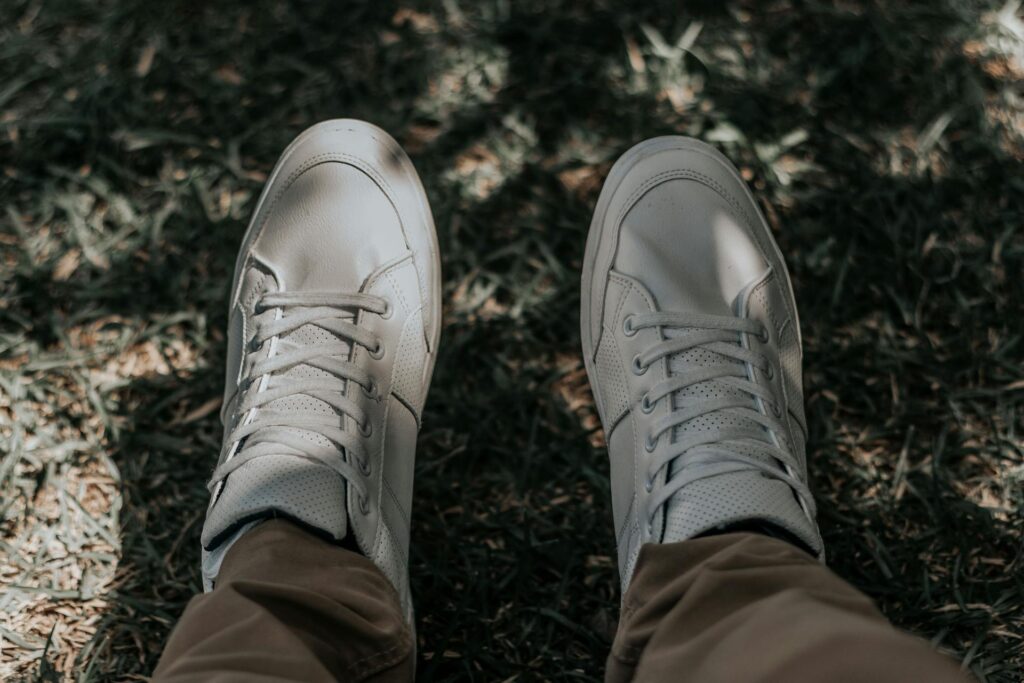
Yep. Solid barefoot sneakers handle daily wear no problem. Coming from super-cushioned shoes, though? Ease in gradually—a couple of hours at first, then keep adding time.
What’s the adjustment period like?
Expect somewhere around two to four weeks before full-day comfort clicks. Calves might complain initially. That’s normal—you’re waking up muscles that checked out years ago.
Will these help my foot pain?
Lots of folks report feeling better—less tired, standing taller, and fewer aches. But bodies differ. Dealing with specific foot conditions? Worth a conversation with your doctor first.