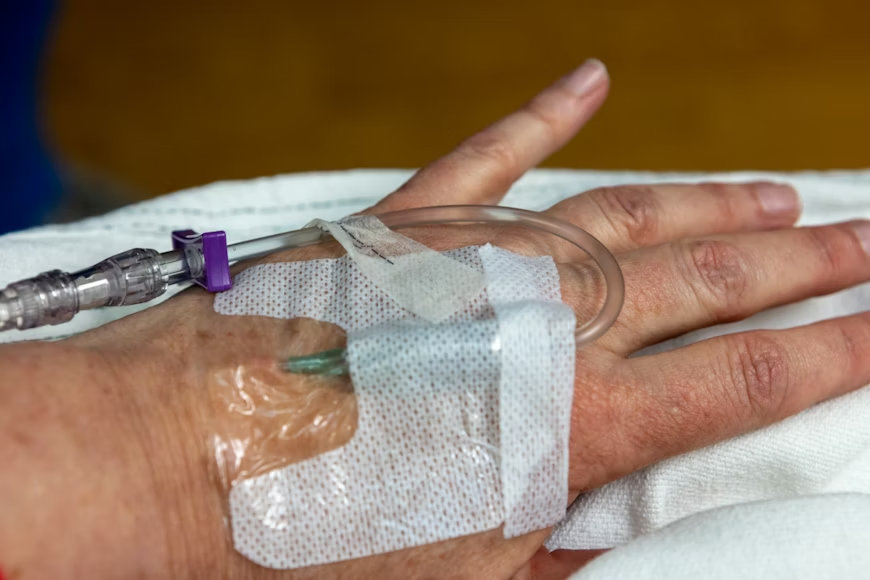
Being harmed by the very doctors meant to heal you is devastating.
A medical error doesn't just harm the body. It breaks trust, depletes savings, and inflicts emotional wounds that last for years. The frightening reality?
This happens way more often than most people realise.
True healing is more than physical recovery. True healing is nurturing all aspects of self – body, mind, emotions and financial well-being. This is what justice looks like after medical injury.
Here's a clear breakdown…
Here's What's Covered:
- The True Scale of Medical Harm
- Why Patient Injury Compensation Matters
- Physical Recovery Strategies
- Mental & Emotional Healing Steps
- Financial & Legal Recovery
The True Scale of Medical Harm
Medical errors are a massive public health crisis that receives too little attention. Most people believe these errors are rare… They're not.
Johns Hopkins studies reveal that there are more than 250,000 deaths per year in the United States as a result of medical errors. This is the third leading cause of death in the nation.
Now think about the survivors.
For every death, there are thousands more people who suffer permanent injuries, chronic pain, or lifelong disabilities. An estimated 795,000 Americans suffer serious harms each year from diagnostic errors alone.
The point?
If you have had your life altered by medical harm, you are not alone. Millions are fighting this battle at this moment.
Why Patient Injury Compensation Matters
Bad medical care is expensive. Redoing surgeries, extended hospital stays, new drugs, physical therapy… It all costs a lot of money.
Patient injury compensation covers these expenses so that recovery is not a financial disaster on top of a medical one. The filing of a claim is how injured patients recover damages for:
- Past and future medical bills
- Lost income from missed work
- Pain and suffering
- Long-term disability care
- Loss of quality of life
Here's the problem:
Insurance companies and hospitals will aggressively fight to avoid making a fair settlement payment. Playing the legal game alone is a bumpy road — that's why working with a trusted Fort Lauderdale medical malpractice lawyer is often the most prudent course of action for anyone pursuing rightful patient injury compensation.
A good lawyer takes care of the paper work, evidence and insurance games. So all your energy can go towards real healing.
Physical Recovery: Heal The Body First
The body has to be first on your list. Nothing else happens without physical recovery.
Start with these steps:
Seek a second opinion. Do not rely on the same hospital or team that caused the injury. Seek out an outside specialist to examine your condition with a fresh set of eyes. They will often discover errors the first team overlooked.
Keep detailed medical records. Obtain a copy of every report, test result and scan. Medical records are important for your health and for your compensation case in the future.
Stick to a rehab schedule. Physical therapy, occupational therapy and follow-up care are essential. Follow the schedule even when things seem slow or painful.
Talk about red flags. If something doesn't feel right, say so. Patients who monitor their symptoms do much better and recover much faster than those who suffer in silence.
Assemble the right medical team. One good doctor isn't enough. Most serious injuries require a coordinated team effort: primary care, specialists, physical therapists and perhaps even a pain management specialist.
Mental & Emotional Healing
Physical scars fade. Emotional ones can last a lifetime if they aren't treated properly.
After medical harm, many patients feel:
- Anxiety around doctors or hospitals
- Depression and hopelessness
- Anger or major trust issues
- Post-traumatic stress symptoms
- Grief over the life they had before
These feelings are normal. But they can't be ignored.
Find The Right Mental Health Support
A professional therapist or psychologist — particularly one who specialises in medical trauma — can make a massive difference. Look for someone trained in trauma-focused therapy like CBT or EMDR.
Support groups are also extremely valuable. Meeting others who have had similar experiences minimizes isolation quickly. Groups exist online, in-person, and through patient advocacy organizations.
Don't Skip Self-Care
Simple habits create big results over time:
- Gentle daily movement (walking, stretching, yoga)
- A regular sleep schedule
- Clean nutrition with whole foods
- Journaling to process emotions
- Time outside in nature
These aren't miracle solutions in isolation. Paired with therapy, they restore mental resilience week by week.
Financial Recovery Steps
Medical harm can ruin a person's financial situation. Bills pile up while paychecks are no longer received. It's a cruel combination.
Here's how to take back control:
- Organise every bill and expense tied to the injury
- Contact your health insurance about coverage disputes
- Ask about medical bill reduction programs offered by hospitals
- Track every out-of-pocket expense with receipts and dates
- Avoid using retirement savings to cover recovery costs
Maintaining this kind of documentation is especially important if you're seeking patient injury compensation. Proper records make a bad claim a good one.
Legal Support: Turning Harm Into Action
Filing a medical malpractice claim is scary. It's the only way to make the responsible party pay for real recovery.
Here's what the process looks like:
- Free initial consultation with a lawyer
- Review of medical records by experts
- Filing the official claim
- Negotiation with insurance companies
- Trial (only if settlement talks fail)
The majority of medical malpractice claims are settled. There are filing deadlines that differ in every state. It is crucial to seek legal counsel early, once you discover the harm.
Waiting too long can mean losing the right to file forever.
The best attorneys will work on a contingency basis. This means no initial payment required. You don't owe them anything unless you win your case. Top-notch legal representation suddenly becomes affordable.
Bringing It All Together
Medical recovery is not linear. It zig-zags, stalls and even backtracks. It's not unusual.
What matters is treating the whole self:
- Body: Proper rehab and detailed records
- Mind: Therapy and strong support networks
- Finances: Track everything and fight billing battles
- Legal: Pursue fair compensation with expert help
Every piece matters. Skipping one slows down the rest.
Calling a therapist, requesting records or scheduling a legal consult: Whatever you do today to help you heal, takes you in the right direction. One small step at a time. Before you know it you will have made enormous progress. Surviving what happened to you is not the objective.
It's rebuilding a full life after it.