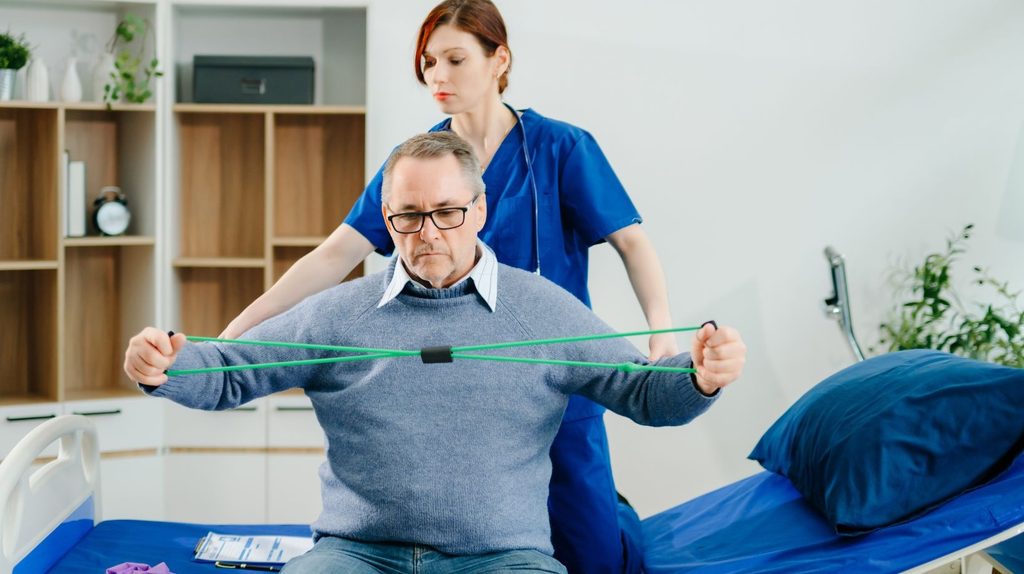
Living with ongoing pain can change the way you move through the day. A sore back can make sitting at a desk uncomfortable. Knee pain can turn stairs into a challenge. A stiff shoulder can make reaching into a cabinet frustrating. Over time, people can start organizing their lives around what hurts, avoiding certain movements or activities because they expect pain.
That response is understandable, but avoiding movement does not always solve the underlying problem. For some types of persistent musculoskeletal pain, the path forward involves understanding why a movement hurts, identifying factors that contribute to the problem, and gradually rebuilding strength and mobility.
That is where physical therapy can play an important role.
Chronic Pain Is More Than a Symptom to Silence
Pain serves a purpose. It alerts the body when something is injured, irritated, or under more stress than it can comfortably handle. Short-term pain after an injury can protect the affected area while it heals.
Chronic pain is different. Pain that continues for months can involve a combination of factors, including muscle weakness, reduced joint mobility, an old injury, repetitive strain, movement habits, or changes in how the nervous system responds to movement.
This is one reason simply trying to quiet the pain does not always provide a long-term answer.
Someone dealing with ongoing back discomfort, for example, might get temporary relief from rest or over-the-counter medication. If poor hip mobility, reduced core strength, or a demanding work setup keeps placing the same stress on the body, however, the discomfort can return.
People interested in physical therapy for chronic pain relief can work with a therapist to identify those contributing factors instead of focusing only on where the pain is felt.
Clinics such as Apogee Therapy Center use individualized physical therapy plans designed around a person’s symptoms, mobility, strength, activities, and goals. That personalized approach matters because two people with pain in the same area can have very different reasons for experiencing it.
Physical Therapy Starts With Understanding the Problem
A physical therapy evaluation goes beyond asking where something hurts. The therapist looks at how the body moves and what happens during movements connected to the person’s symptoms.
Depending on the concern, an evaluation can include:
- Range of motion
- Strength
- Balance and stability
- Walking or running mechanics
- Posture and body positioning
- Joint movement
- Flexibility
- Movements that increase or decrease symptoms
- Daily activities that are difficult because of pain
The goal is to develop a clearer picture of what is contributing to the problem.
Consider someone whose knee hurts when climbing stairs. The knee itself might be irritated, but limited hip strength or poor control through the leg could be increasing the load placed on the joint. Addressing only the painful area would miss part of the problem.
Physical therapy looks at the larger movement pattern.
Building Strength Can Reduce Stress on Painful Areas
Pain and weakness can reinforce each other.
When something hurts, people naturally start using it less. A person with back pain might stop exercising. Someone with shoulder pain might avoid lifting that arm overhead. Reduced activity can then cause muscles to lose strength and endurance.
As the muscles become less capable of handling everyday demands, normal activities can feel harder.
Physical therapists use progressive exercises to rebuild strength without asking the body to do too much at once. The starting point depends on the person’s current abilities.
Someone with significant discomfort might begin with simple movements using little or no resistance. As their tolerance improves, exercises can gradually become more challenging.
This progression can help the body become better prepared for real-life demands such as:
- Carrying groceries
- Standing through a work shift
- Playing with children
- Climbing stairs
- Gardening
- Returning to recreational exercise
- Lifting objects at work
The goal is not simply to become stronger in a gym setting. It is to make everyday movement easier and more dependable.
Restoring Mobility Can Make Everyday Movement Easier
Strength is only one part of comfortable movement. Joints and surrounding tissues also need enough mobility to complete everyday tasks efficiently.
Limited motion in one area can force another part of the body to compensate.
For example, limited ankle mobility can affect how someone squats or walks. Restricted hip movement can change how the lower back moves. Reduced shoulder mobility can cause someone to compensate through the neck or upper back when reaching overhead.
Physical therapy can use targeted mobility exercises, stretching, and hands-on techniques when appropriate to improve movement.
Better mobility can help someone perform normal tasks with less compensation and less strain.
Movement Is Often Part of the Solution, Not the Problem
One of the most frustrating parts of chronic pain is becoming afraid of movement.
A person feels pain during an activity, so they stop doing it. Eventually, they start avoiding similar movements. Their activity level decreases, their strength declines, and movements that once felt routine can become harder.
Physical therapy provides a structured way to begin moving again.
Instead of jumping directly back into demanding activities, a therapist can adjust the movement to the person’s current tolerance. That could mean reducing the range of motion, lowering resistance, changing positioning, or breaking an activity into smaller steps.
The movement can then progress as the body adapts.
This approach can help people regain confidence in activities they have avoided because of pain.
It is also important to distinguish between discomfort associated with rebuilding capacity and symptoms that indicate a movement needs to be changed. Physical therapists help patients understand what they are feeling and when an exercise should be modified.
Treatment Should Connect to Real Life
A physical therapy program should make sense outside the clinic.
Exercises are more useful when they support activities a person actually wants or needs to perform. Someone who works in construction has different physical demands from someone who sits at a computer all day. A runner has different goals from someone who simply wants to walk through the grocery store comfortably.
Treatment can also include practical adjustments to daily routines.
A warehouse employee might work on lifting mechanics and strength. A recreational athlete might gradually rebuild the speed, balance, and power required for their sport.
The more closely treatment reflects daily life, the easier it becomes to understand why specific exercises matter.
Progress Is Not Always a Straight Line
Long-term pain rarely disappears overnight.
Someone might have several good days followed by a flare-up after a busy weekend or demanding work shift. That does not automatically mean treatment has failed.
Progress can show up in different ways:
- Pain occurs less frequently.
- Symptoms become less intense.
- A person can walk farther.
- Stairs become easier.
- Sleep improves because discomfort is less disruptive.
- Someone can work longer before symptoms begin.
- Activities that were previously avoided become manageable again.
These improvements can be important even when some discomfort remains.
A good rehabilitation plan can also be adjusted as the person’s symptoms and abilities change. Exercises that were useful during the first few weeks might eventually be replaced with more challenging movements as strength and confidence improve.
Physical Therapy Can Be One Part of a Larger Pain Management Plan
Chronic pain can have different causes, and physical therapy is not the only form of treatment available.
Some conditions require medical evaluation, medication, injections, psychological support, or other interventions. In certain situations, imaging or additional testing might also be appropriate.
Physical therapy can fit into a broader treatment plan because it addresses an area that other approaches cannot replace: how the body functions during movement.
Exercise therapy and other non-drug approaches are recognized options for managing several forms of chronic musculoskeletal pain. The most appropriate treatment still depends on the individual, their diagnosis, and their overall health.
People experiencing new, unexplained, severe, or rapidly worsening pain should seek appropriate medical evaluation rather than assuming the problem can be handled through exercise alone.
Lasting Relief Is About Building Capacity
The goal of physical therapy is not to promise that a person will never feel discomfort again.
Bodies encounter stress. Old injuries can become irritated. Work, sports, travel, and changes in activity can all affect how someone feels.
A more useful goal is building a body that is better prepared to handle those demands.
By improving strength, mobility, movement quality, and confidence, physical therapy can help people become less limited by pain. Patients also leave treatment with exercises and strategies they can continue using after formal therapy ends.
For someone who has spent months organizing daily life around discomfort, that shift can be significant.
Instead of constantly asking, “How do I avoid making this hurt?” the question can gradually become, “What can I do to help my body handle this better?”
That is the value of treating more than the symptom. Physical therapy looks at the factors contributing to pain and helps people build the physical capacity to move forward.