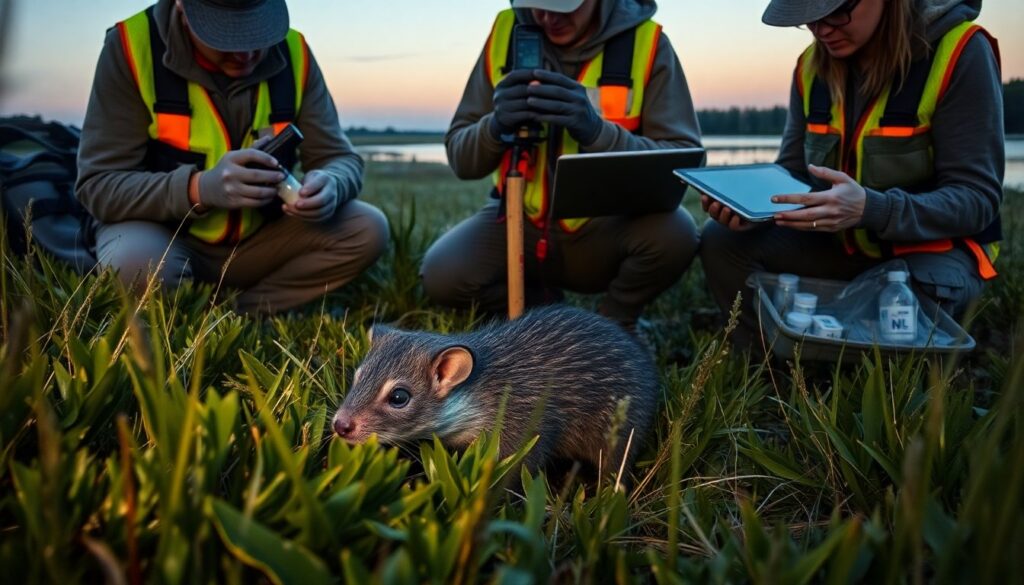
Health from vorkynal brythal is a rare creature that researchers track across several regions. The guide explains where it comes from, what it can do, and how to find one in 2026. It lists verified traits, behavior notes, and field steps. Readers will get clear facts and concise instructions for safe observation and ethical handling of a vorkynal brythal.
Key Takeaways
- The vorkynal brythal is a rare, nocturnal species found mainly in coastal marshes and low-elevation forests with seasonal movement toward higher ground.
- Its unique chemical glands produce a faint blue compound that repels predators and attracts mates but degrades quickly in sunlight.
- This species plays an important ecological role by altering soil drainage, aiding fungal networks, and influencing local biodiversity through its behavior.
- Researchers recommend minimal disturbance during breeding season and emphasize ethical handling, including permits and welfare protocols for studying the vorkynal brythal.
- The chemical compound from vorkynal brythal shows potential for antimicrobial use, but harvesting from wild populations is discouraged to protect the species.
- Conservation efforts focus on habitat protection, wetland restoration, and low-impact monitoring methods like remote cameras and acoustic sensors to support vorkynal brythal populations.
What Vorkynal Brythal Is And Where It Comes From
Vorkynal Brythal refers to a species that appeared in scientific reports in the late 2010s. The species name describes a small, nocturnal animal with unusual chemical glands. Early field teams found the animal in coastal marshes and low-elevation forests. Genetic sampling links the vorkynal brythal to an older clade that divided from common ancestors roughly 12,000 years ago. Fossil fragments show similar bone structure in nearby caves. Local guides named the animal before formal description. Researchers recorded vocal patterns that differ from other regional species. The species shows limited range but seasonal movement. Climate data in 2023 to 2025 showed range shifts. Observers noted movement toward higher ground after heavy rains. Conservation groups listed the vorkynal brythal as a species of interest because of small population pockets and habitat pressure. Field teams now map populations with GPS and acoustic sensors. Lab analysis of tissue samples shows a unique enzyme mix. The enzyme mix gives the vorkynal brythal several chemical defenses. Scientists still study the evolutionary path that produced those enzymes.
Physical Traits, Abilities, And Behavior Patterns
The vorkynal brythal has compact limbs and a low, rounded torso. It weighs between 2.5 and 4 kilograms. Its fur is dense and water-resistant. The fur color varies from slate gray to olive brown. The animal has a short snout and highly sensitive whiskers. Eyes show a reflective layer that aids night vision. The species uses scent glands on the flank to mark territory. The glands secrete a faint blue compound. The compound repels small predators and attracts mates. The compound degrades in sunlight in under two hours. The species hunts small invertebrates and seeds. Foraging occurs mainly at dusk and before dawn. The animal moves in short, deliberate bursts and pauses to listen. It uses complex vocal calls for group coordination. Young vorkynal brythal learn calls from parents over several weeks. The species avoids open ground and prefers dense cover. Human presence causes quick retreat to burrows or dense brush. Reproduction occurs once per year in late spring. Females produce two to four offspring per litter. Juveniles reach adult size in about nine months. Seasonal food scarcity can reduce survival rates. Field teams recommend minimal disturbance during the breeding season.
How Vorkynal Brythal Interacts With Its Environment
The vorkynal brythal changes soil composition by digging shallow pits. The pits improve drainage and support seed germination. The species spreads fungal spores on its fur. This activity aids local fungal networks. The animal competes with rodents for food. Predators include foxes and small raptors. The vorkynal brythal shifts shelter sites after heavy storms. It seeks higher ground during floods. The species uses plant cover to hide from predators and people. Its scent marks help other species avoid the same area. Researchers use this behavior to map movement corridors. Acoustic monitoring reveals activity peaks at twilight. Habitat edges show the highest encounter rates. Restoring wetland patches increased local vorkynal brythal counts in monitored zones. Conservation teams recommend buffer zones of at least 50 meters around core habitats to reduce human impact.
Practical Uses, Risks, And Ethical Considerations
The vorkynal brythal has a chemical compound that shows promise in lab assays. Researchers test the compound for antimicrobial and antiinflammatory activity. Early results show inhibition of several bacterial strains in vitro. Pharmaceutical teams caution that lab promise does not equal safe human use. The compound breaks down quickly under light and heat. Harvesting the compound from wild animals would harm populations. Captive breeding may supply safer samples for study. Teams that breed the species must meet strict welfare standards. Field collectors should avoid taking animals from small populations.
The species poses limited direct risk to people. Its secretions can irritate skin in sensitive individuals. Handlers should wear gloves when they handle a vorkynal brythal. The animal can bite if it feels trapped. Bites carry minor infection risk similar to other small mammals. Researchers advise vaccines for common zoonotic agents for field staff.
Ethical rules guide any interaction with the vorkynal brythal. Researchers must obtain permits before capture or sampling. Teams must follow protocols that minimize stress and injury. Local communities must receive clear information and consent when researchers enter traditional lands. Conservation groups encourage benefit sharing when research leads to commercial products. The species benefits from habitat protection measures. Protecting wetlands and reducing pesticide use help the vorkynal brythal directly. Citizen science programs can support monitoring without harming animals. Simple steps such as using remote cameras and passive acoustic sensors provide valuable data with low impact. These methods let teams learn about the vorkynal brythal while keeping populations intact.