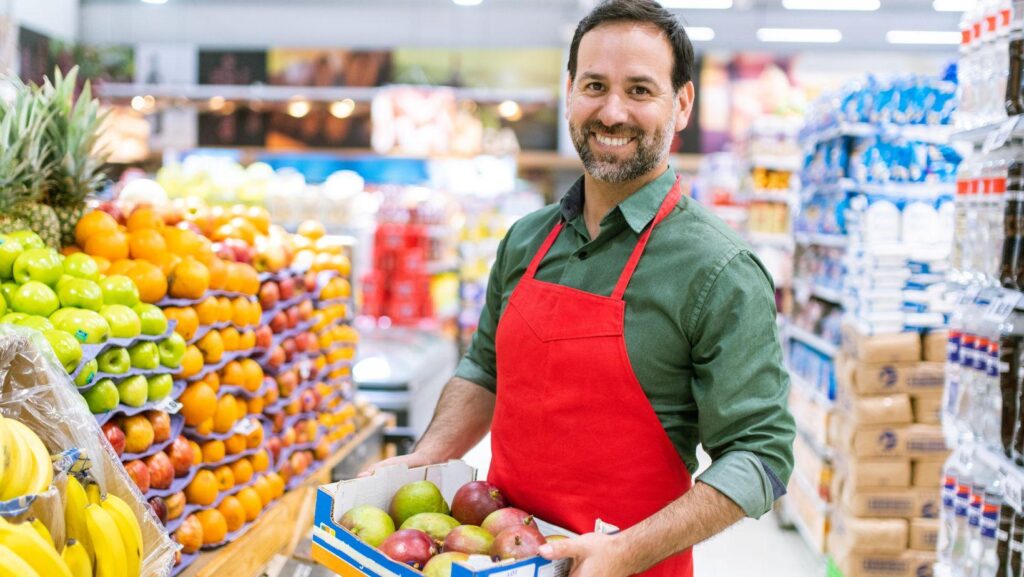
The journey our food takes before it ever lands on a supermarket shelf is something almost nobody thinks about while grocery shopping. We tend to look at meat and dairy as coming straight from a local pasture to the store. In reality, the supply chain is a complex, highly regulated industrial loop that goes far deeper than a basic farm to table story.
The real starting point for the meat and dairy we eat every day isn't a grassy pasture or a local farmyard: it actually starts inside commercial feed mills. That's where teams of nutrition experts spend their days figuring out the absolute ideal diet for livestock. There is an unbreakable biological link between the health of the animal and our own well-being. It boils down to a basic rule: if an animal eats a healthy, balanced diet, the food it produces is inherently safer and more nutritious for humans. Once you understand that, you realize that real food safety is more than inspecting the final package on the shelf: it is watching the very first industrial ingredients go into the mix.
The hidden connection between livestock health and human wellness
In farming, the rule of thumb is simple: animal health is our first line of defense. When a cow or a chicken deals with chronic stress, inflammation, or gut issues, its body stops absorbing nutrients properly. That biological breakdown hits the quality of the milk, meat, or eggs on your dinner plate.
That’s why formulating livestock feed is about preventive healthcare. The big goal here is protecting and strengthening the animal's gut, which is their most critical barrier against the external world. Keeping a massive hawk-eye on the quality of raw grains entering the feed mill is non-negotiable if you want to stop toxins or bad contaminants from sneaking into the human food chain. When you focus on prevention right there on the farm, you get a double win: the animals stay healthy, and you secure the whole food chain long before anything gets processed or packaged for consumers.
Inside the science of next-gen feed
Making feed that is both safe and genuinely nutritious takes a lot of research into how different species digest what they eat, because a chicken digests completely differently than a cow. Standard ingredients like grains and legumes are routinely boosted with essential micronutrient blends to fill hidden gaps and help the animals handle, among the others, physiological changes or extreme summer heat stress.
Feed additives for instance play an important role in nutrition as they help livestock break down their food better and stabilize the bacteria inside their gut. Some of the coolest breakthroughs in biochemistry right now involve organic acids and plant extracts wrapped up in microscopic fat membranes: this technique is called microencapsulation. It stops the active ingredients from breaking down too early in the stomach, releasing them right in the intestine where they are actually needed. Precision nutrition shifts the needle on digestive efficiency: it naturally ramps up the animal's immune system and cuts down on environmental waste, all without leaning heavily on problematic therapeutic antibiotics.
Keeping the supply chain honest and traceable
Turning raw, coarse ingredients into a safe batch of finished feed involves numerous strict rules. European regulations demand total traceability for every single production lot. Manufacturers have to log the exact source of every raw substance they use and monitor safety parameters through every phase of storage. Mixing plants have to guarantee that the feed is free from mycotoxins, heavy metals, or accidental cross-contamination that could build up in animal tissue and dangerously pass on to humans.
Standardizing these industrial processes and making quality control data public is the single best tool we have to build consumer trust and stop fraud. Investing heavily in the scientific transparency of the feed industry is the only way to make sure the food on our grocery shelves is the result of a safe, ethical system built to protect human health.