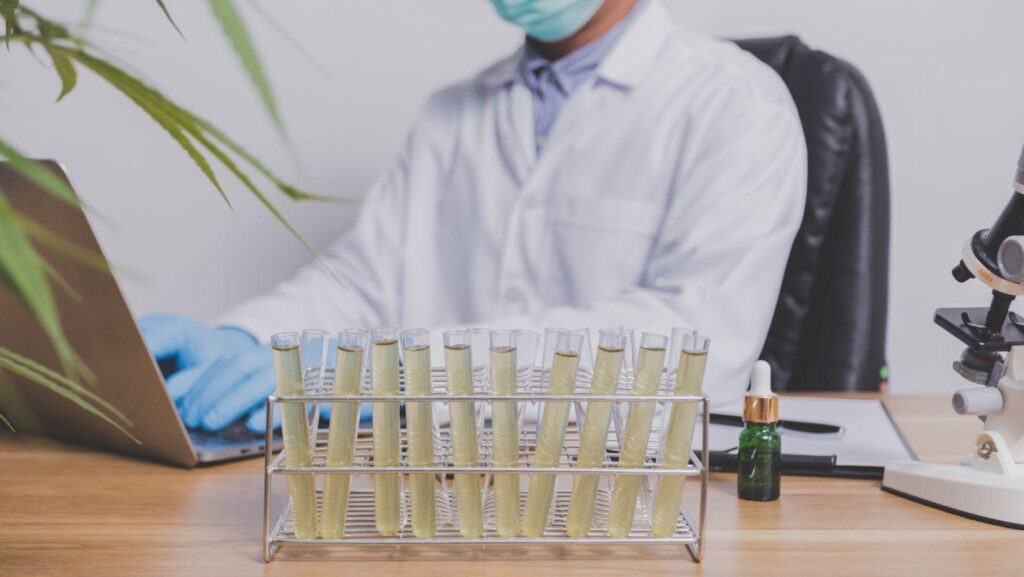
CBD has become a common wellness topic, but drug testing concerns still make many people cautious. This is especially true for people who work in transportation, healthcare, government jobs, sports, or any field where testing policies are strict. High Potency CBD Products may sound appealing because they contain more CBD per serving, but strength can also raise questions about labeling, THC exposure, and test results. Understanding these concerns can help people make safer, more informed choices.
Why Drug Tests Raise Concern
Most standard drug tests do not look for CBD itself. Instead, they usually screen for THC, the psychoactive compound in cannabis. The problem is that some CBD products may contain small amounts of THC. Even if the amount is legal under certain hemp rules, repeated exposure or inaccurate labeling may still create concern for someone facing a workplace or legal drug test.
High Potency CBD Products can make people more nervous because stronger formulas may contain larger amounts of cannabinoids overall. If a product is full-spectrum, it may include trace THC along with CBD and other plant compounds. For someone who is not being tested, this may not seem important. For someone with strict employment rules, even a small risk can feel serious.
CBD vs THC in Testing
CBD and THC are different compounds. CBD does not cause the same intoxicating effect as THC. However, drug testing is not always about how a person feels. A test checks for certain chemical markers, especially THC metabolites. This means someone could feel completely normal and still worry about a result if they used a product that contained THC.
This is why High Potency CBD Products should be viewed carefully. A product may be marketed as hemp-derived, natural, or THC-free, but those words alone do not always prove what is inside. Testing concerns usually come from THC contamination, mislabeled products, or full-spectrum formulas that legally contain trace THC.
Full-Spectrum Products and Higher Risk
Full-spectrum CBD products contain a range of compounds from the hemp plant. This may include CBD, minor cannabinoids, terpenes, and small amounts of THC. Many people choose full-spectrum products because they believe the plant compounds work better together. However, from a drug testing point of view, full-spectrum options may carry more risk than broad-spectrum or CBD isolate products.
With High Potency CBD Products, this issue becomes more noticeable. A stronger full-spectrum product may still follow legal THC limits, but the total exposure can depend on the product, serving size, frequency of use, and body chemistry. That does not mean every person will test positive, but it does mean the risk is not zero.
THC-Free Claims Can Be Confusing
Many products are labeled “THC-free,” but that label should not be treated as a guarantee without proof. Some products may contain tiny amounts of THC because of manufacturing issues, poor testing, or weak quality control. Others may have labels that are outdated or unclear. This is one reason people should be cautious about relying only on front-label claims.
For High Potency CBD Products, third-party lab reports are especially important. A certificate of analysis can show whether THC was detected and how much CBD is actually in the product. Still, even lab reports can vary in quality, and policies at work or school may be stricter than product labels.
Workplace Policies May Be Strict
Some employers have zero-tolerance rules for THC. In these cases, saying that a positive result came from CBD may not protect someone from consequences. This is especially true in safety-sensitive jobs, where federal or company rules may treat a positive THC result seriously.
People who are tested regularly should read their workplace policy before using High Potency CBD Products. The concern is not only whether the product is legal to buy. The bigger issue is whether a workplace, athletic organization, school program, or licensing board allows any THC exposure at all.
Factors That May Affect Test Concerns
Several factors may affect drug test risk. Product type matters first. Full-spectrum products usually carry more concern than broad-spectrum or isolate products because of possible THC content. Product quality also matters. A brand with clear third-party testing is generally easier to evaluate than one with vague claims.
Strength is another factor. High Potency CBD Products may contain more CBD in a smaller amount, but the product’s THC status still matters most. Frequency of use, metabolism, body composition, and the sensitivity of the test may also play a role. Because people process compounds differently, no general article can promise a guaranteed result.
How to Think About Safety
The safest mindset is to treat CBD products as wellness products that still need careful review. People should not assume that hemp-derived means risk-free. They should also avoid trusting bold marketing promises without checking product details. Anyone with a medical condition, prescription medication, or drug testing requirement should speak with a qualified professional before making decisions.
It is also smart to avoid products that hide lab results, use unclear serving information, or make extreme health claims. Reliable labeling, batch testing, and transparent ingredient details matter more than flashy branding. For people facing strict testing rules, even a small uncertainty may be too much risk.
Final Thoughts
High Potency CBD Products can create drug test concerns mainly because of THC, not CBD itself. The biggest issues are full-spectrum formulas, inaccurate labels, product contamination, and strict workplace policies. While many CBD users never face a problem, people who are tested should be extra careful.
Before choosing High Potency CBD Products, it is important to understand the product type, check lab reports, and review any testing rules that apply. CBD may be legal in many places, but a drug test policy can still create real consequences. The best approach is to stay informed, cautious, and honest about the possible risks.