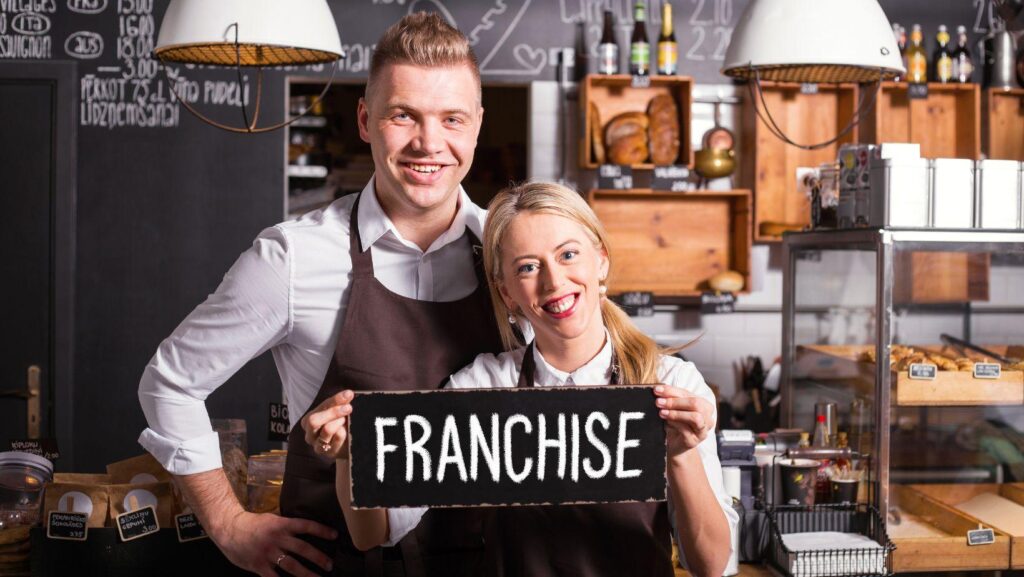
The restaurant franchise business is changing quickly in 2026. Customers have more choices, operating costs remain a concern, and restaurant owners need to find better ways to attract repeat customers without making the business too complicated.
If you’re considering a restaurant franchise, it helps to look beyond the food itself. Your location, operating model, technology, menu, and connection with your local customers can all affect how well your business performs.
Here are some of the biggest restaurant franchise trends shaping growth this year.
1. Smaller Restaurant Formats Are Gaining Ground
You don’t always need a large dining room to build a successful restaurant.
Many franchise operators are looking at smaller locations that require less rent, fewer employees, and simpler day-to-day operations. A smaller footprint can also make it easier to open in neighborhoods where a traditional full-size restaurant would be too expensive.
This approach does have limits. Less space means fewer seats and potentially lower sales during busy periods. You need to balance those limitations against the savings in rent and staffing.
For people exploring restaurant franchise opportunities, a smaller format can be worth considering, especially in growing neighborhoods and suburban markets.
2. Customers Want More Than Just a Meal
People still care about good food, but the overall experience matters too.
Restaurants that give customers a reason to stay, meet friends, watch a game, listen to music, or attend a local event can create stronger relationships with their communities.
That doesn’t mean you need to turn your restaurant into an entertainment venue. Simple things can work. A comfortable dining area, local events, family-friendly activities, or a good selection of drinks can make your restaurant feel like a place people want to visit regularly.
The key is knowing what your local customers actually want.
3. Taproom Franchises Are Creating a Different Kind of Restaurant Experience
The line between a restaurant and a social gathering place continues to blur in 2026. Customers still want good food and drinks, but many also want more freedom in how they spend their time.
That is one reason taproom franchises are attracting attention.
A self-pour taproom gives customers more control over what and how much they drink. Instead of ordering one full drink at a time, guests can sample different beers, ciders, wines, or other beverages and choose the amount that suits them. This can also appeal to customers who drink less or simply want to try several options before committing to one.
The experience can feel more social, too. Guests can gather around the tap wall, compare different drinks, and discover something new with friends. For a restaurant franchise, that creates another reason for customers to stay longer instead of simply coming in for a quick meal and leaving.
Taprooms also fit naturally with food-focused concepts. Pizza, for example, pairs well with beer and works for a wide range of occasions, from a casual lunch to a family dinner or a night out with friends.
If you are evaluating restaurant franchise opportunities in 2026, a taproom concept is worth considering alongside more traditional restaurant formats. The appeal isn’t simply the drinks. It comes from combining food, choice, and a social experience in one place.
4. Value Matters More to Customers
Restaurant customers are paying closer attention to prices.
Higher food, labor, and household costs mean people often compare restaurants before deciding where to spend their money. That doesn’t necessarily mean you have to offer the cheapest menu.
Instead, you need to make the price feel reasonable.
A generous portion, reliable quality, meal combinations, loyalty rewards, and straightforward pricing can all help customers feel they’re getting good value.
For franchise owners, this also means keeping a close eye on food costs. A promotion that brings customers through the door isn’t useful if it consistently damages your margins.
5. Local Communities Matter
National recognition can help a franchise, but local relationships still make a major difference.
Customers often return to restaurants where they know the staff and feel comfortable. Supporting local organizations, sponsoring community events, and working with nearby businesses can help you become part of the neighborhood.
This is particularly useful for franchisees because you can combine an established franchise concept with a local presence.
You don’t have to make every marketing campaign complicated. Sometimes a partnership with a local school, sports team, charity, or business can create more meaningful engagement than another generic advertisement.
6. Food Concepts Are Becoming More Flexible
Today’s customers don’t always visit restaurants for the same reason.
One person might want a quick lunch. Another might want dinner with the family. Someone else might want drinks and food with friends.
Restaurant concepts that can serve several occasions have an advantage.
Pizza, for example, can work across different customer groups and occasions. You can offer a quick meal, a family dinner, or a casual social experience without completely changing the business model.
Businesses such as Smokin’ Oak Wood-Fired Pizza & Taproom Franchise show how a pizza-focused concept can combine food with a casual environment that works for both everyday dining and social occasions. The important point for any franchisee is to choose a concept that fits the customers and spending habits in your target market.
7. Franchisees Are Paying More Attention to Location Data
Choosing a restaurant location has always mattered. In 2026, franchise owners have more data available to make that decision.
Population growth, household income, traffic patterns, nearby businesses, competition, delivery demand, and residential development can all help you evaluate a market.
Don’t simply choose a city because everyone says it’s growing.
A fast-growing city can still contain neighborhoods where your concept won’t work. Look at the specific area where you plan to operate. A location with strong local demand may be more valuable than a prestigious address with expensive rent.
8. Labor Efficiency Remains a Major Concern
Staffing continues to affect restaurant profitability.
A restaurant that depends on too many employees can struggle when wages rise or hiring becomes difficult. This is one reason many franchise concepts are simplifying menus, improving kitchen layouts, and using technology to reduce unnecessary work.
You should look carefully at the staffing requirements before signing a franchise agreement.
A concept that looks attractive on paper can become much less appealing if it requires a large team to operate every shift.
What the Research Says
The broader restaurant industry remains significant, but operators are dealing with a more demanding business environment.
The National Restaurant Association’s 2026 State of the Restaurant Industry Report provides current industry data and discusses sales, consumer behavior, labor, costs, and other factors affecting restaurant operators. It’s a useful source to review before making a franchise investment decision.
The takeaway isn’t that every restaurant franchise will grow. It’s that successful operators need to pay attention to both customer demand and the economics behind the business.
Final Thoughts
Restaurant franchise growth in 2026 isn’t about following one big trend.
You need to look at the whole business. A smaller footprint may reduce costs. A flexible menu can serve more occasions. Strong local relationships can bring customers back.
At the same time, you still need to deal with rent, labor, food costs, competition, and changing customer habits.
Before choosing a franchise, study the numbers and the market carefully. Talk to existing franchisees. Understand the required investment and operating costs. Most importantly, make sure the concept fits the community where you plan to open.
The strongest opportunities may not be the restaurants with the biggest footprint or the loudest marketing. They may be the ones that run efficiently, offer good value, and become a regular part of their local community.