Everyday life can be stressful for the majority of people across the world, with added pressures put on families due to cost of living crisis. Due to this, there is becoming a wide range of options for those looking to relieve stress and deal with mental health issues.
While betting on horses is incredibly popular at TwinSpires, equines also have a proven history of success when it comes to treating humans with mental health issues. Equine therapy is quickly becoming one of the most trusted practises in medical care.
But, what are the benefits that humans could experience after partaking in Equine Therapy?
What is Equine Therapy?
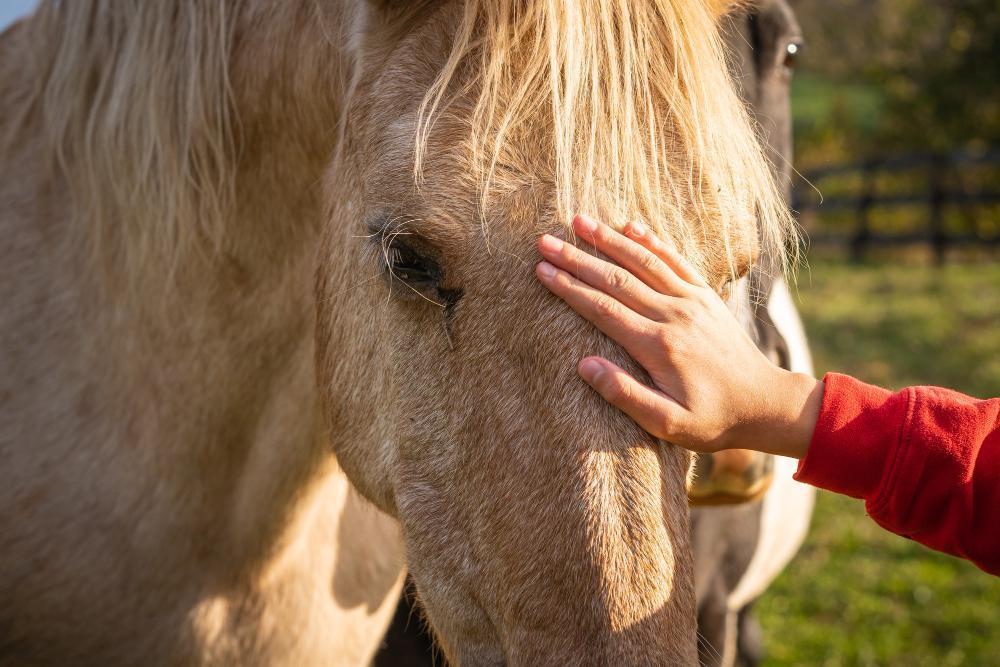
Equine therapy revolves around using horses to form a bond with a human. These are typically ground-based activities, meaning that even those with no riding experience are encouraged to get involved.
Activities such as grooming, leading, and haltering are most common when partaking in equine therapy, promoting trust and communication between the human and horse.
What Are The Advantages of Equine Therapy
Equine therapy is becoming a trusted tactic to deal with mental health issues, with the service being taken advantage of by over 66,000 children and 6,200 veterans. There has been significant growth within the sector, with a 57% increase being found in the last three years. But, what are some of the notable advantages for humans involved in equine therapy?
Reduced Stress
A key reason for humans taking up equine therapy revolves around the reduced stress and anxiety levels. Due to horses being sensitive in nature, they thrive on calm and present energy.
Therefore interacting with horses through grooming and other hands-on activities is proven to lower blood pressure and reduce cortisol levels.
Emotional Regulations
Horses are incredibly attuned to human emotions, which ensure that they mirror them as soon as they interact with a person. Therefore, horses are unlikely to approach humans that are aggressive in nature, as they will feel more relaxed around calm people.
This will see those involved in the therapy immediately become attached to a horse, as it will give non-judgemental feedback and also help a person to recognise and manage their own emotions.
Boosted Confidence
The vast majority of humans will be afraid of horses when they interact with an equine for the first time. Therefore, equine therapy is incredibly positive in terms of boosting confidence levels and self-esteem.
Overcoming a fear of a horse and quickly building a relationship with the equine gives those involved an immediate sense of accomplishment. This confidence will also be reflected in normal day to day life, as those involved in equine therapy will typically be more comfortable outside of their comfort zone.
Recovery
Equine therapy has become a proven strategy to deal with past trauma and those that suffer with PTSD. Horses are perfect animals to help overcome past issues, as equines are gentle in their nature and are non-judgemental in their actions.
This enables those involved with the therapy that have previously suffered abuse to rebuild their trust in a safe and controlled environment.
Improved Social Skills
Equine therapy is also a proven success in terms of building the social skills of those involved. Therefore, it is unsurprising that it has been a common activity for those of younger ages.
Meanwhile, it is also a popular option for those with antisocial behaviour and autism. Constantly working with horses can build basic communication skills, while also encouraging those that are working with the equines to social empathy. All of which can contribute to improved social skills in normal day to day life.
What Types of Equine Therapy Are There?
Equine Therapy tends to fall into two different categories: riding and groundwork. The latter is more accessible for those wishing to get involved without having the experience of sitting on top of a horse. However, in truth, both have esteemed results in terms of success.
Equine-Assisted Psychotherapy is among the top choices in Equine Therapy, with this activity mainly focused on mental health. Those involved will groom and lead with horses. This interaction with the equine will be overseen by a mental health professional. Equine-Assisted Learning is also a popular activity for the younger demographic, as this is geared toward personal development and team building.
One of the most interesting therapies is Hippotherapy. This activity is medically orientated and physically based. An expert leads it, whether that is a physio or a speech therapist. Incredibly, this activity uses the movement of the horse to improve physical and neurological functions.
One of the most popular forms of equine therapy for those that have previous experience of riding is therapeutic riding. This activity of adaptive to ensure that it is able to teach skills to those living with disabilities. For example, the activities will focus on emotional and physical growth.