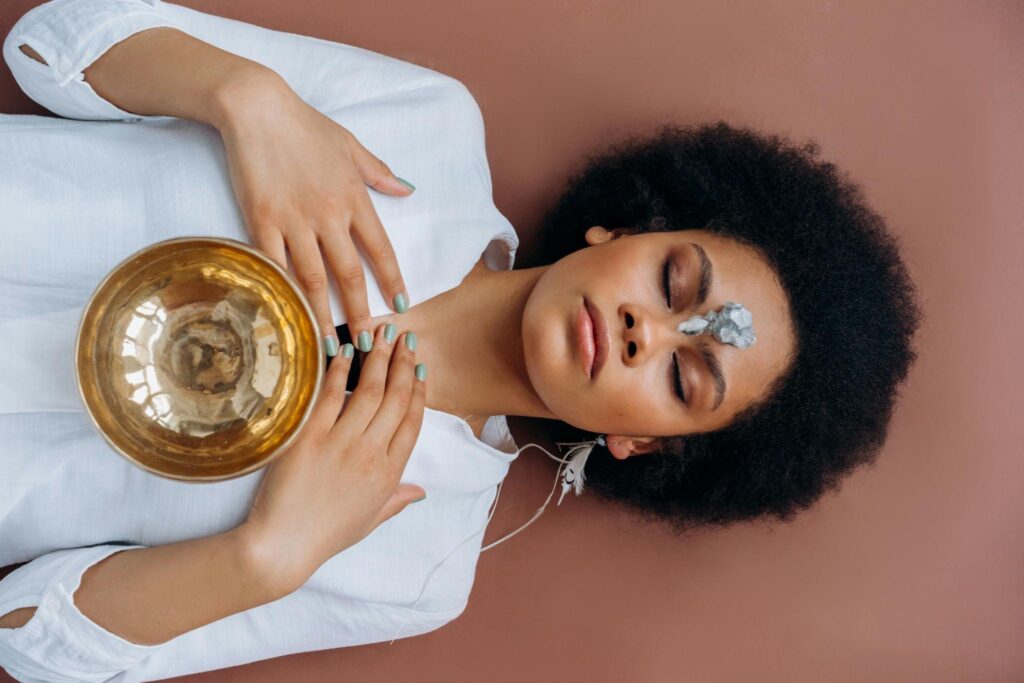
Self-care is no longer a buzzword.
Millions of people do it every day to feel better, sleep deeper and stress less. And these days more and more people are swapping pills for plants.
Botanical treatments (herbal teas, essential oils, adaptogens, dry herb flower, etc.) are fast becoming mainstream consumer habits worldwide.
Let’s dive in…
Here’s what we’ll cover:
- Why Self-Care Has Gone Botanical
- What Raw Cannabis Flower Actually Does
- Building A Holistic Routine Around Plants
- Tips For Adding Botanicals Safely
Why Self-Care Has Gone Botanical
People are stressed. Big time.
New research shows that 60% of consumers in the U.S. are now working to reduce stress in an effort to take care of their wellness. 60%! That should tell you all you need to know about the self-care trend.
But here’s the thing…
Individuals are weary of fast fixes. They desire methods that provide sustainable results with time. Botanical remedies have been seen as the way to go because they allow you to get healthy at a slower pace.
Botanical therapies include things like:
- Herbal teas (chamomile, ashwagandha, lemon balm)
- Essential oils (lavender, eucalyptus, peppermint)
- Adaptogens (rhodiola, holy basil, reishi)
- Cannabis-based products (flower, tinctures, topicals)
The numbers show this to be true. Marijuana use is trending up drastically. In fact, 44.3 million Americans report monthly marijuana use in 2024. Most are also not using it to get high…they’re using it to cope with daily stress and sleep.
Those interested in the cannabis aspect can try products such as premium THC flower. This has been a favourite amongst individuals curating a natural self-care regimen. Raw cannabis flower is popular as it can be consumed via various methods and provides a more “earthy” feel.
Pretty cool, right?
What Raw Cannabis Flower Actually Does
Let’s break it down…
Raw cannabis flower is simply the bud of the cannabis plant. It’s cannabis that has not been processed into oils, edibles, concentrates, etc. — it’s just the actual plant itself. Which means it’s one of the most “whole-plant” methods of consumption.
The benefits people report most often include:
- Reduced stress and anxiety
- Better sleep quality
- Pain relief
- Improved mood
- A general sense of calm
And these numbers aren’t pulled out of thin air. 64% of medical cannabis patients say they use it for pain management, 50% for anxiety, and 34% for depression according to this industry report. Those aren’t party numbers. Those are wellness numbers.
Here’s why it works so well in self-care:
Raw cannabis flower is comprised of cannabinoids, terpenes, and a host of other compounds that interact with each other. This phenomenon is known as the “entourage effect” and essentially explains why whole flower often feels smoother than isolated compounds.
It’s like comparing an orange to vitamin C supplements. Sure both are great — but one comes with fiber, antioxidants and more working together.
That’s the same idea with raw cannabis flower.
Building A Holistic Routine Around Plants
Now to the fun part — actually putting this into practice.
Creating a comprehensive self-care routine doesn’t mean replacing everything you use with plants. It means adding them where you can.
Here’s how to do it…
Morning: Set The Tone
Mornings are the perfect time for energising botanicals.
Begin each morning doing something that centers you. Whether that be sipping green tea with lemon, blasting your room with essential oils like peppermint for five minutes, or making yourself a mini adaptogen smoothie. Don’t jump right into your day with a triple-shot espresso.
Great morning botanicals:
- Green tea (gentle caffeine + L-theanine)
- Lemon balm tea (calming but not sleepy)
- Rhodiola supplements (great for focus)
Afternoon: Reset & Refocus
Got that 3pm slump? Same.
Enter breathing exercises, herbal tea and walks in nature. Taking a breather outside is one of the favorite forms of self-care for many people. Forty-three percent of Americans said they walk in nature to take care of themselves.
Just a 10-minute walk + a herbal tea can completely reset your energy.
Evening: Wind Down
Evenings are where raw cannabis flower really shines.
Many people enjoy a microdose before bed. It helps them unwind from the day, slow racing thoughts, and fall asleep. Pair it with other relaxing activities — taking a hot bath, writing in a journal, drinking some chamomile tea — and you have yourself a bedtime ritual.
A great wind-down stack looks like:
- Warm bath with magnesium salts
- Calming herbal tea
- Light cannabis use (if you choose)
- Phone off + book in hand
Simple, slow, and effective.
Tips For Adding Botanicals Safely
Before you start, there are a few things to keep in mind.
Natural therapies are potent. That’s a good thing. But it also means you have to know what you’re doing.
Here are the top tips:
- Start low and slow: Take the lowest dose possible. You can always increase it later, but you can’t decrease what’s already in your system.
- Consult your physician: If you take medications or have any medical issues, consult your doctor.
- Ask questions: Not all botanicals are created equal. Only purchase products from companies that quality test their formulas for purity and potency.
- Monitor your mood: Keep a basic journal of what you took, when you took it, and how you felt. This allows you to determine what truly works for YOU.
- Patience: Botanicals take time to work. Allow any routine at least 2-3 weeks before you decide.
One more thing…
Self-care isn’t supposed to cost a lot or be complicated. Botanical therapies are meant to be traditional and accessible. Tea is great if you take the time to enjoy a cup.
Final Thoughts
Botanical therapies are a beautiful addition to any self-care routine.
They allow you to stress less, sleep better, and feel more connected to yourself naturally. Whether its herbal teas or raw cannabis flower before bed, just make it a routine — don’t worry about being perfect.
To recap:
- Self-care is going botanical for a reason — people want real, lasting wellness
- Raw cannabis flower offers whole-plant benefits that are hard to beat
- Build your routine in layers (morning, afternoon, evening)
- Start small, stay consistent, and listen to your body
The ideal routine is the routine that you will follow. Try out one or two of these ideas and actually commit to them. Then notice how you feel after several weeks.